Wood ear
Auricularia corneasyn. Auricularia polytricha
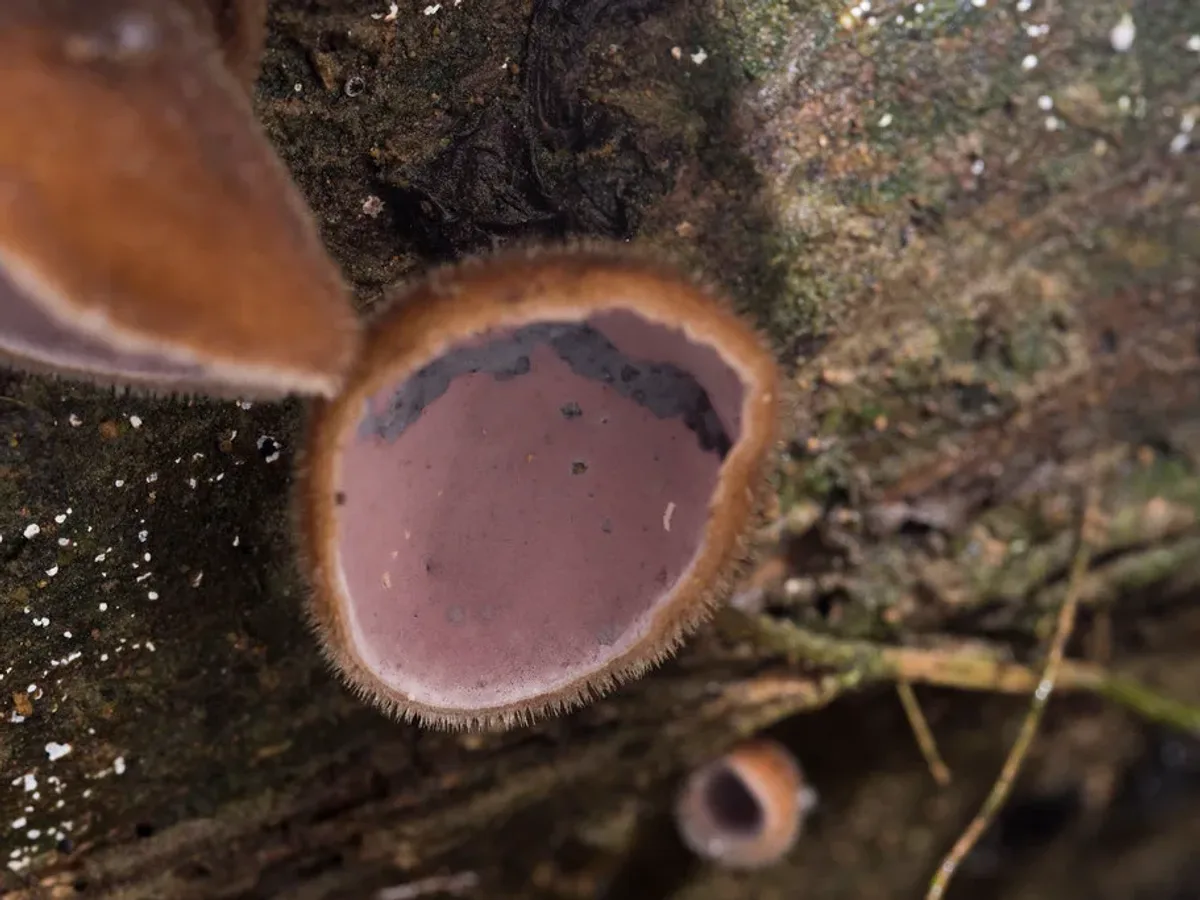 © papilioshih (CC BY 2.0)
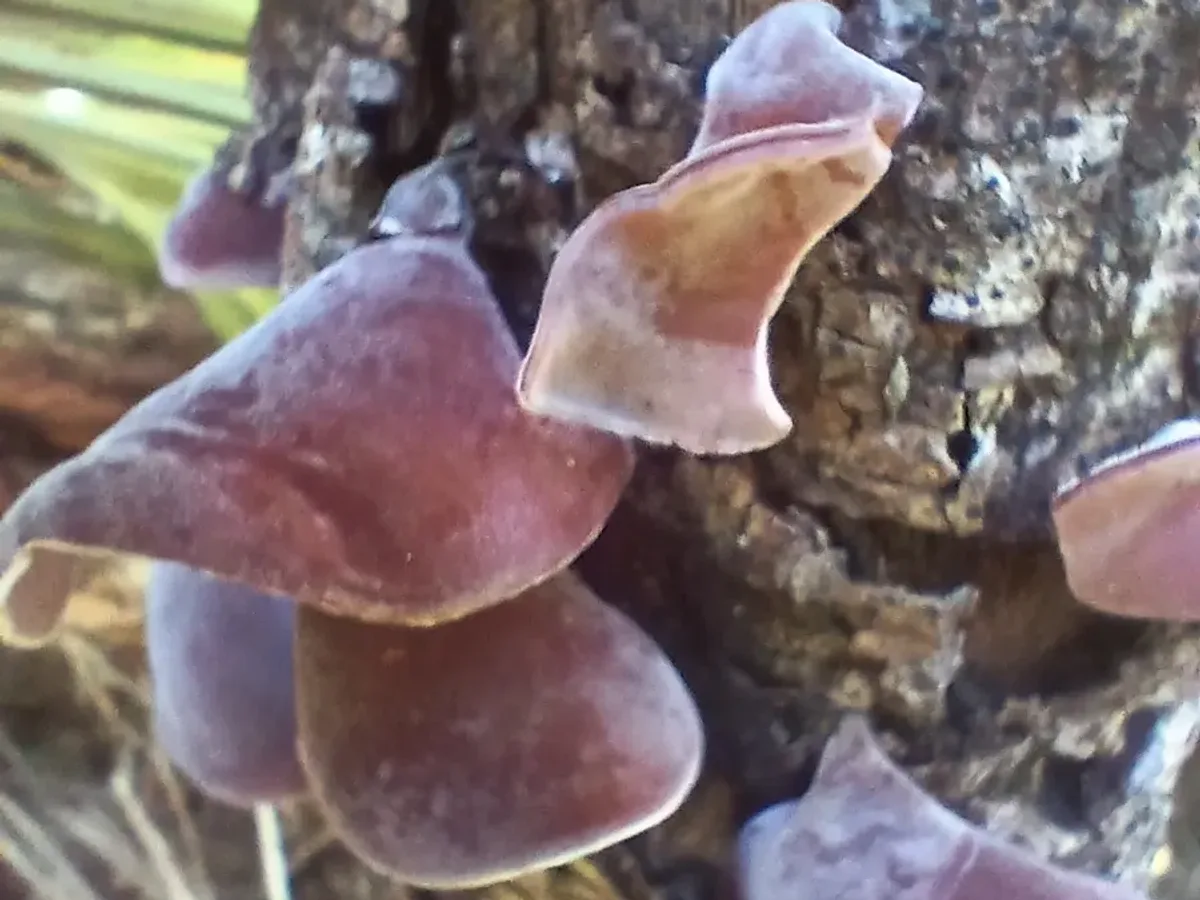 Matt H (CC0)
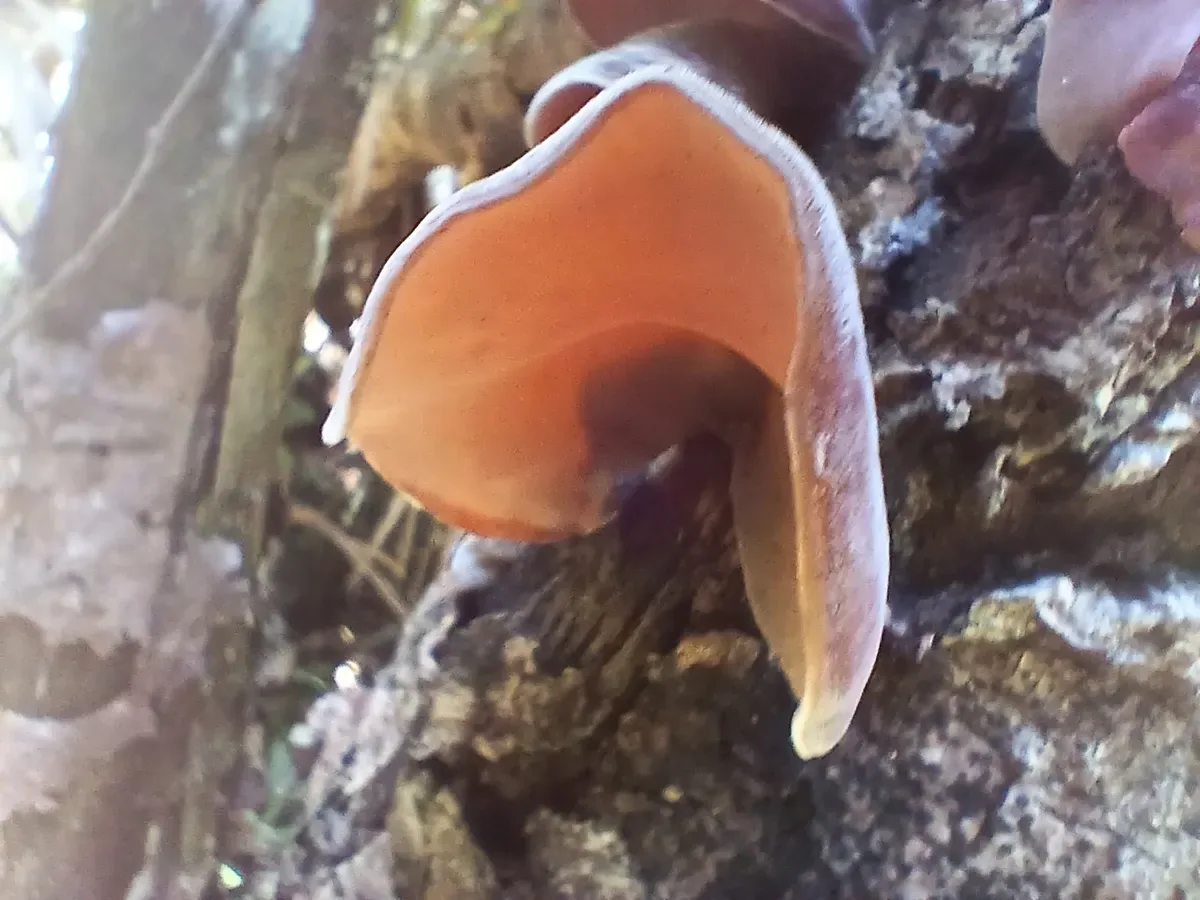 Matt H (CC0)
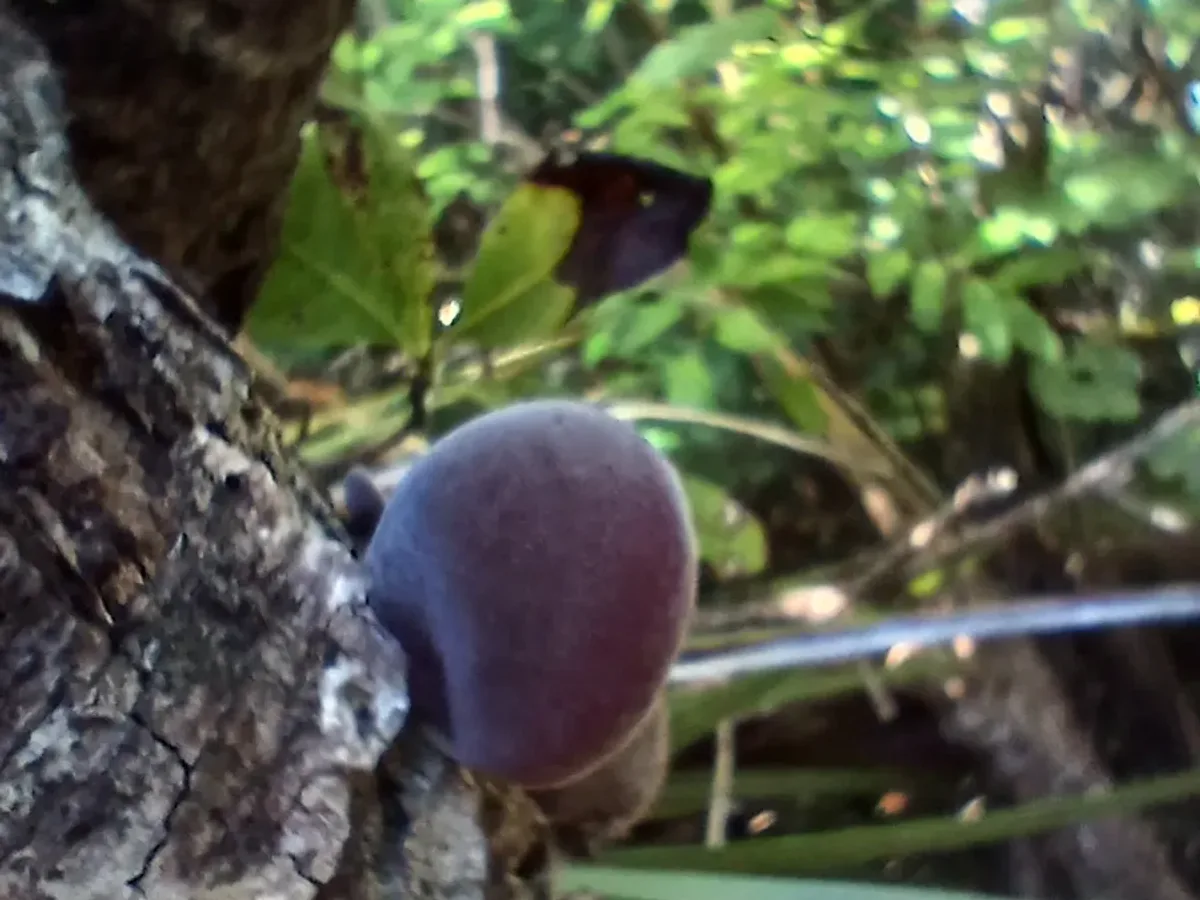 Matt H (CC0)
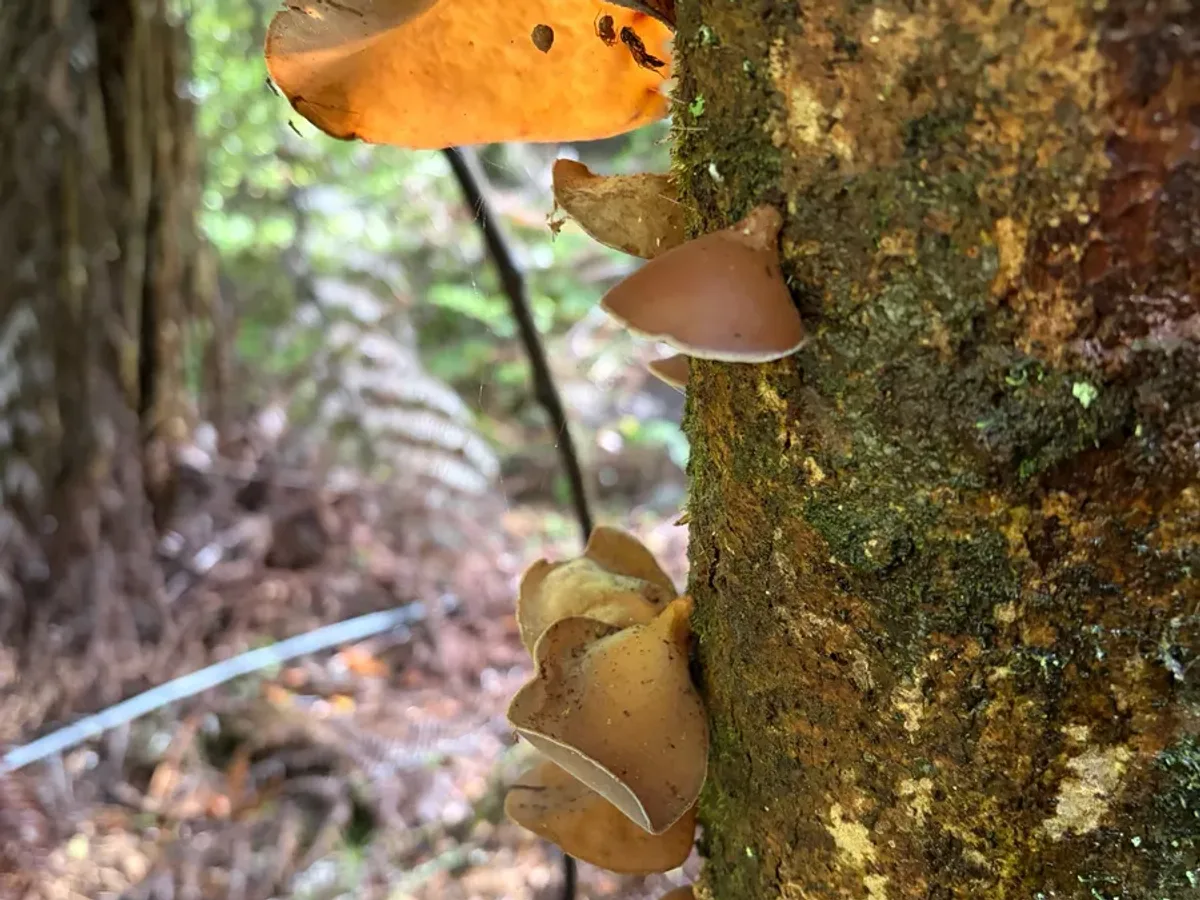 Kylie Crump (CC0)
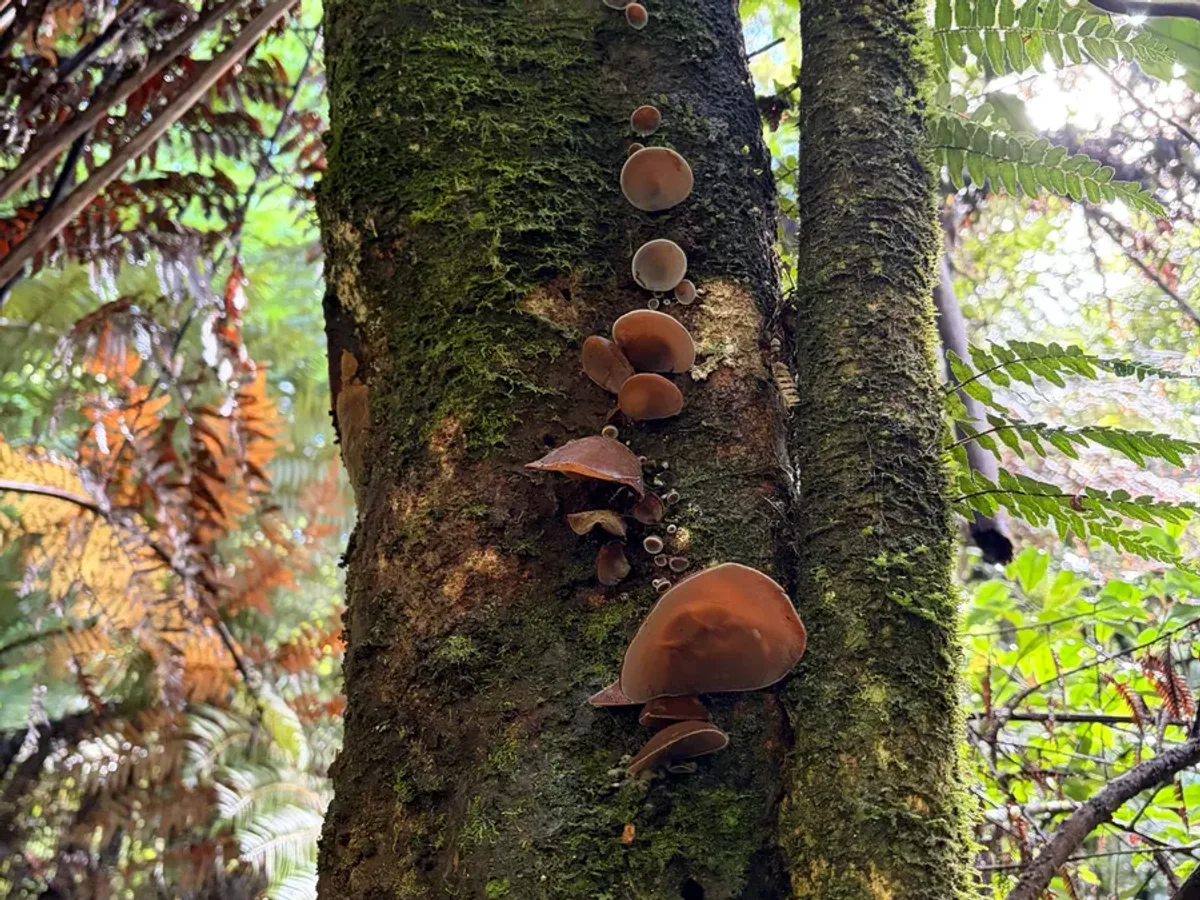 Kylie Crump (CC0)
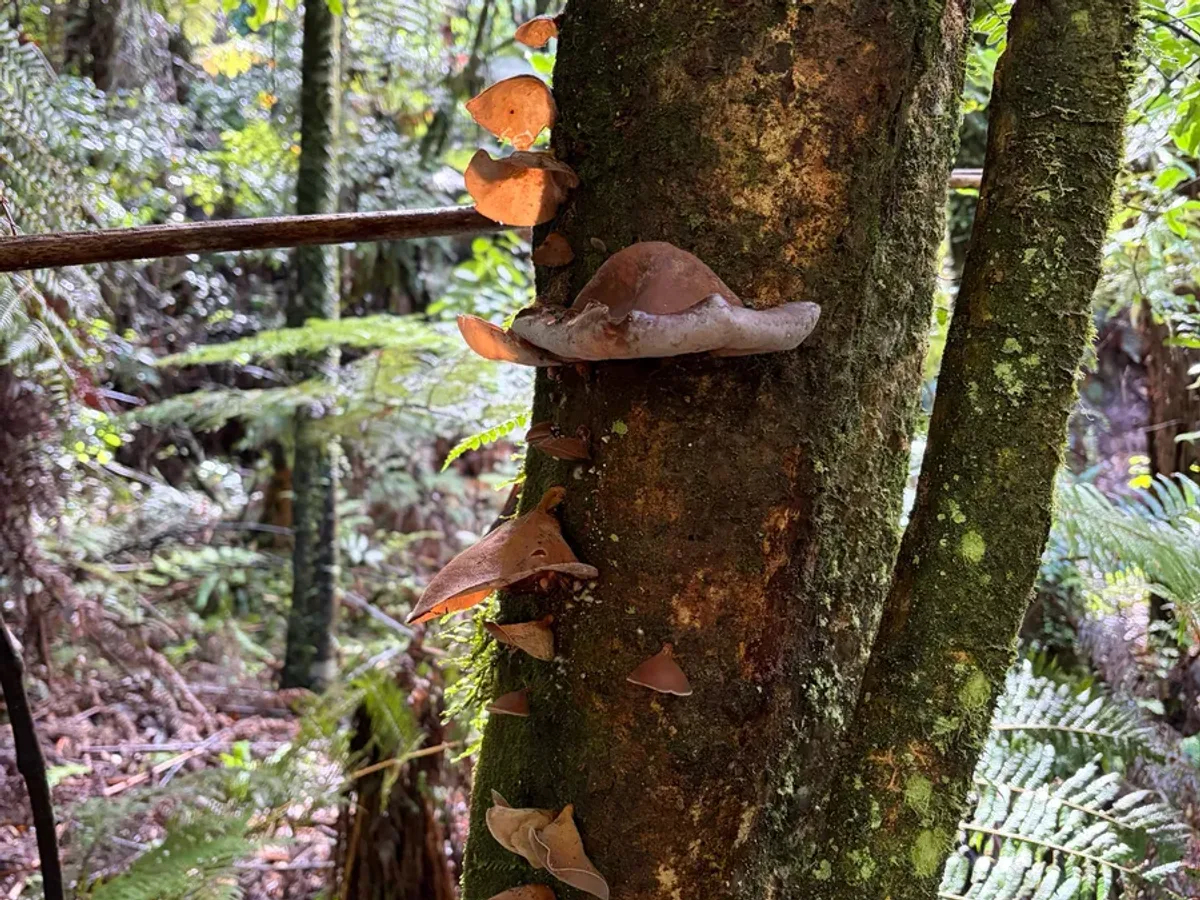 Kylie Crump (CC0)
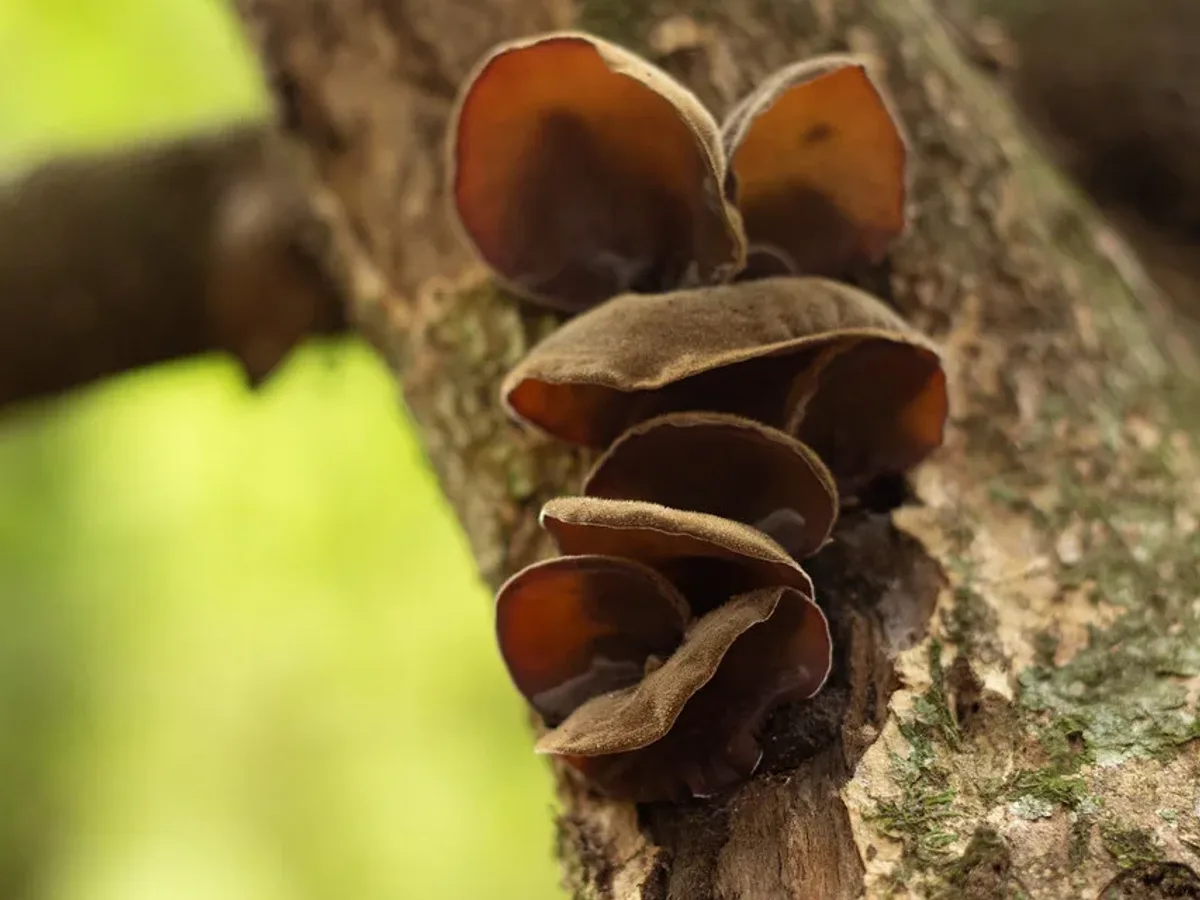 © denis.zabin (CC BY 2.0)
 © denis.zabin (CC BY 2.0)
 © papilioshih (CC BY 2.0)
 © papilioshih (CC BY 2.0)
 © papilioshih (CC BY 2.0)© papilioshih (CC BY 2.0)Matt H (CC0)
Good to eat, once you have identified it with certainty and cooked it through.
How to recognise it
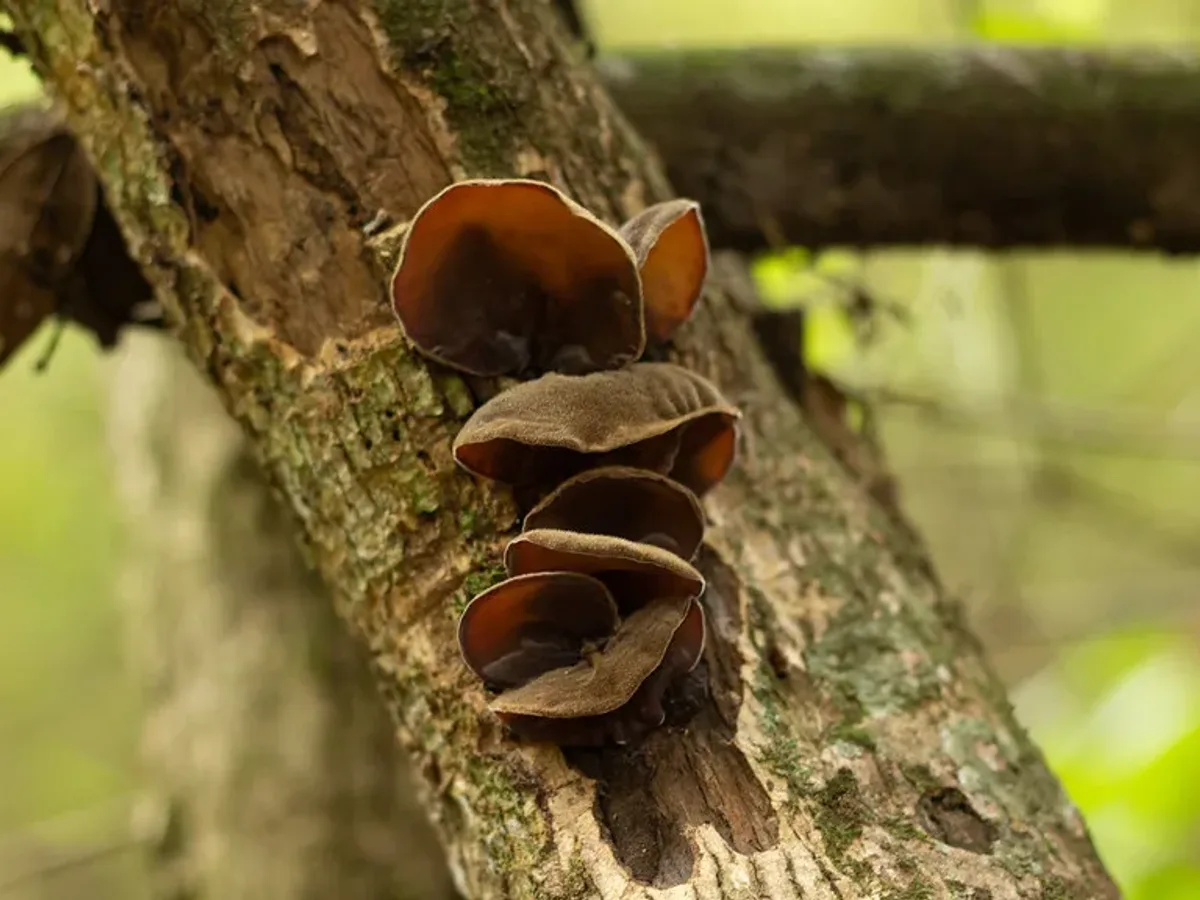
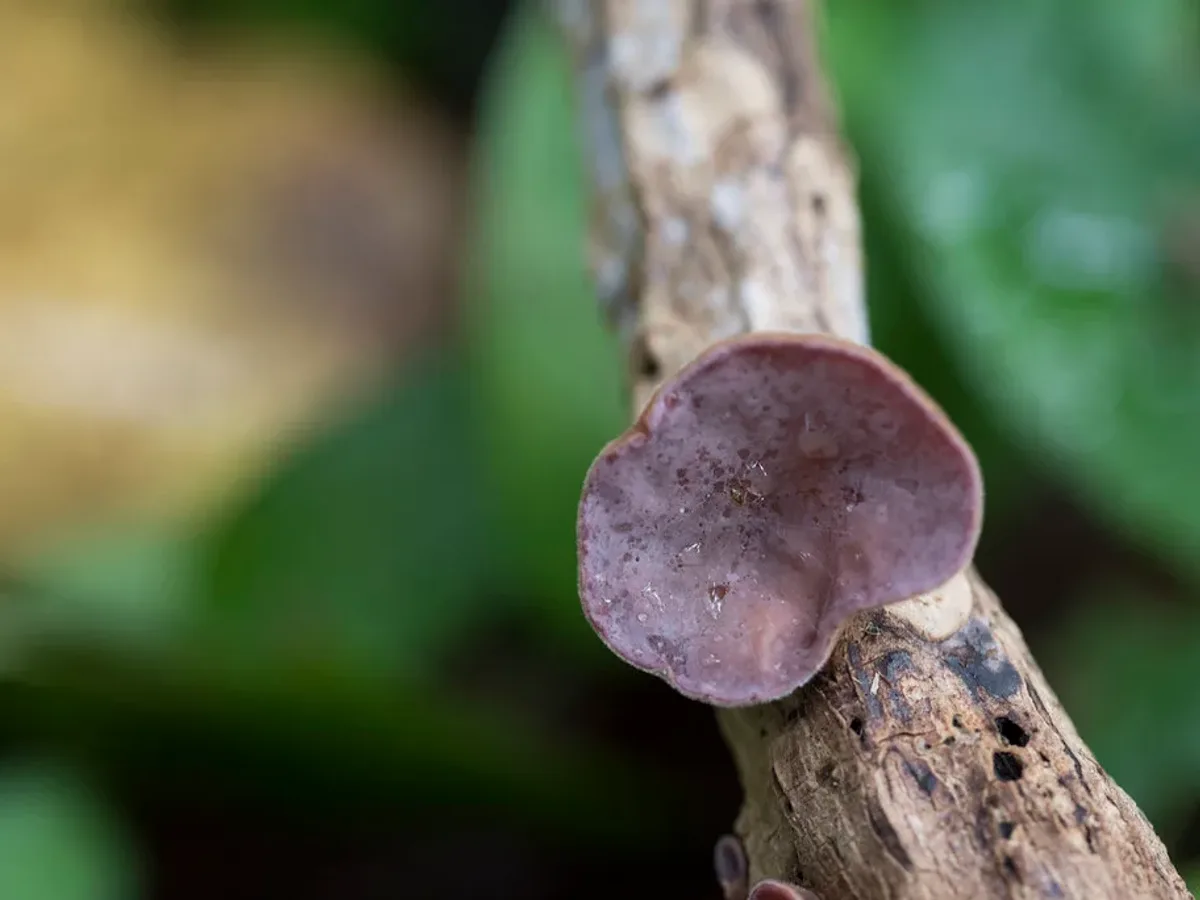
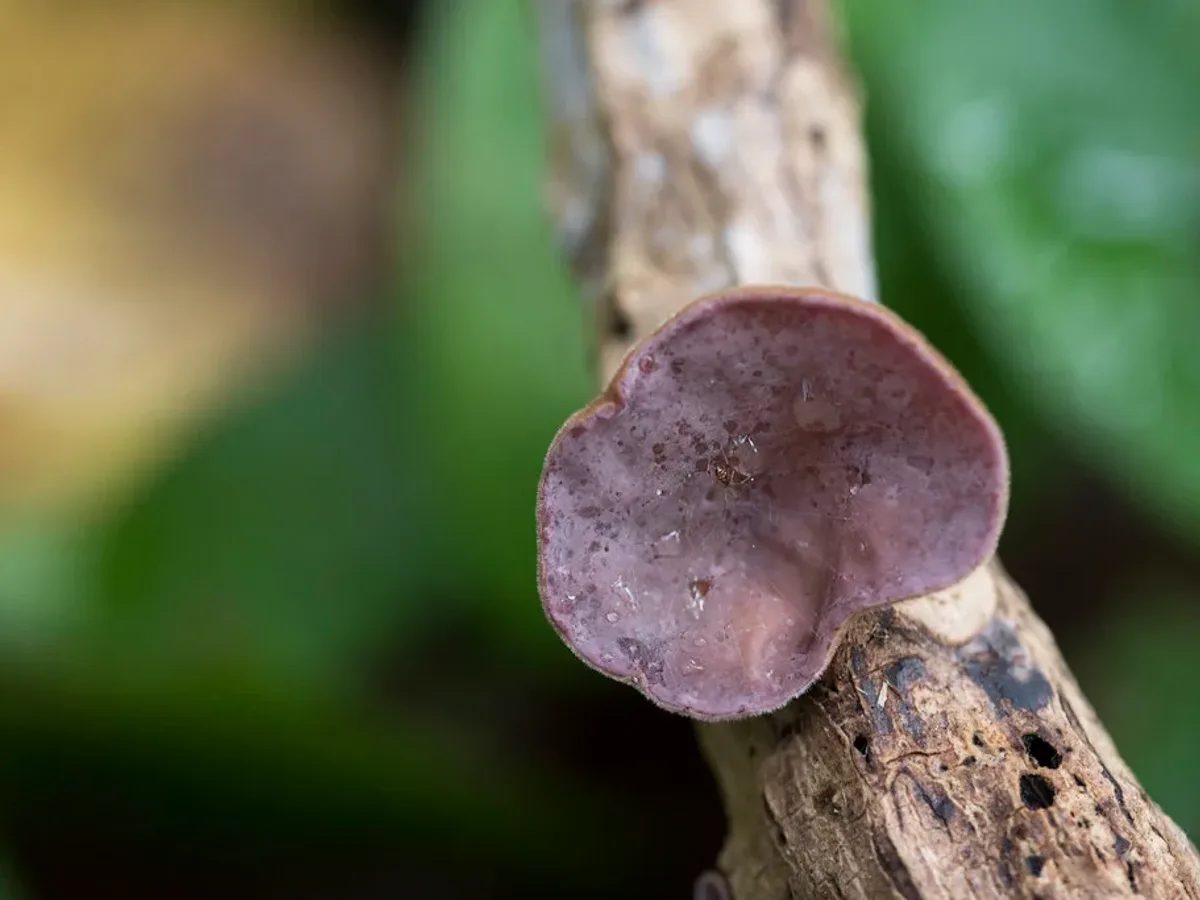
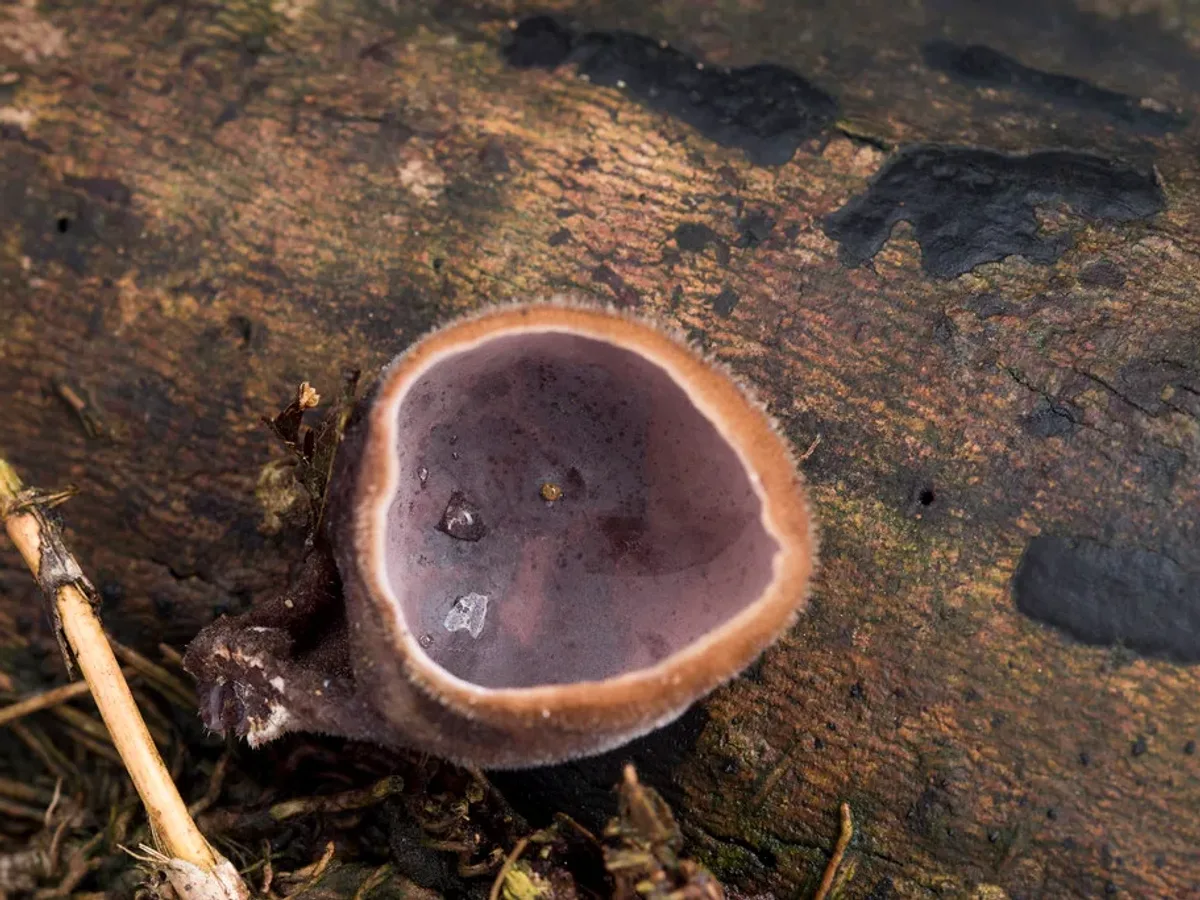
Auricularia cornea presents as a softly lobed, gelatinous bracket shaped unmistakably like a cupped human ear, measuring 2-9 cm across when fully hydrated. There is no stem; the fruitbody attaches to its host wood directly at a narrow, lateral point, often in small clusters or overlapping tiers.
Cap
The outer (upper) surface is warm brown to red-brown in fresh specimens, aging toward blue-grey or greyish-brown as the fruitbody matures. Under magnification this outer surface reveals a dense mat of fine, stiff hairs - a key distinguishing feature from the closely related Auricularia auricula-judae, which bears shorter, sparser hairs.
Gills / Pores
The inner (lower) spore-bearing surface - the hymenium - is entirely smooth, lacking gills, pores, or any other structural features. Spores are produced directly from this exposed surface.
Flesh
The flesh throughout is pure gelatinous jelly when moist: slippery on the outer surface, with a distinctly firm, cartilaginous resistance toward the centre.
Perhaps the most striking biological trait of this fungus is its reversible desiccation. In dry periods, live fruitbodies lose virtually all moisture and contract to hard, dark, wrinkled chips that are barely recognisable as fungi.
No damage occurs to the tissue - the cell walls are built to tolerate this. Add water, and within an hour or two the bracket re-inflates to its full living form, colour and elasticity restored. Dried weight is roughly one-tenth of fresh weight.
Smell & taste
Flavour is mild to neutral with a faint earthiness; the culinary interest is almost entirely textural.
Where & when it grows
Habitat
Auricularia cornea is a wood-decay saprotrophic fungus, meaning its mycelium digests dead or dying plant tissue - it forms no relationship with living tree roots and is not mycorrhizal.
In New Zealand it grows preferentially on the dead wood and dead branch tissue of native hardwood trees, most frequently recorded on:
- tawa (Beilschmiedia tawa)
- mahoe (Melicytus ramiflorus)
- pukatea (Laurelia novae-zelandiae)
- karaka (Corynocarpus laevigatus)
These are all canopy and sub-canopy species of lowland and coastal rainforest.
The fungus favours areas of reliable, high rainfall - the West Coast of the South Island and Taranaki on the North Island are classic locations - because its gelatinous fruitbodies require persistent moisture to develop. It appears on both fallen logs and standing dead wood, as well as on the dead lower limbs of otherwise healthy trees.
The underlying mycelium penetrates the sapwood and outer heartwood and can persist in a single log for years, sending up successive crops whenever rain and temperature are right.
Because it is a decomposer, hakeke plays a genuine ecological role: each fruitbody represents mycelium at work, progressively softening and breaking down cellulose and lignin, returning nutrients to the forest floor. In this sense the visible fungus is only a small announcement of a larger, hidden process already well advanced inside the wood.
When
In the Southern Hemisphere, Auricularia cornea fruits across spring, summer, and autumn - approximately September through May - with the widest flushes typically occurring in warmer, wetter months.
The single most important trigger is rainfall. Fruitbodies that have dried down to hard chips on standing deadwood can swell and become biologically active again within one to two days of adequate rain, and entirely new fruitbodies can emerge from previously invisible hyphal mats within two to seven days of a meaningful rainfall event (roughly 20 mm or more over a two-week period).
Soil temperature also matters: development is negligible below about 10 °C and slows markedly above 28 °C. This means the peak flush window in New Zealand is roughly October through April, coinciding with both warmer soil and the higher-rainfall events of the oceanic climate.
In the wettest parts of the West Coast, where moisture is more or less continuous and temperatures rarely fall below threshold, fruitbodies can be found in almost any month. Conversely, in drier eastern areas the fungus may be entirely absent from view for months, only to reappear conspicuously after the first significant autumn rain.
The responsiveness to rain is so reliable that experienced foragers watch weather data as much as calendar dates: a steady two-week wet spell in late summer or autumn is often a more dependable predictor of a good harvest than the month alone.
How it grows
The mycelium of Auricularia cornea is a white-rot decomposer - it degrades both lignin and cellulose in dead hardwood, leaving the wood progressively pale, soft, and fibrous. The hyphae spread through the sapwood in a branching three-dimensional network that can colonise a single fallen log or standing snag over a period of years.
Fruitbodies initiate as tiny gelatinous knobs on the wood surface, typically at points where the bark has split or been abraded. Once conditions permit they grow rapidly, reaching mature size in a few days under ideal warmth and moisture.
A single mycelial colony can produce multiple flushes from the same wood over successive seasons. So a log that carried hakeke one spring is a reliable candidate the following spring, provided the wood is not yet fully decomposed.
The spores are smooth, cylindrical, and allantoid (slightly curved) - typical of the genus Auricularia - and are produced in the millions from the smooth inner surface of each bracket. They are dispersed passively by air currents and rain splash.
Because the fruitbodies are themselves largely water, their growth rate is almost directly tied to available moisture. In a genuinely wet week following warm conditions, a colony can produce a visible, harvestable bracket in under a week from initiation.
Fruiting conditions
A wood-decay jelly fungus that responds to rain by swelling and producing fruit bodies; fruits across the warmer half of the year.
Look-alikes
Auricularia cornea is one of the more straightforward species to identify: the combination of gelatinous texture, ear shape, wood substrate, hairy outer surface, and smooth spore-bearing inner surface is shared by only a small number of closely related species, none of which are toxic.
The most similar species in Australasia is Auricularia auricula-judae (the classic European wood ear or jelly ear), which is also edible and essentially identical in culinary use. The key separation between the two is the hairiness of the outer surface: A. cornea carries distinctly longer, coarser, more visible hairs; A. auricula-judae has shorter, finer hairs that may appear almost smooth to the naked eye.
In practice this distinction matters little to the forager since both are edible and interchangeable, but it is worth knowing when reporting finds or contributing to citizen-science records.
No dangerous Australian or New Zealand species shares the full combination of gelatinous flesh, bracket form, wood substrate, and absence of gills or pores.
Witch's butter (Tremella mesenterica) and similar jelly fungi grow on wood and are gelatinous but are bright yellow-orange, lobed, and brain-like rather than ear-shaped. True bracket fungi (polypores) grow on wood in bracket form but are firm, corky, or leathery - never jelly-soft - and have distinct pores on the underside.
If a bracket on wood is firm enough to hold its shape without water, it is not Auricularia.
The guide notes few dangerous look-alikes - the gelatinous ear shape on wood is distinctive.
In the kitchen
Picking & cleaning
Auricularia cornea is best harvested at the fresh, fully hydrated stage - when the bracket is soft, pliable, and a healthy brown to red-brown colour. A sharp knife or thumbnail is sufficient to detach the bracket cleanly at its attachment point; leaving a small stub avoids disturbing the mycelium unnecessarily.
Fruitbodies that have already dried on the wood are still worth collecting: because the tissue revives fully on rehydration, a dry chip harvested from a dead branch is as useful as a fresh one.
Harvest only from wood you are confident is native hardwood (tawa, mahoe, pukatea, karaka are the classic hosts). Avoid any fruitbodies growing from wood that smells strongly of chemical treatment, paint, or rot with an unusual colour, as these may indicate the tree was treated with preservatives.
There is no practical risk of confusing hakeke with anything toxic once you have confirmed the diagnostic combination - gelatinous, ear-shaped, growing on wood, no gills, no stem, hairy outer surface - but inspecting the underside is good habit.
For home drying, spread harvested brackets in a single layer in a warm, ventilated spot; they will contract to chips in a day and can be stored in an airtight container for months. To rehydrate, soak in cold or room-temperature water for 20-30 minutes, then drain and pat dry before cooking.
Cooking
Hakeke is a dual-texture ingredient: the outer surface is slippery and almost frictionless when cooked; the interior retains a firm, satisfying crunch even after prolonged heat. This combination - soft outside, crunchy inside - is the main reason Auricularia species are prized across East Asian cuisines and is entirely absent from most other culinary fungi.
In Maori cooking, hakeke was steamed in a hangi (earth oven) or umu alongside puha (sow thistle, Sonchus oleraceus) and root vegetables; the earthy, mild flavour blended easily with the greens and absorbed the steam-cooking juices.
For everyday cooking, the most reliable approach with dried fruitbodies is:
- 1Rehydrate in cold water for 20-30 minutes (they triple to quadruple in volume).
- 2Drain thoroughly.
- 3Trim away any tough attachment stubs.
- 4Slice or tear into strips.
Fresh fruitbodies can be used directly without soaking.
Hakeke absorbs surrounding flavours readily and benefits from bold seasoning - soy sauce, ginger, garlic, and sesame oil are the classic pairings in Chinese and Vietnamese cooking, where the fungus appears in hot-and-sour soups, stir-fried dishes with vegetables and tofu, and cold dressed salads. It does not break down or turn mushy with normal cooking times, making it forgiving in soups and braises.
One preparation note: because the outer surface is coated in fine hairs, very brief blanching (30 seconds in boiling water) before the main cook can improve the mouthfeel slightly by softening those hairs, though many cooks skip this step entirely.
The flavour remains mild regardless of cooking method; this is a textural ingredient first, and it benefits from pairing with other components that carry the primary taste.
Good to know
Auricularia cornea is a safe, widely eaten edible fungus with a long record of human consumption across Asia and the Pacific, including New Zealand where it was harvested by Maori for centuries. No significant toxicity has been documented.
In traditional Maori medicine, hakeke was reportedly administered to people recovering from poisoning by karaka berries (Corynocarpus laevigatus) or tutu (Coriaria arborea) - both of which cause serious neurological poisoning - and the fruitbodies were considered restorative, though the mechanism behind this use is not established by modern research.
A minor pharmacological note worth knowing: Auricularia species contain adenosine compounds that have demonstrated mild antiplatelet (blood-thinning) activity in laboratory and some human studies. This effect is not clinically significant for most people eating normal culinary quantities, but individuals taking anticoagulant medications (warfarin, heparin, direct oral anticoagulants) may wish to consume large quantities with awareness of this interaction.
The species is not known to accumulate heavy metals above background levels from typical forest substrates. No allergy is common, though as with any novel food, first-time consumers should try a small amount before eating a full serving.
A reference guide - never an edibility guarantee. When in doubt, leave it out.