Wood ear
Auricularia auricula-judaesyn. Auricularia polytricha, Pleurotus ostreatus, Pleurotus pulmonarius, Pleurotus tuber-regium, Lentinus tuber-regium
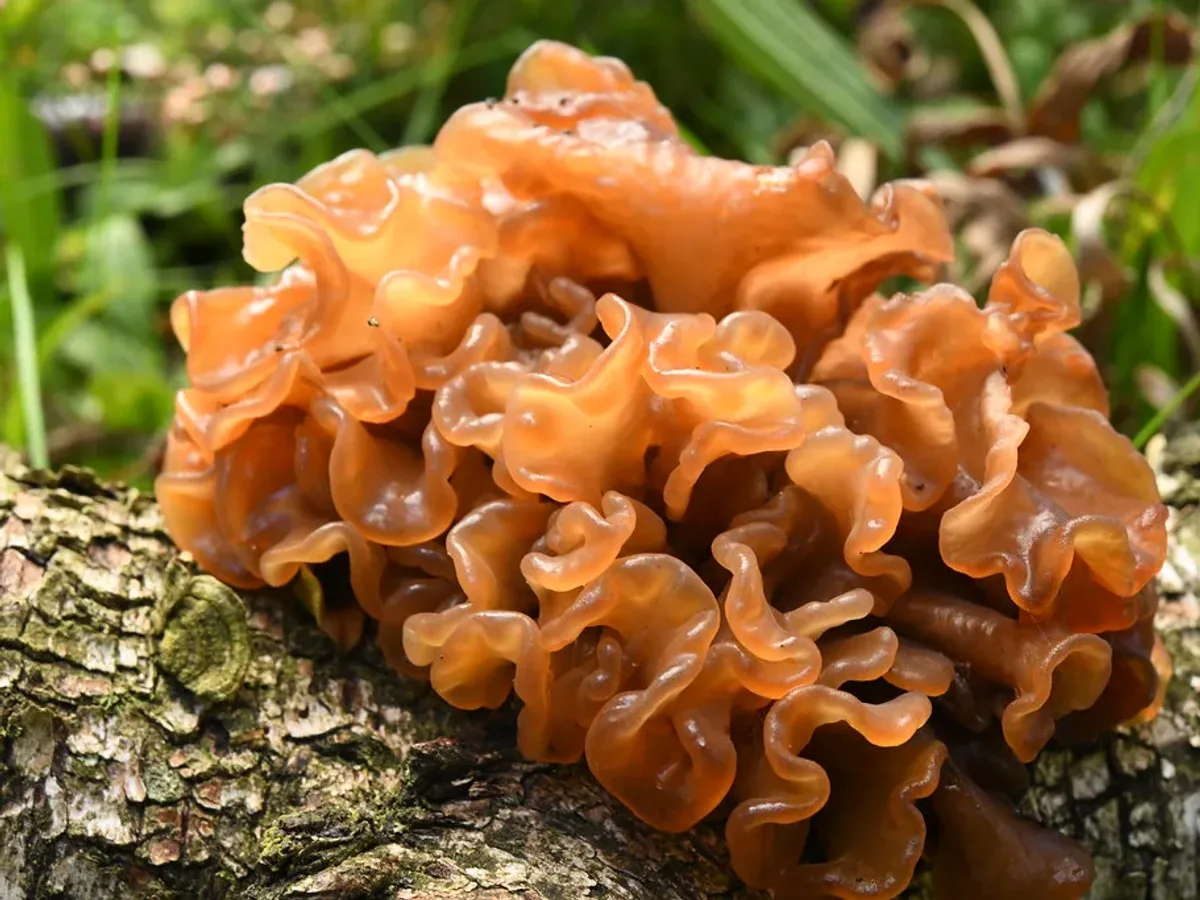 © Ephemeral Impressions (CC BY-SA 2.0)
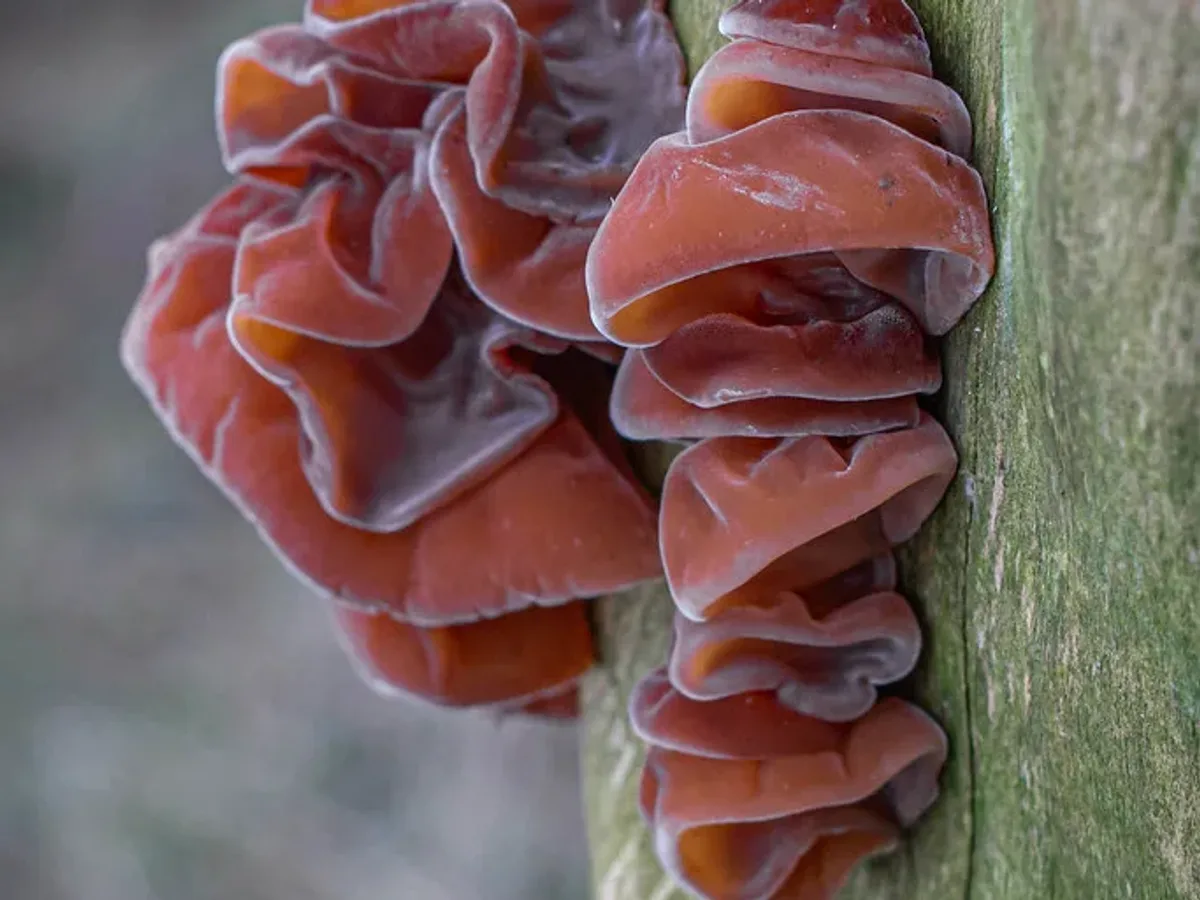 © Wolfgang Wollschweber (CC BY 2.0)
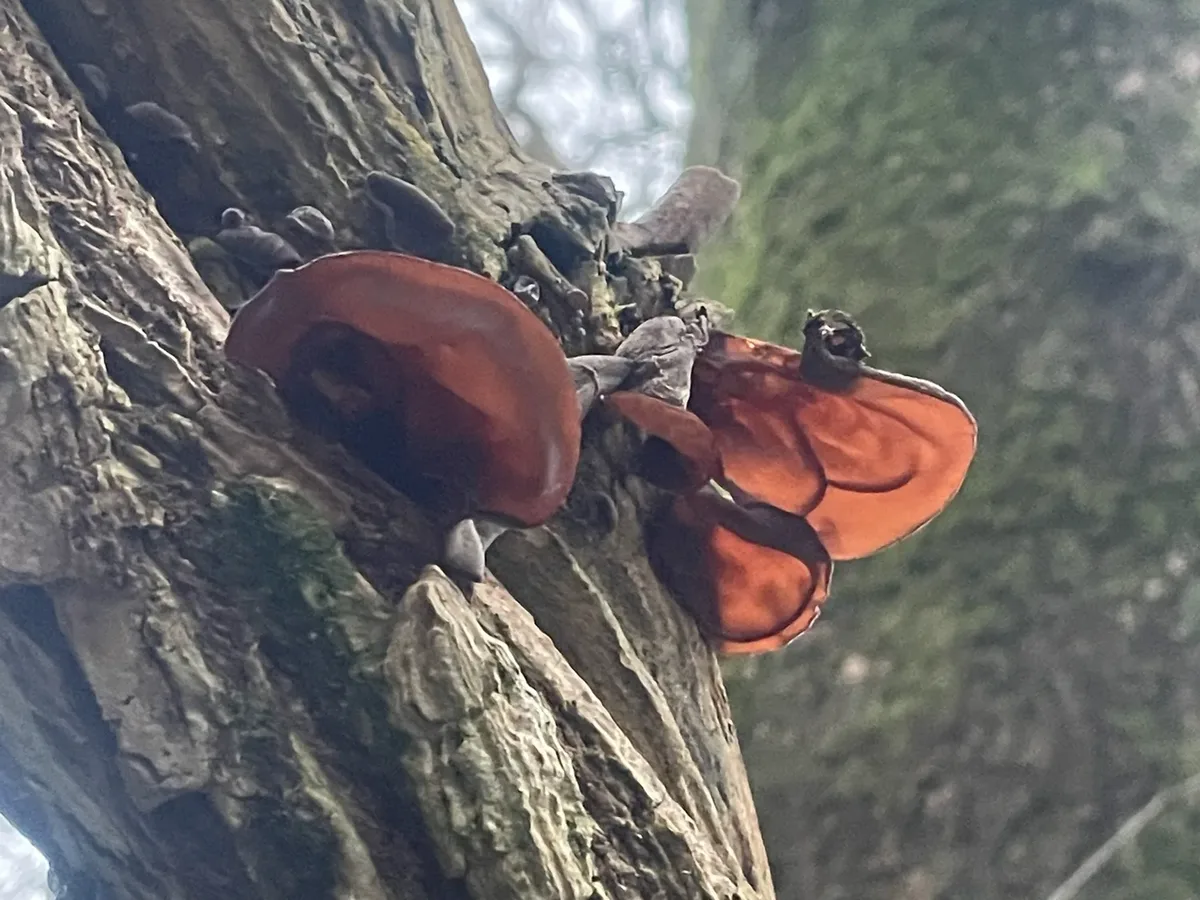 © fernium (CC BY)
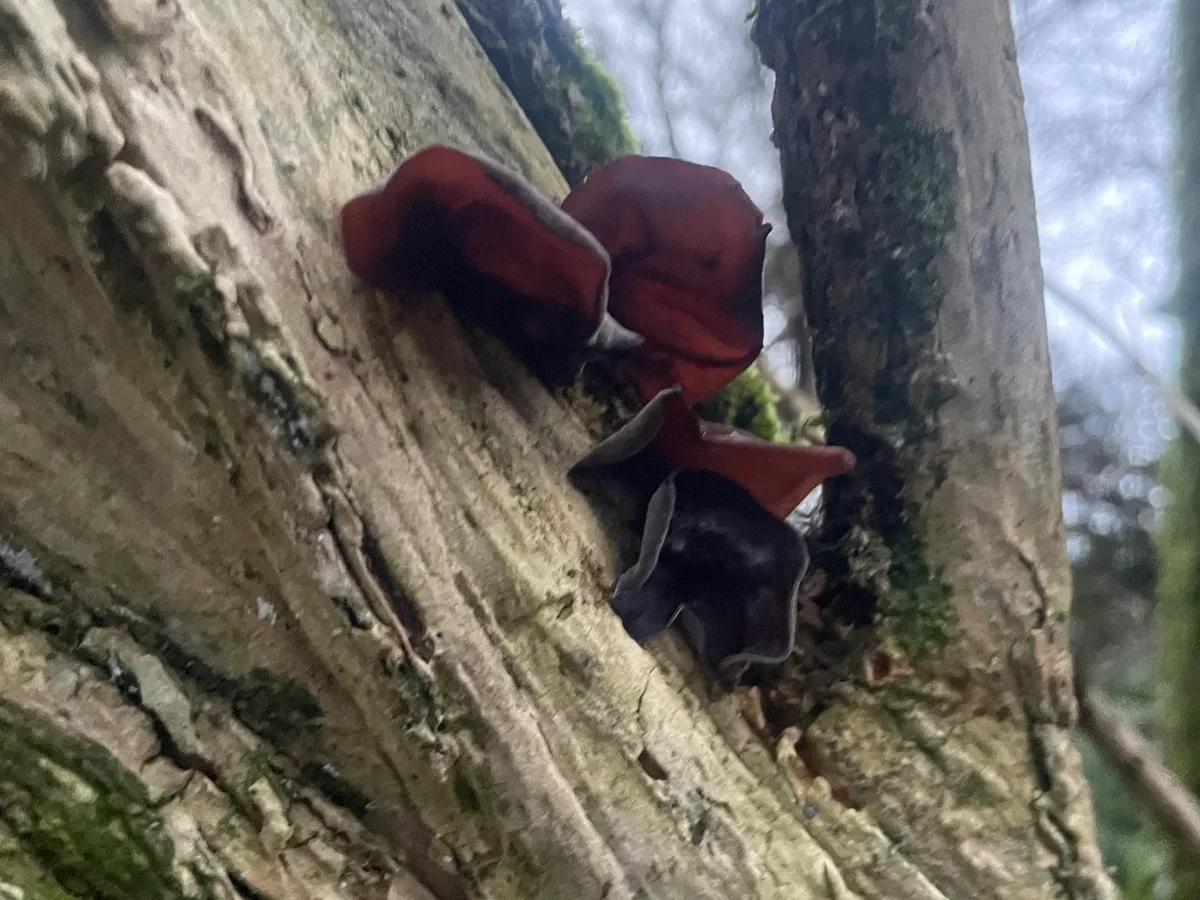 © fernium (CC BY)
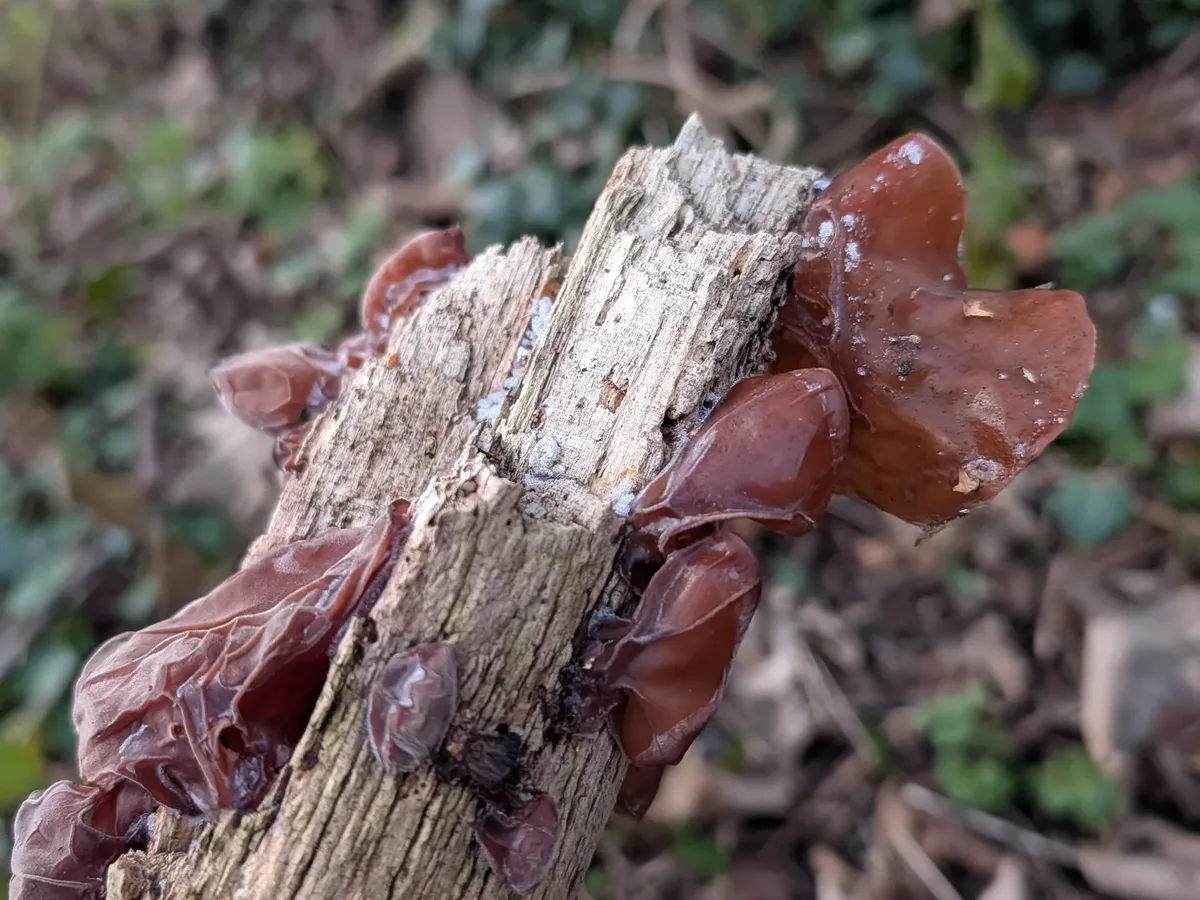 © Heather Alice-Grace Orchard (CC BY)
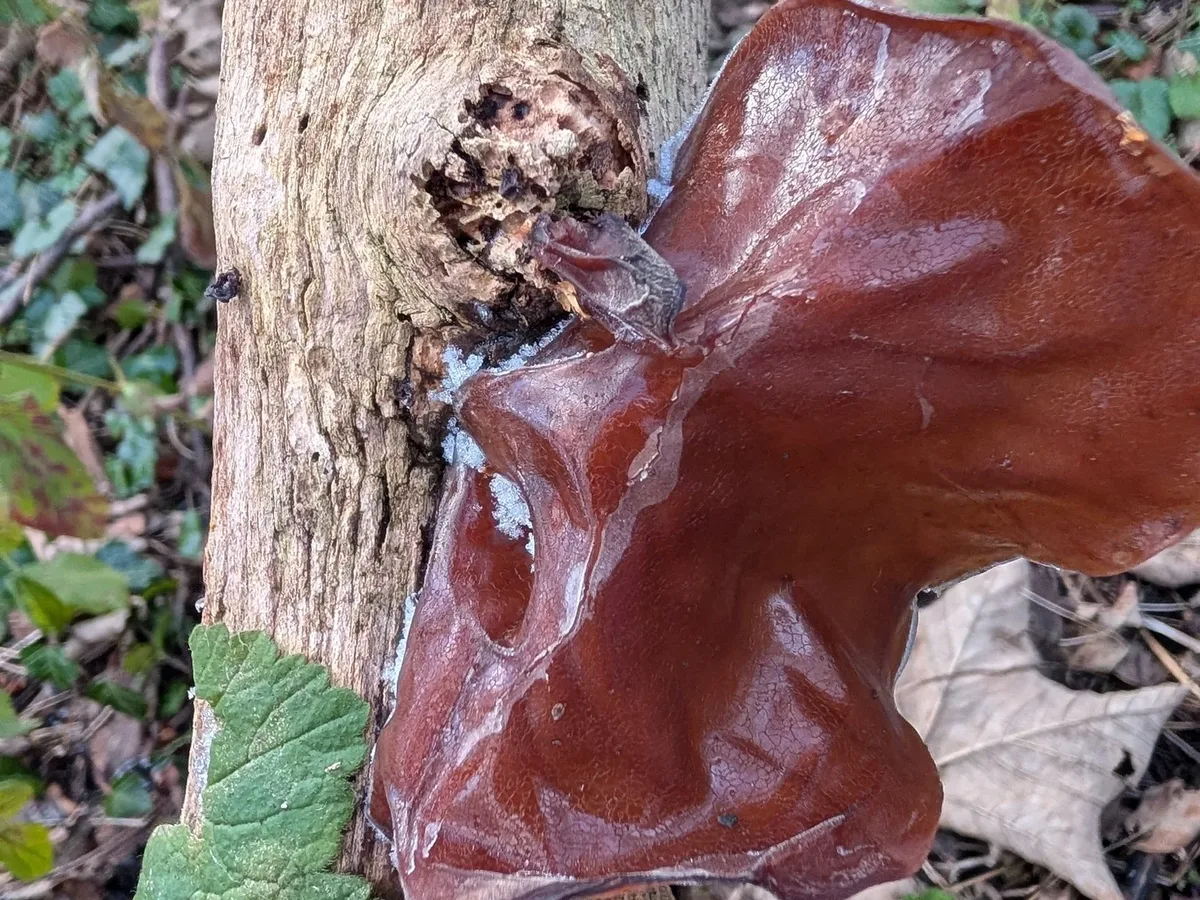 © Heather Alice-Grace Orchard (CC BY)
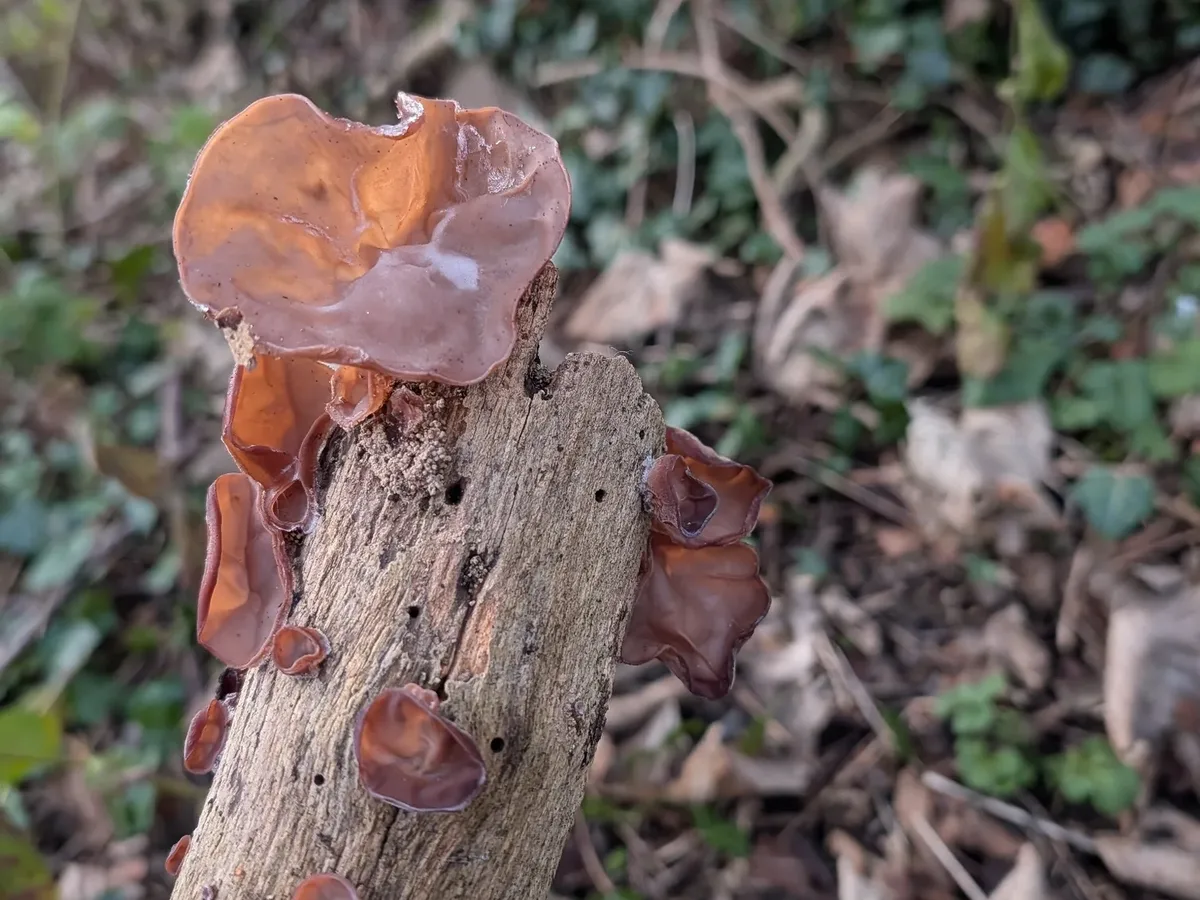 © Heather Alice-Grace Orchard (CC BY)
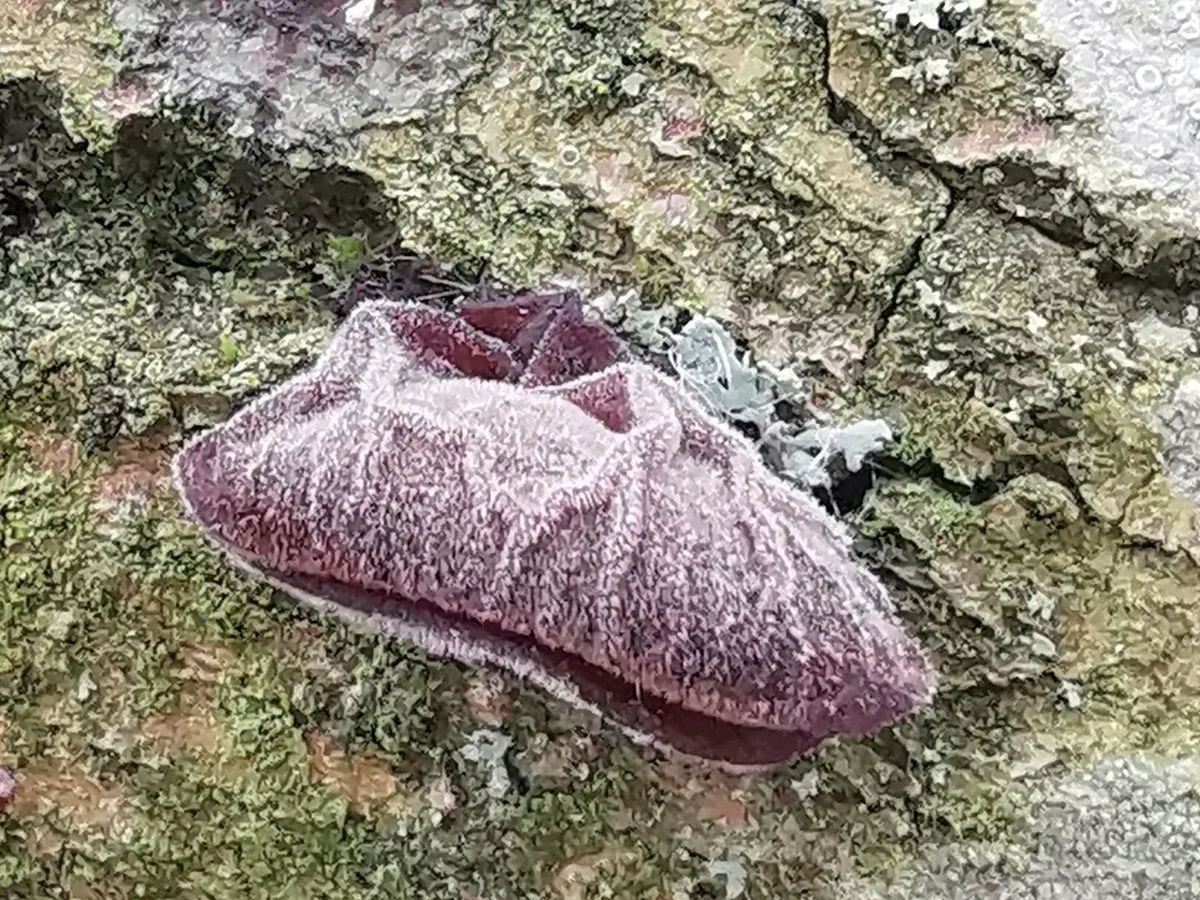 Jason Thompson (CC0)
 Jason Thompson (CC0)
 Jason Thompson (CC0)
 Jason Thompson (CC0)
 © Christoph Moning (CC BY)
 © gailhampshire (CC BY 2.0)
 © gailhampshire (CC BY 2.0)
 © gailhampshire (CC BY 2.0)© Ephemeral Impressions (CC BY-SA 2.0)© Wolfgang Wollschweber (CC BY 2.0)
Good to eat, once you have identified it with certainty and cooked it through.
How to recognise it
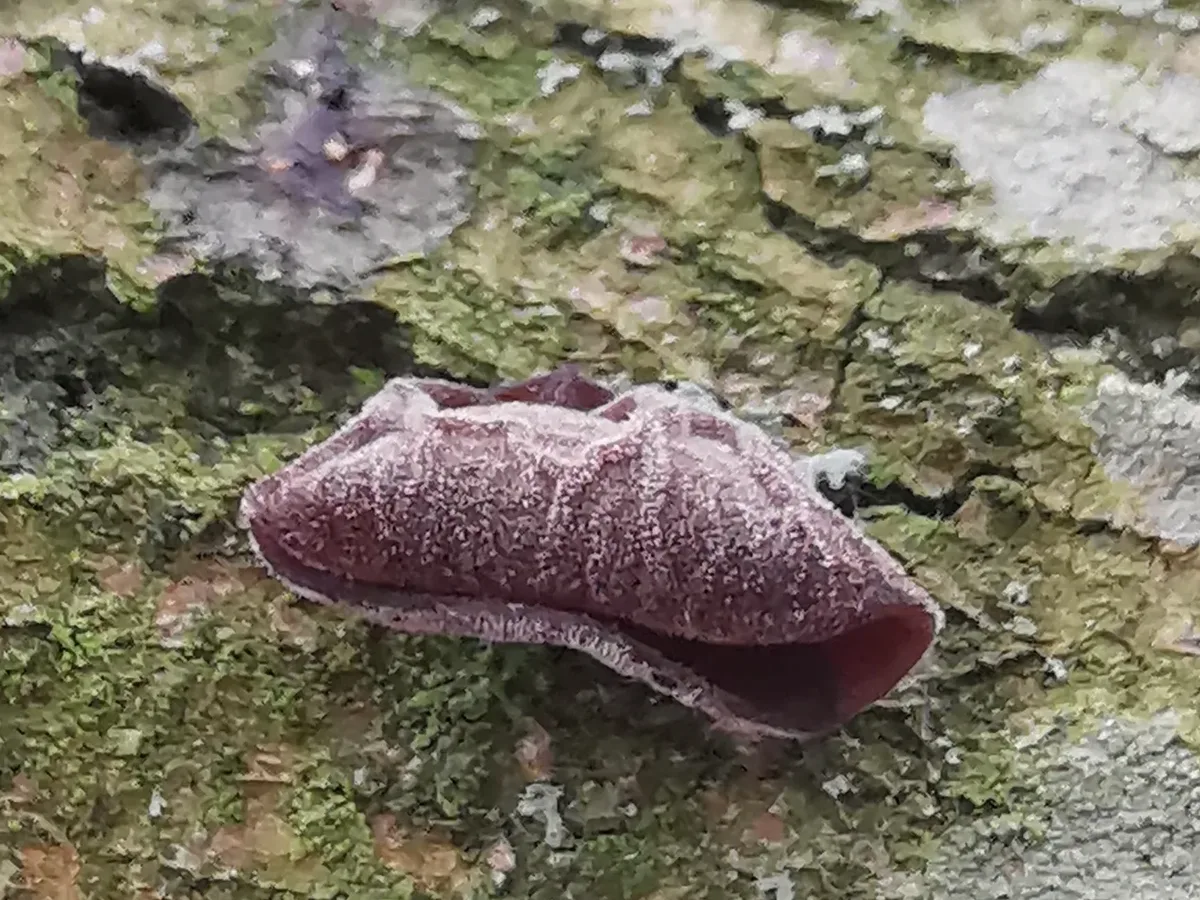
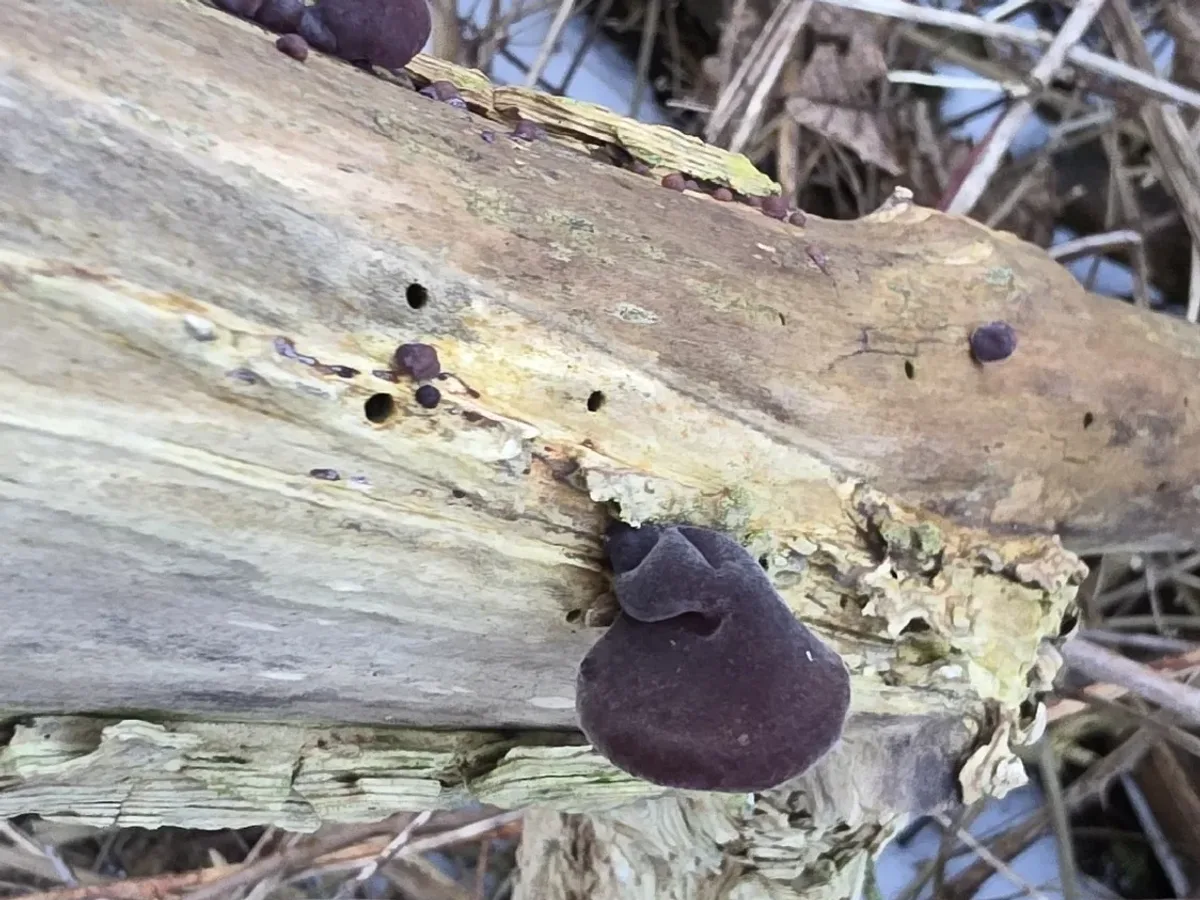
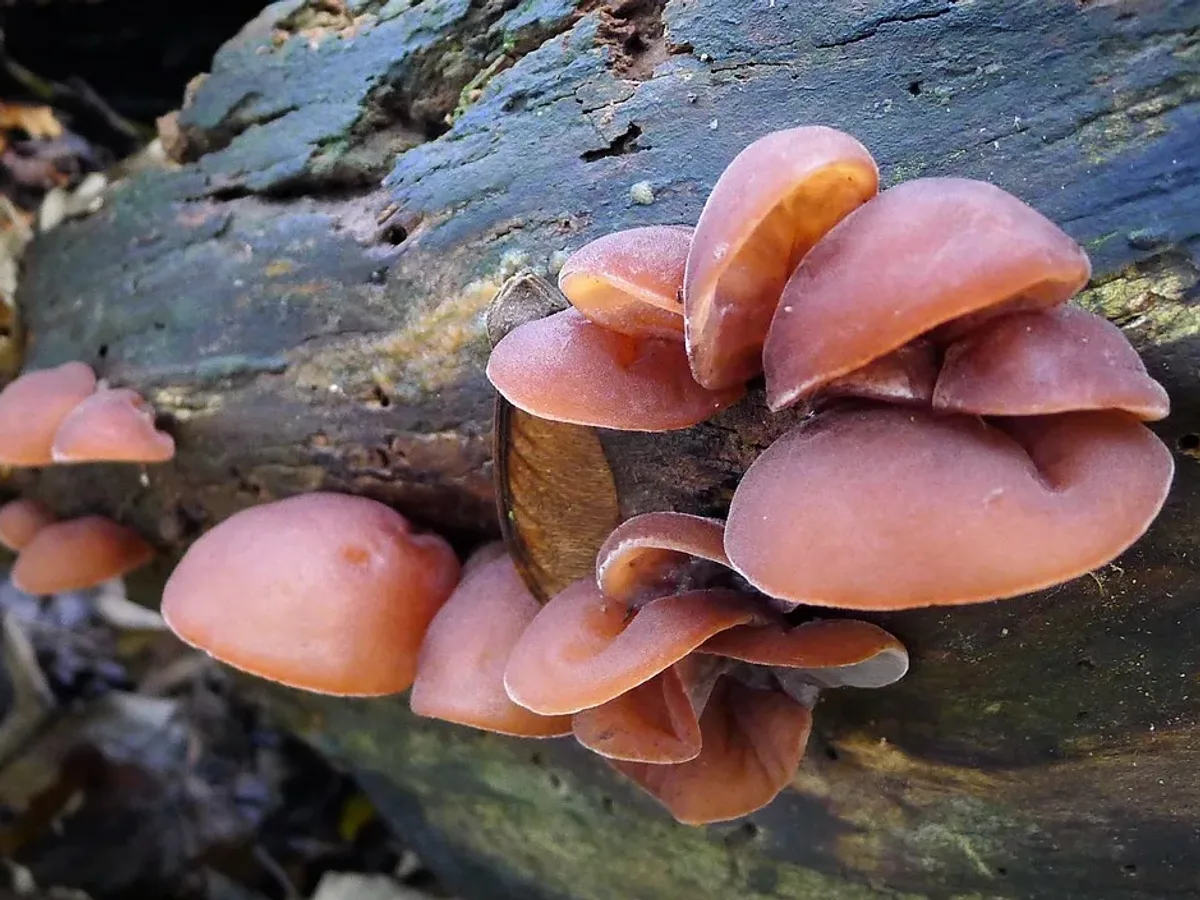
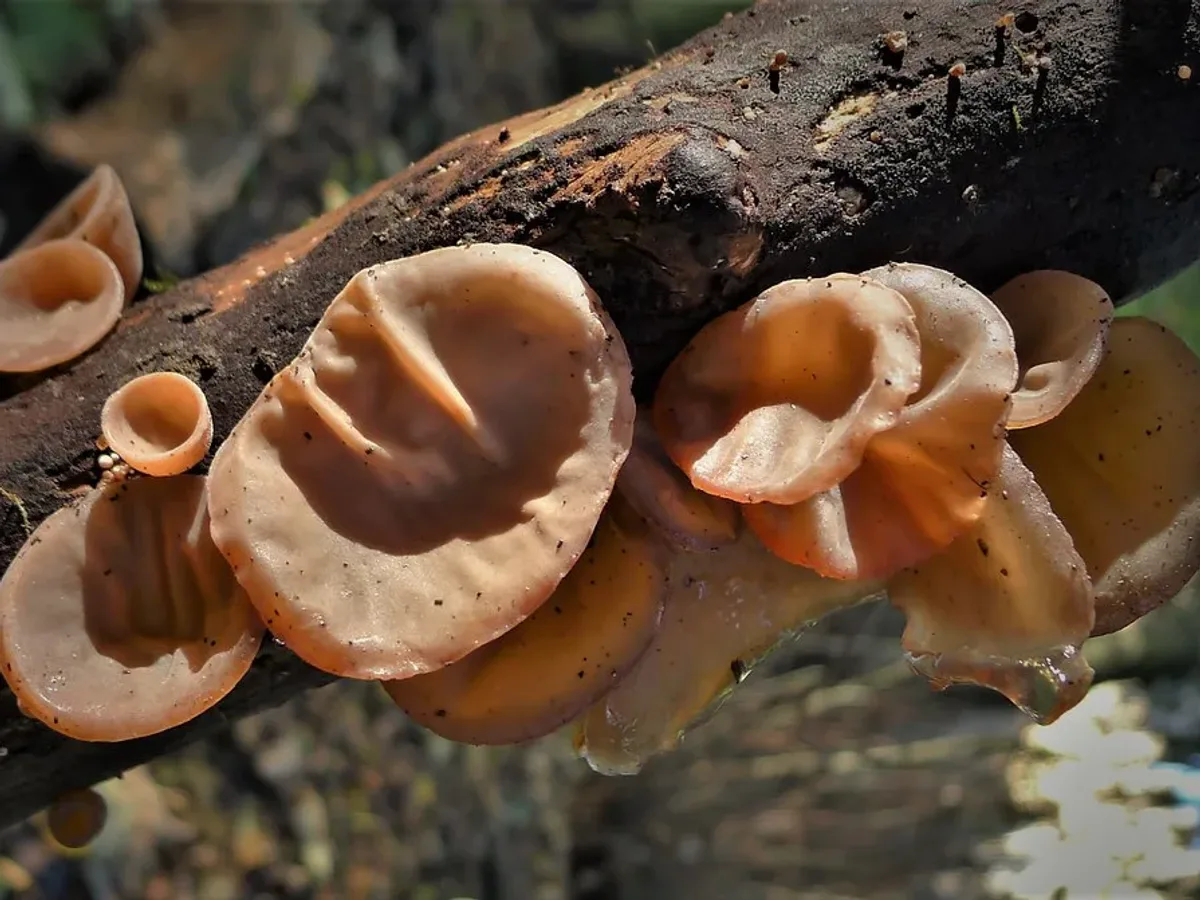
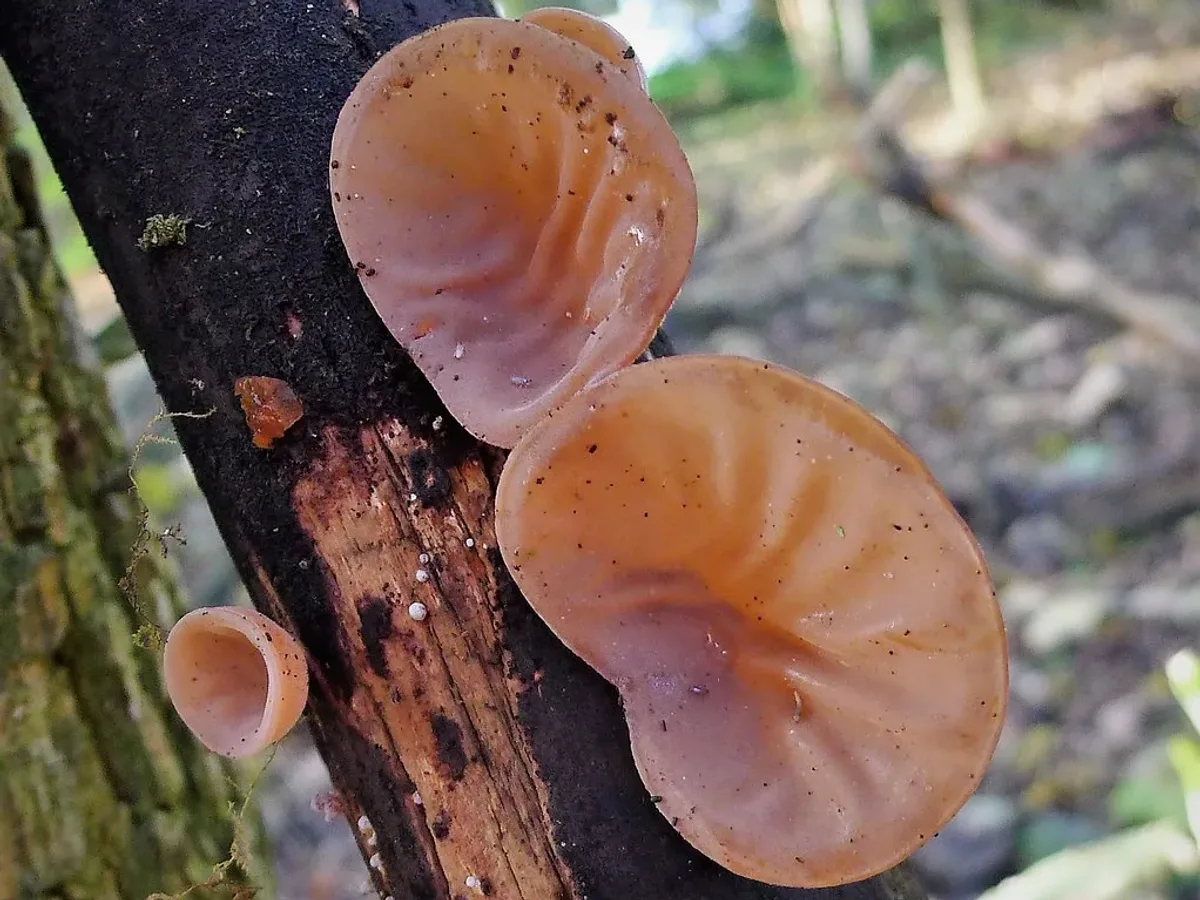
Auricularia auricula-judae is unmistakable once you have met it: the fruiting body is a lobed, irregularly ear-shaped bracket, 3-12 cm across, anchored to bark by a narrow basal attachment rather than a proper stem.
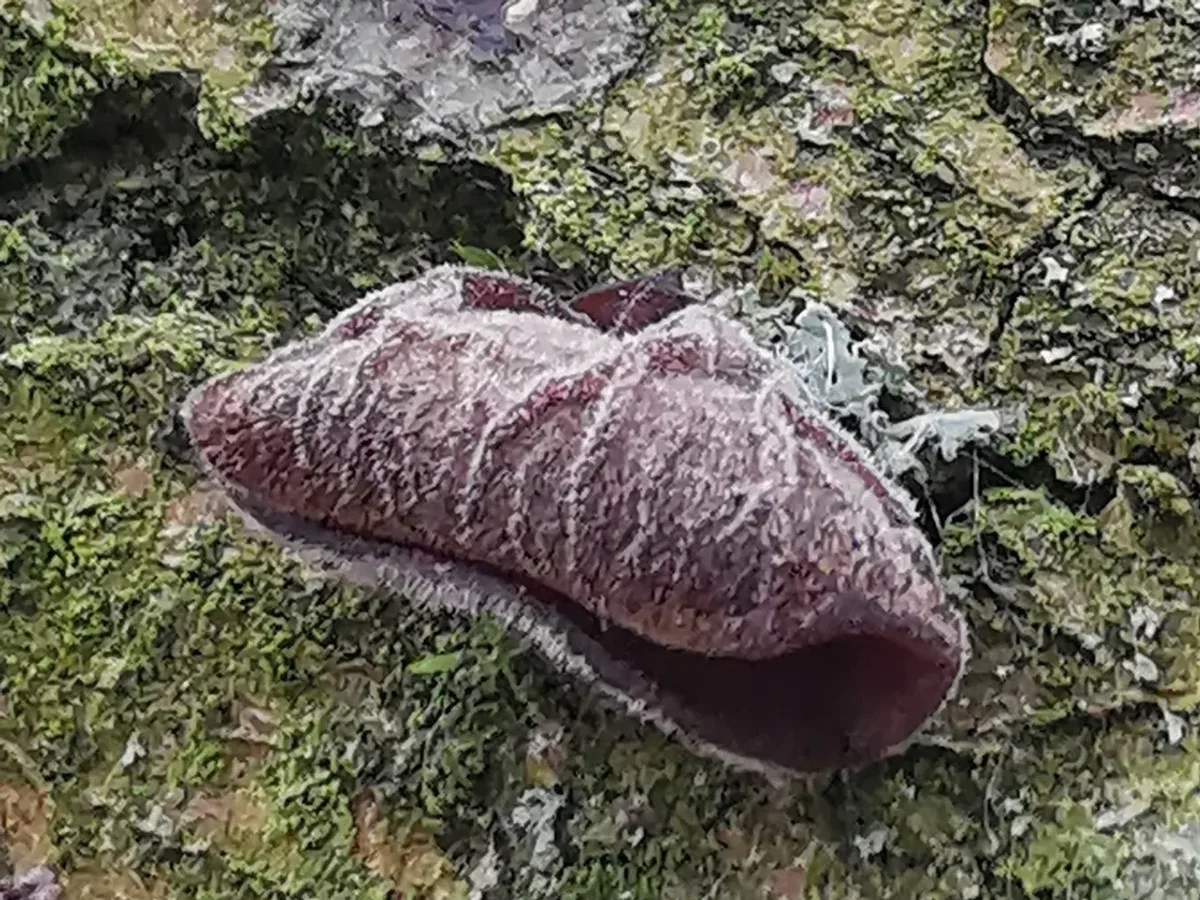
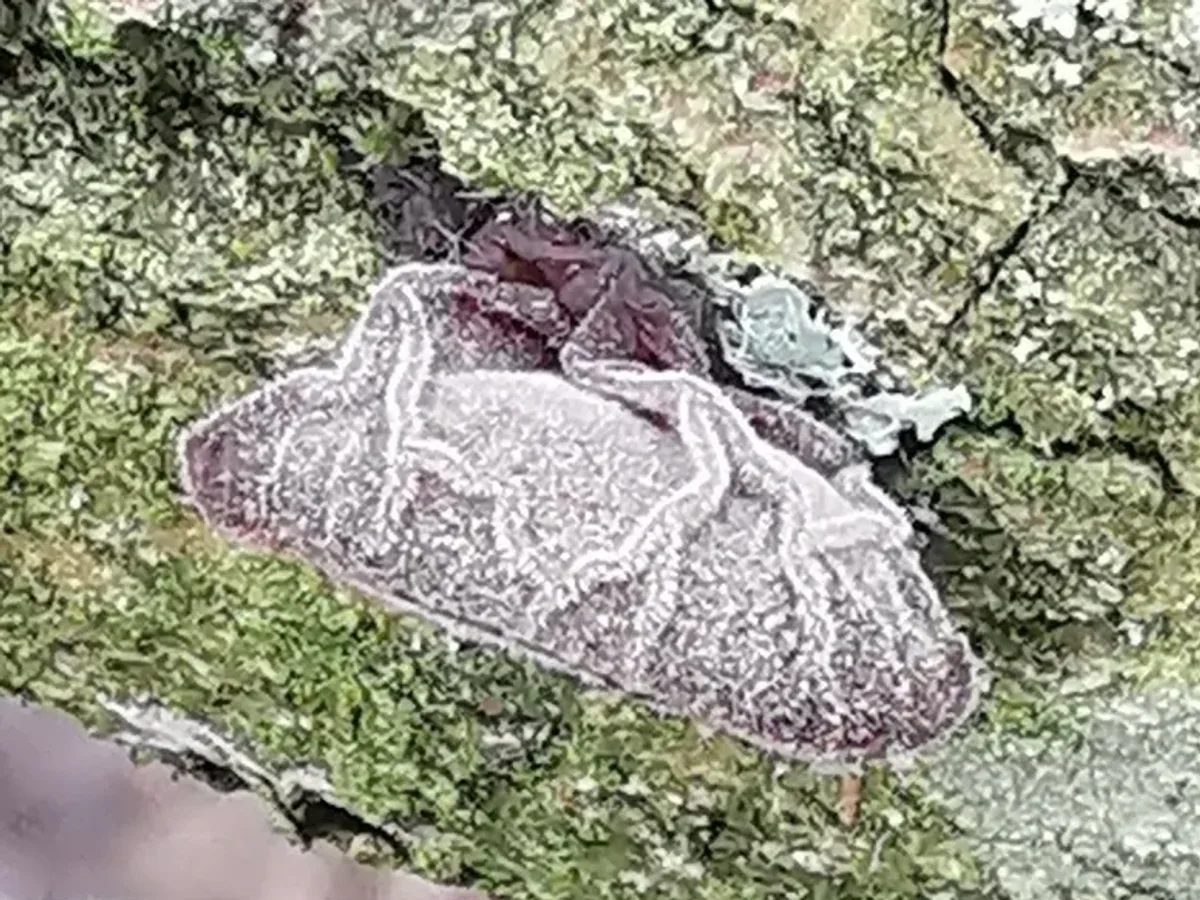
The outer (upper) surface is chestnut to dark reddish-brown, densely covered in fine, greyish-white hairs that give it a velvety, slightly frosted sheen in low-angle light - a feature that distinguishes it cleanly from the smoother inner surface.
That inner, fertile surface (the hymenium) faces downward and outward from the wood. It is slightly paler, with a faint purplish or lilac cast when very fresh, and carries the spore-bearing basidia in a smooth to faintly wrinkled layer rather than gills or pores.
The flesh throughout is gelatinous and translucent when hydrated - cut a section and you can see the layered jelly structure - rubbery and springy to the touch rather than brittle or fibrous.
Colour deepens with age and drying: dry specimens become shrunken, hard, near-black discs with a texture like stiff leather or cartilage. Rehydrated in water overnight they swell back to almost their original dimensions, recovering their translucent, amber-to-brown tone and rubbery resilience.
Cap diameter, degree of lobe complexity, and hairiness vary somewhat with climate and host, but the basic ear shape and jelly-rubber texture are constant identifiers across sub-Saharan populations.
Where & when it grows
Habitat
Auricularia auricula-judae is a saprotrophic wood-decay fungus - it does not form mycorrhizal partnerships with living roots but instead colonises dead and dying wood, breaking down lignin and cellulose through a brown-rot process.
Across sub-Saharan Africa it has been documented in Tanzania, Mozambique, the Democratic Republic of Congo, and Cameroon, as well as in other East and Central/West African countries wherever suitable broadleaf hosts are present. It tends to fruit on standing dead trunks, fallen logs, large branches, and old stumps in moist forest, riverine woodland, and agroforestry settings.
The mycelium persists inside the wood long after the host tree has fallen and the bark has begun to flake - the fungal network continues digesting the inner heartwood even through prolonged dry spells, sustaining itself until moisture returns. Because it is not dependent on living root networks, Auricularia can appear on isolated wood in gardens, fencerows, and forest edges, not only in intact forest.
In Tanzania and Mozambique it is particularly associated with moist highland and coastal forest zones; in Congo and Cameroon it thrives in the humid Guineo-Congolian rainforest belt. Host specificity is relatively low - it fruits on a wide range of hardwood species.
When
Fruiting is tightly governed by rainfall. Across East Africa - Tanzania, Mozambique - the main harvest windows are March to May during the long rains and October to December during the short rains. In the Congo Basin and Cameroon, where rainfall is more evenly distributed, heavy flushes occur April through October, with a secondary peak after any mid-year break in rain.
One of the most remarkable characteristics of this species in the field is its ability to enter reversible desiccation: during dry spells the fruiting body loses virtually all its free water and collapses to a stiff, dark, leathery crust that can persist on the bark for weeks or months without rotting. Within a day or two of rain arriving, the same body rehydrates, expands, and resumes sporulation - a capacity known from few other macrofungi.
This means that in any month where at least one significant rain event occurs, even outside the nominal season, viable fresh fruiting bodies may be found on wood that holds persistent mycelium. In practice, experienced local harvesters in Tanzania learn to check known elder and broadleaf logs the morning after night rain, year-round.
How it grows
Like all wood-decay fungi, Auricularia auricula-judae produces no underground sclerotia and forms no root partnerships. It lives as a network of hyphae ramifying through dead wood, secreting enzymes that break the long cellulose and lignin chains into simpler molecules it can absorb.
This brown-rot process leaves the decayed wood a reddish-brown, cubically cracked residue - different from the white, stringy residue of white-rot fungi.
When temperature and moisture align, hyphal tips at the wood surface aggregate and differentiate into the gelatinous, layered fruiting body. The jelly matrix is composed largely of extracellular polysaccharides - the same beta-glucan and fucoidan polymers that give Auricularia its documented bioactive properties and its characteristic texture.
Fruiting bodies can arise singly but more often appear in overlapping clusters of 3-15, the individual ears pressed against each other in a tiled arrangement. A single log in prime condition may produce dozens of fruiting bodies in one flush.
Because the mycelium is not destroyed by harvesting, a productive log will flush again with successive rains, sometimes over multiple seasons, until the wood substrate is exhausted. This makes cultivated production on inoculated hardwood logs or sawdust bags highly efficient - a single log may yield 3-5 crops over 18 months.
Fruiting conditions
Wood-decay fruiting driven by rainfall and warmth in the rainy season; Auricularia desiccates and rehydrates with subsequent rains.
Look-alikes
Auricularia auricula-judae has very few dangerous lookalikes. The gelatinous, ear-shaped bracket growing directly on wood with no gills and no stem is a distinctive combination that few toxic species share.
The most common source of confusion in sub-Saharan Africa is the oyster mushroom (Pleurotus ostreatus and related Pleurotus species), which also grows on dead wood in overlapping clusters but is structurally entirely different. Pleurotus produces fan-shaped to shell-shaped caps with a pale cream to grey-white or yellowish surface, a clearly defined fertile underside bearing crowded, decurrent gills (running down a short, off-centre stem), and a white spore print. There is no gelatinous quality to Pleurotus flesh - it is firm and fibrous.
Pleurotus is edible and safe, so any confusion between the two is not a safety hazard but a culinary misidentification; both species are welcome finds.
Other Auricularia species occur in the region - including Auricularia polytricha (cloud ear), which has a more pronounced velvety upper surface and is also edible. There are no highly toxic ear-shaped jelly fungi documented in sub-Saharan African edible foraging contexts that closely resemble Auricularia.
The reliable identifiers are:
- ear or cup shape
- gelatinous rubbery texture
- brown velvety upper surface
- smooth inner fertile surface
- direct attachment to wood
- no gills
- no stem
Oyster shape with decurrent (down-running) gills on a short eccentric stem distinguishes it; both genera have few dangerous confusion species.
In the kitchen
Picking & cleaning
Harvest Auricularia auricula-judae at peak fresh hydration: choose specimens that are fully expanded, rubbery, and pliant, not those that have begun to shrivel at the margins. Cut or pull the ear cleanly at its basal attachment point rather than tearing a strip of bark with it.
Smaller to medium specimens (5-9 cm) tend to have the best texture and flavour; very large, older ears can become tough and slightly bitter. Avoid any that show signs of secondary mould - white or grey surface fuzz distinct from the normal fine hairs - or those that have collapsed and blackened beyond the normal desiccation state.
Because the surface hairs trap debris, a thorough rinse under running water is important: grit or bark fragments can be dislodged by gently rubbing the velvety surface under cool water.
For storage, Auricularia is one of the most drying-friendly edible fungi. Spread freshly harvested ears in a single layer in direct sun or in a food dehydrator at 50-60 °C until bone-hard (typically 6-10 hours in sun, 4-6 hours dehydrated).
Dried ears stored in an airtight container away from light keep for 12 months or more without significant flavour loss, making them an excellent preservation option in areas without refrigeration. Rehydrate in cold or lukewarm water for 20-30 minutes before cooking.
Cooking
Auricularia auricula-judae has a mild, faintly earthy flavour that acts more as a textural ingredient than as a primary flavour carrier - a quality that makes it exceptionally versatile and compatible with bold spicing.
The defining culinary attribute is its pleasantly slippery, slightly crunchy resilience. Unlike most mushrooms, it does not go limp or dissolve on prolonged cooking, retaining a satisfying bite even after 20-30 minutes in a simmering pot.
In sub-Saharan cooking contexts it integrates naturally into stews, bean soups, and relishes alongside tomato, onion, and leafy greens, absorbing surrounding flavours while contributing texture. Slice or tear rehydrated ears into strips or bite-sized pieces before adding to the pot - the larger the piece, the more pronounced the crunch.
It responds well to stir-frying: hot oil and high heat produce a lightly crisped exterior with a juicy interior, particularly pleasant with garlic, ginger, and chilli.
Dried Auricularia is also an ingredient in the dried mushroom broths used in many Central and East African homes; the soaking liquid itself carries flavour and can be strained and added to the pot.
For a simple preparation, sauté rehydrated slices in oil with onion, fresh tomato, and salt until the tomatoes break down - serve as a relish over ugali, rice, or boiled cassava.
The oyster mushroom (Pleurotus), often found alongside Auricularia, has a softer, more delicate texture and a slightly nutty flavour; it benefits from quick cooking, as prolonged heat makes it slimy. Both can be combined in the same dish for contrasting textures.
Good to know
Auricularia auricula-judae is a well-established edible with a long history of food use across Africa and Asia and is cultivated commercially at scale. There are no known intrinsic toxins.
The main documented safety consideration is an anticoagulant effect: Auricularia contains polysaccharides that inhibit platelet aggregation. High-consumption scenarios (large amounts daily over extended periods) have been associated with prolonged bleeding time in a small number of clinical reports.
This effect is mild at normal culinary quantities and is not a concern for typical foraging use. But individuals on anticoagulant medication (warfarin, aspirin therapy) or those preparing for surgery should exercise moderation.
Ensure correct identification before eating - the jelly-rubber texture, ear shape, and attachment to dead wood together make this species distinctive. Do not eat raw in large quantities; cooking is recommended both for texture and to deactivate any residual enzyme activity.
A reference guide - never an edibility guarantee. When in doubt, leave it out.