Honey mushroom
Armillaria novae-zelandiae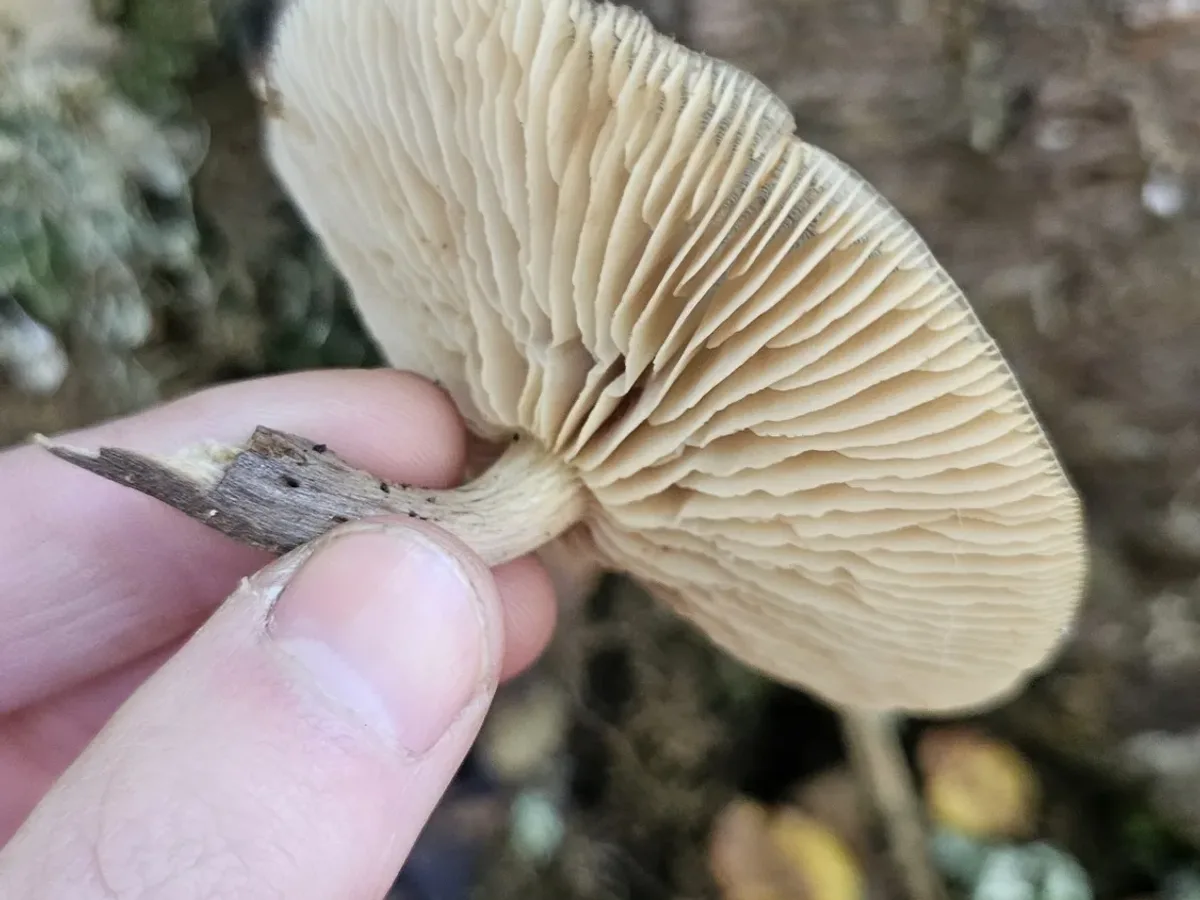 Henry Hart (CC0)
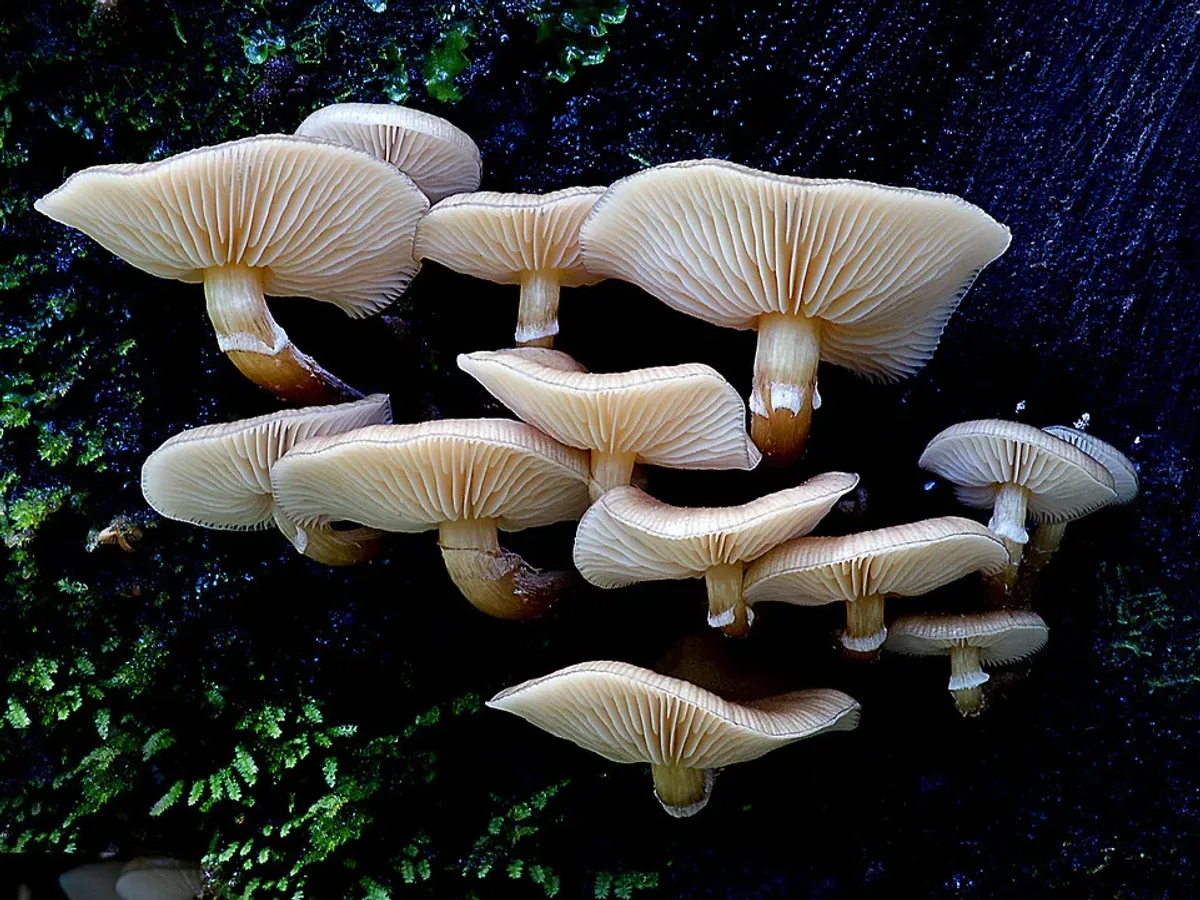 Bernard Spragg (Public domain)
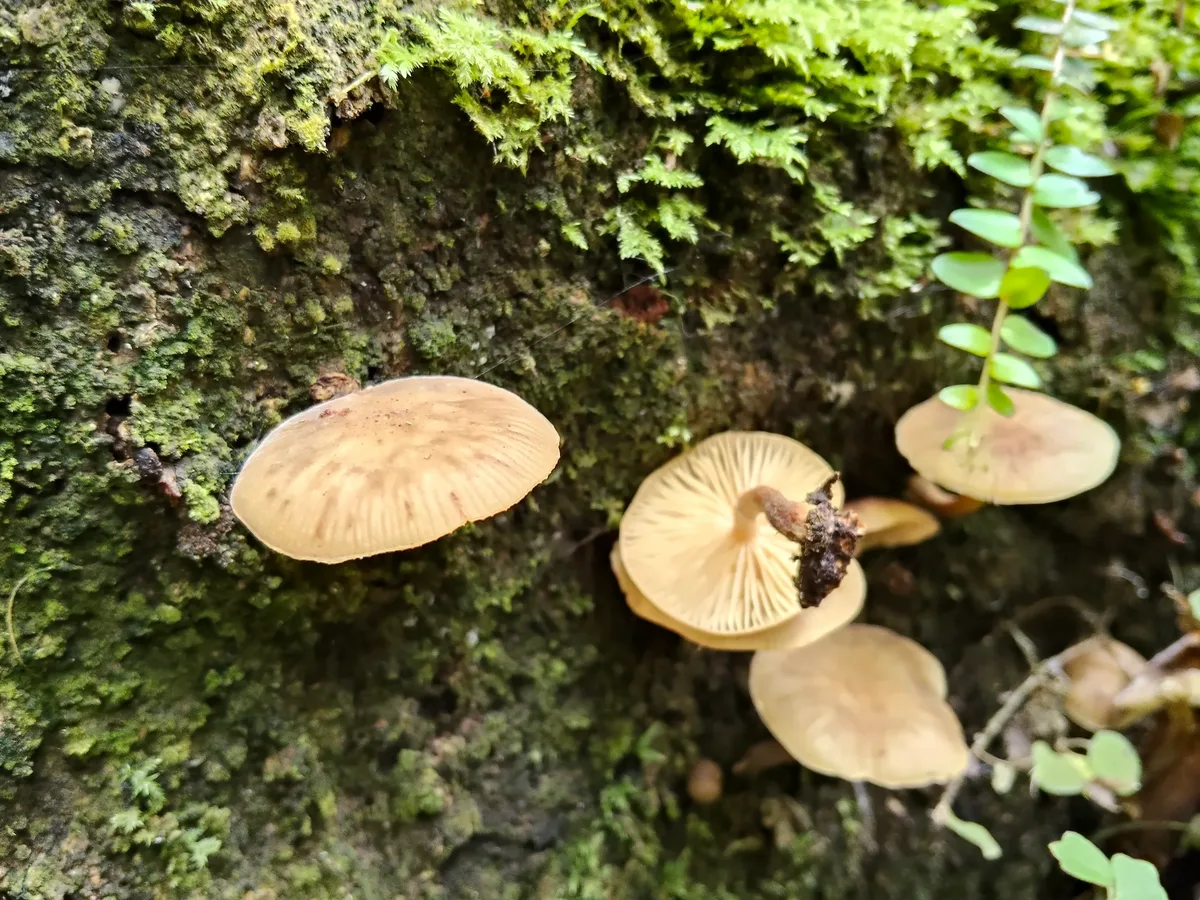 © John Barkla (CC BY)
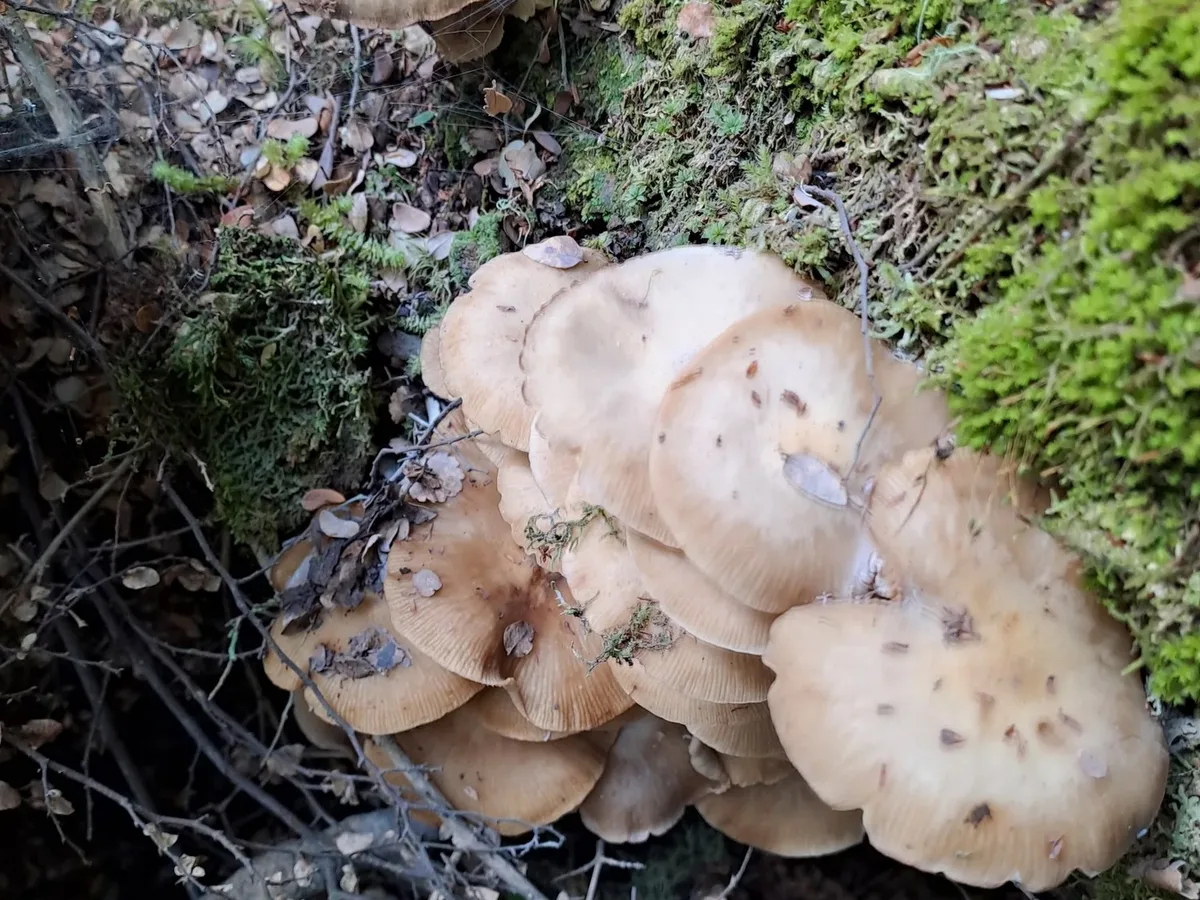 n_armstrong (CC0)
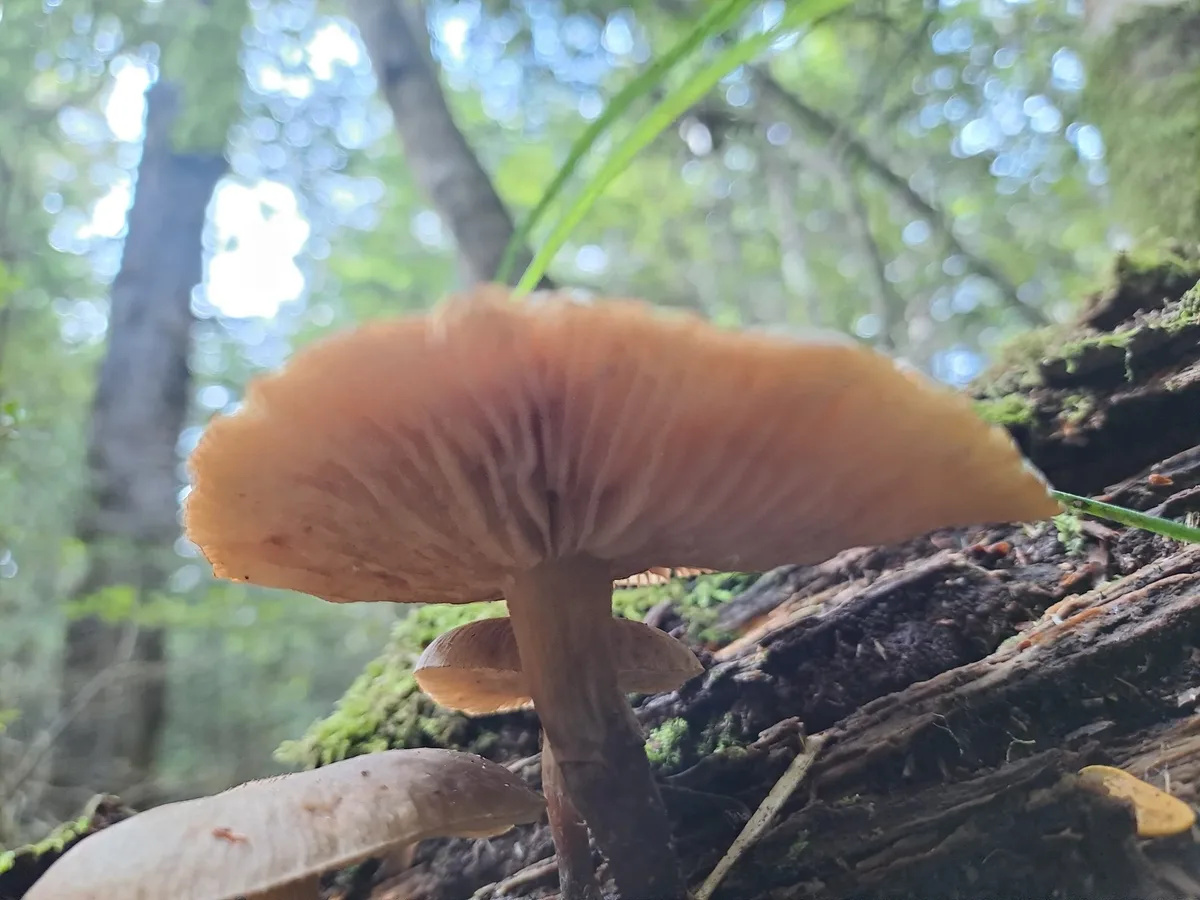 n_armstrong (CC0)
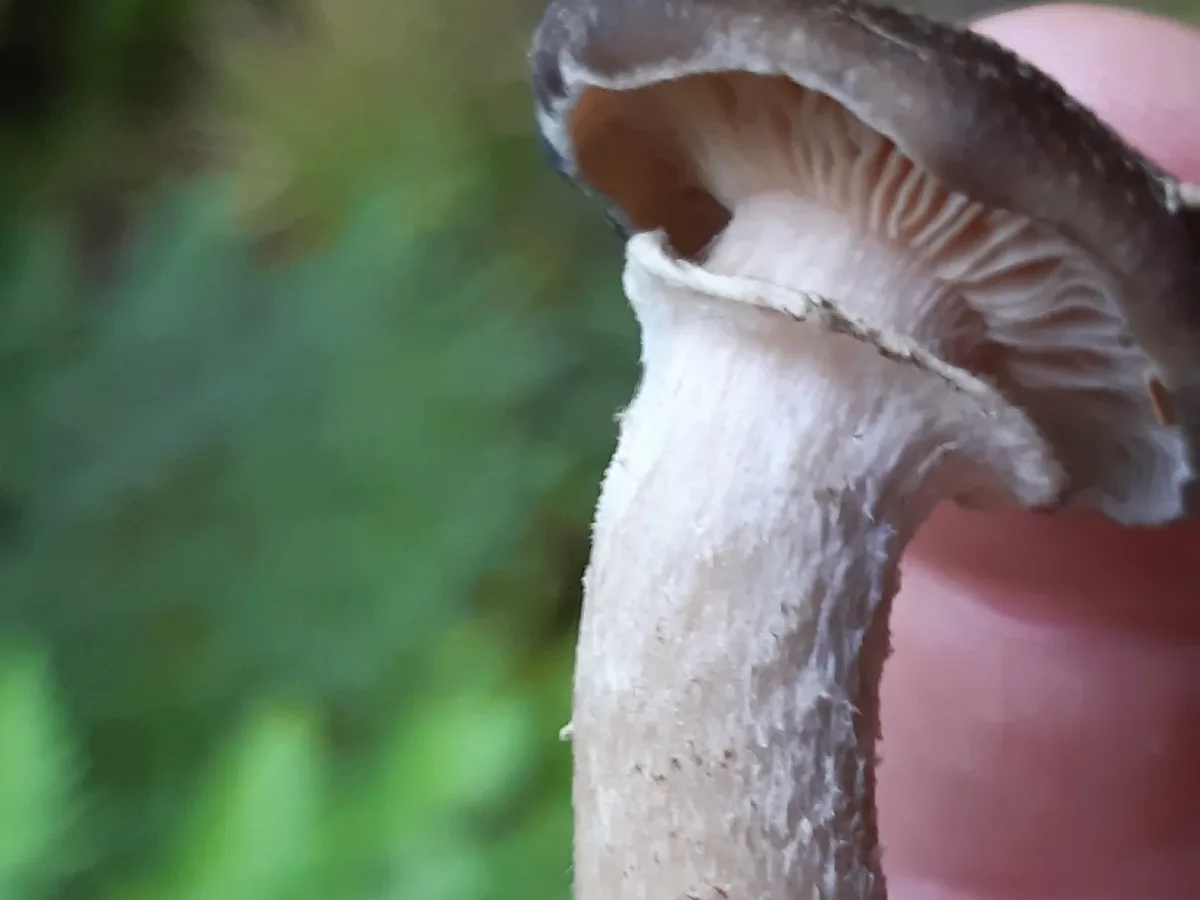 George Cox (CC0)
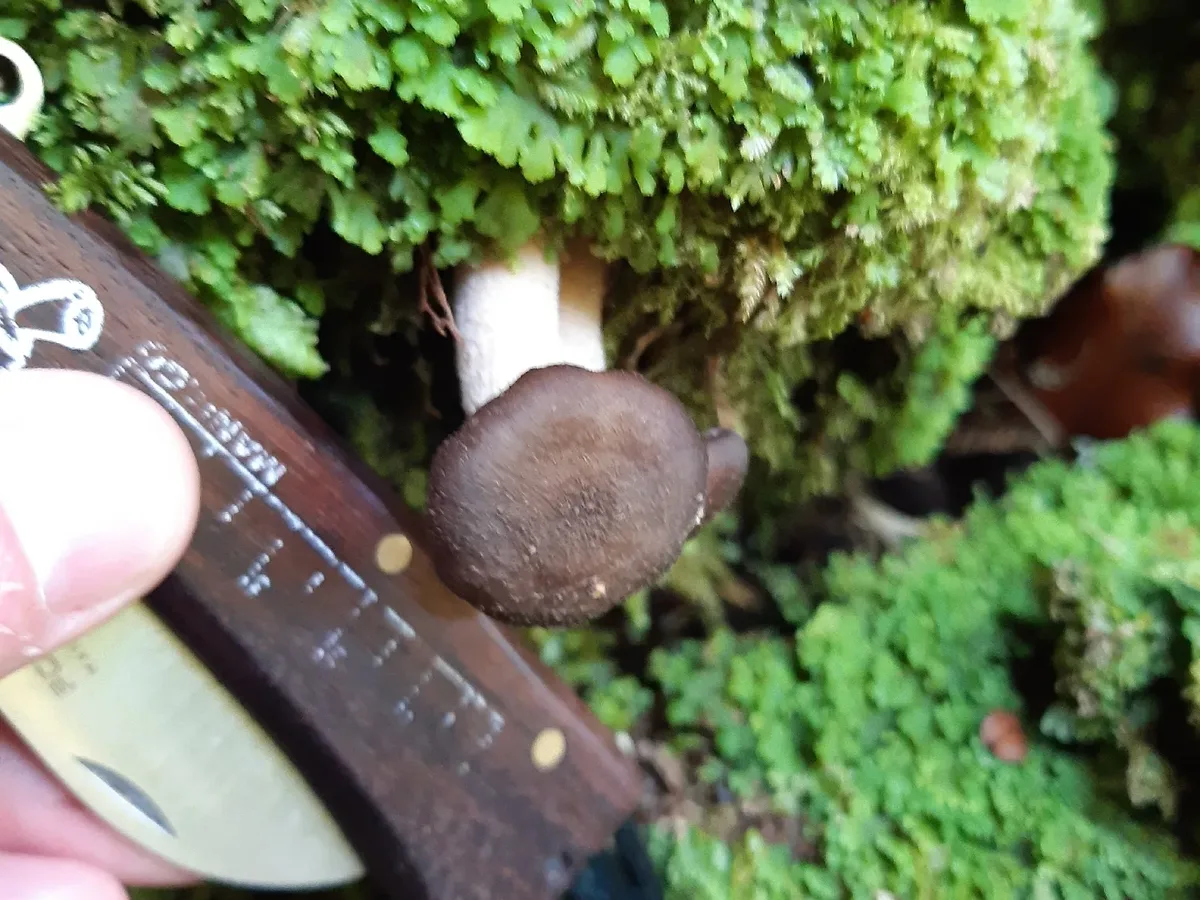 George Cox (CC0)
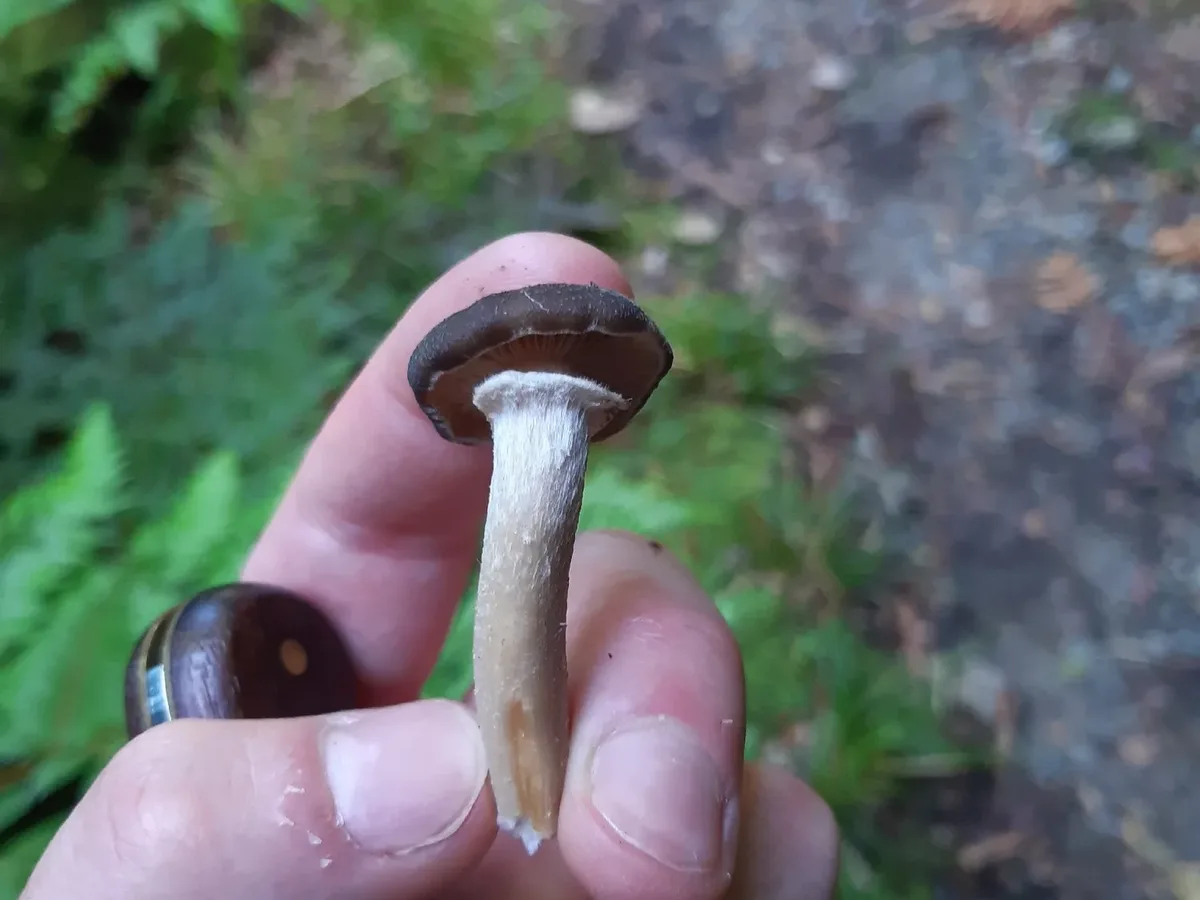 George Cox (CC0)
 © Genevieve Early (CC BY)
 © Genevieve Early (CC BY)
 © Genevieve Early (CC BY)
 © Genevieve Early (CC BY)
 Bernard Spragg (Public domain)
 © islaym (CC BY 4.0)
 © Stephen Hartley (CC BY 4.0)
 © Svend Hansen (CC BY 4.0)Henry Hart (CC0)Bernard Spragg (Public domain)
Good to eat, once you have identified it with certainty and cooked it through.
How to recognise it
Cap
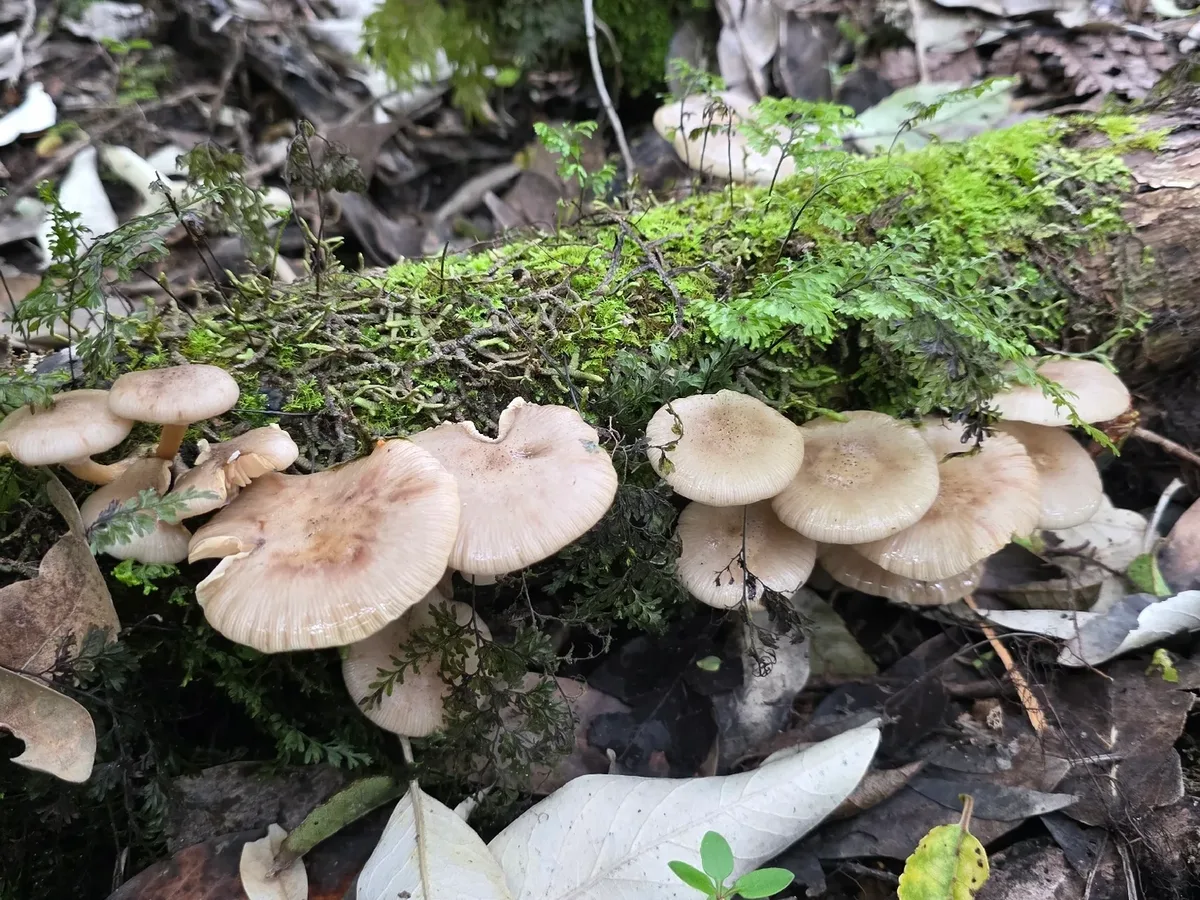
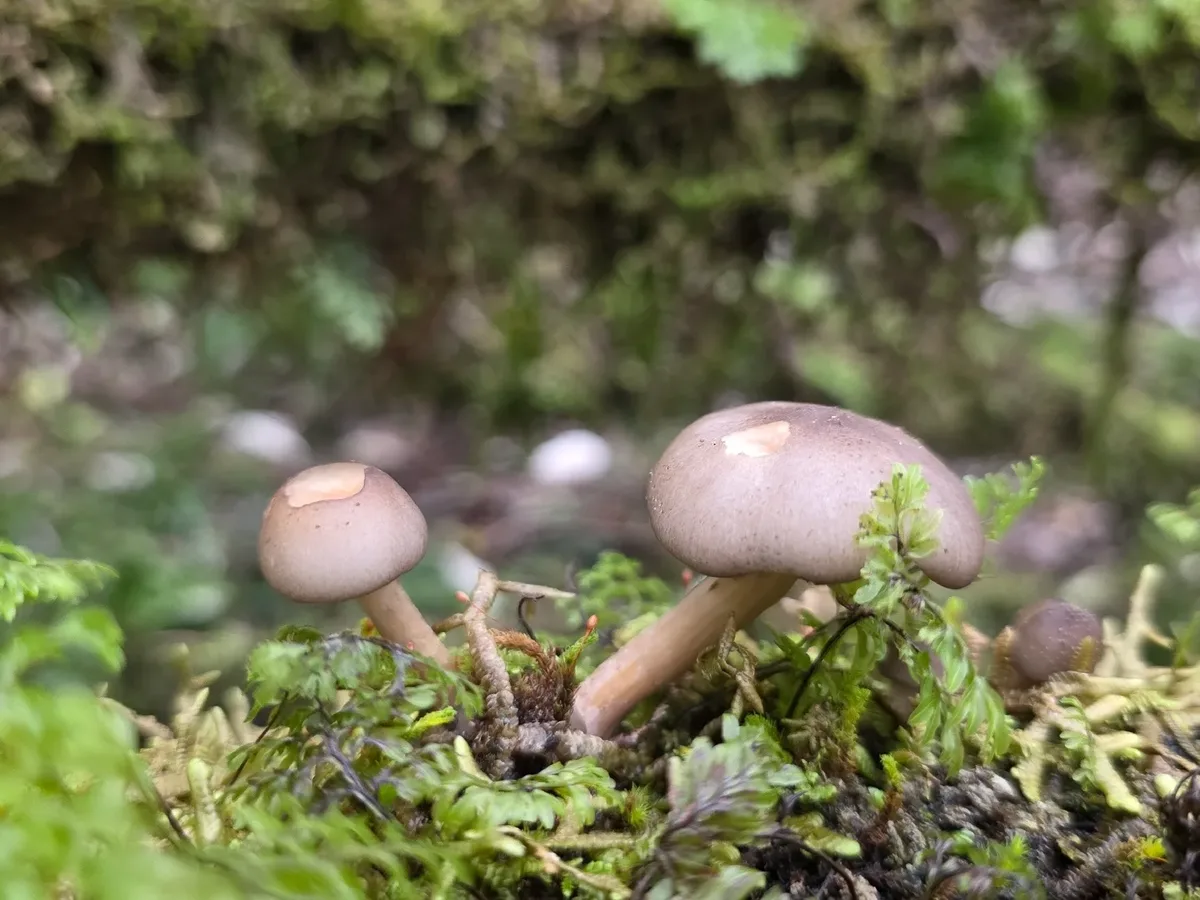
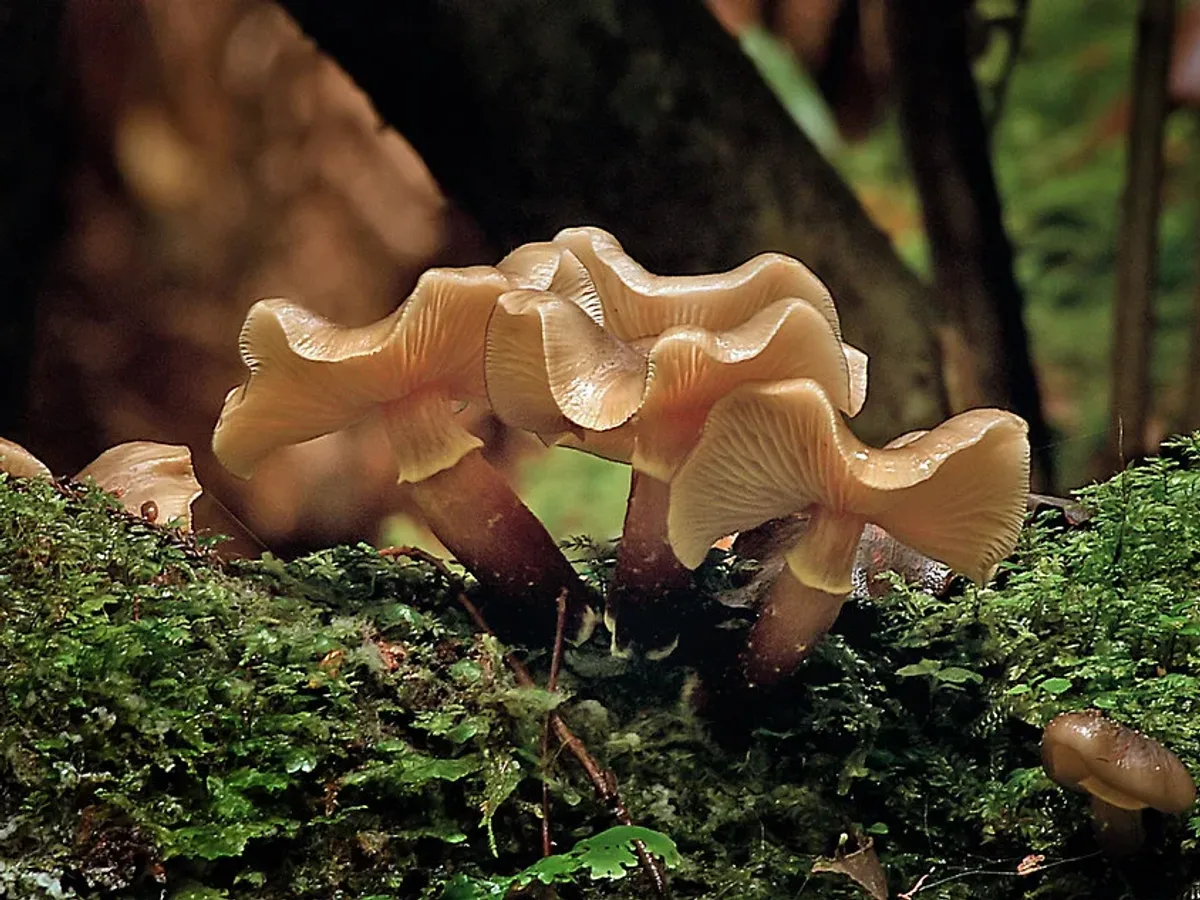
The cap opens 3-8 cm across and passes through two distinct personalities as it matures. In youth it is stoutly convex with a strongly inrolled margin that curves under like the lip of a ceramic bowl.
Its surface carries a concentrated cluster of small, darker brown fibrils or scales at the disc - the centre - that thin out toward the pale olive-beige margin. The background colour ranges from olive-buff to a soft olive-brown depending on moisture and age; wet specimens look richer and slightly darker.
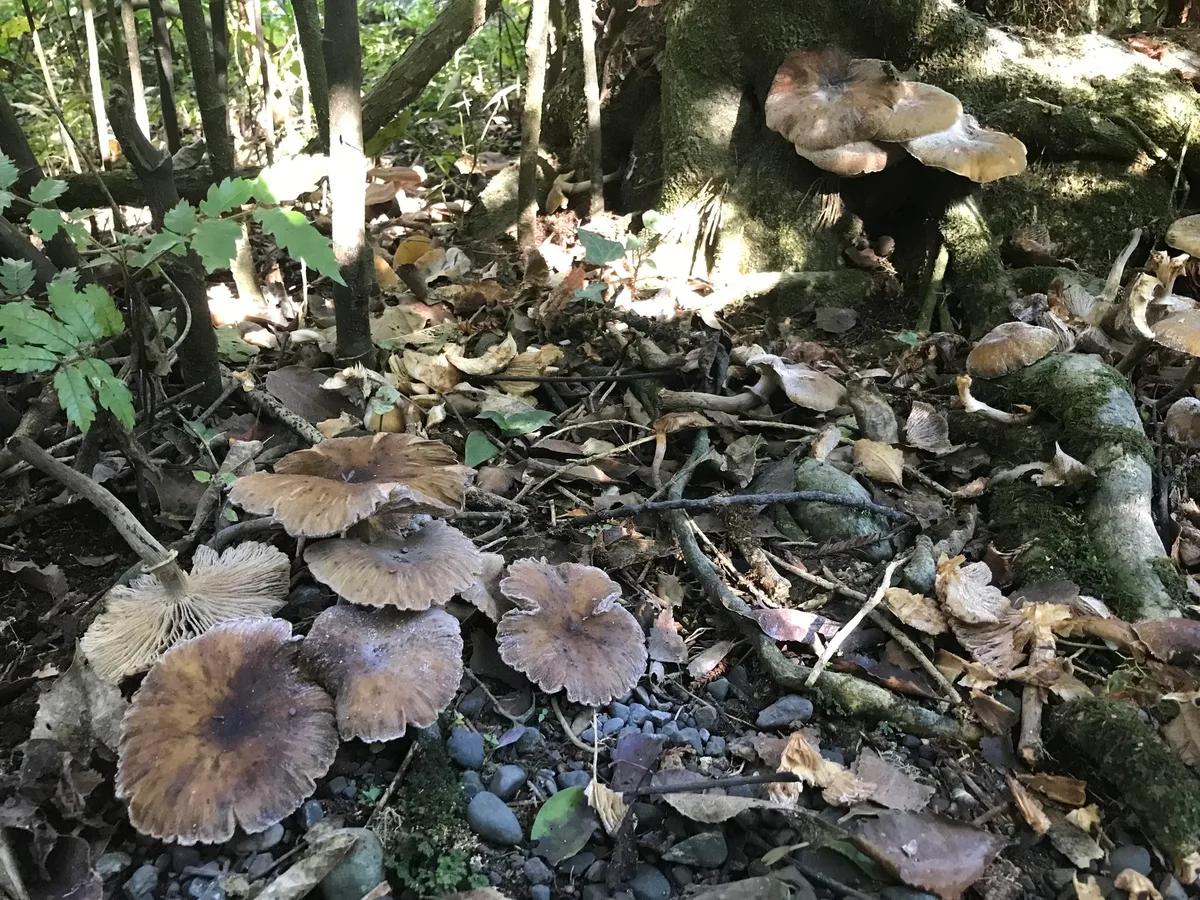
As the cap expands it flattens, eventually becoming plane or shallowly concave, and a faint striate pattern may become visible on the margin where the gills press through.
Gills
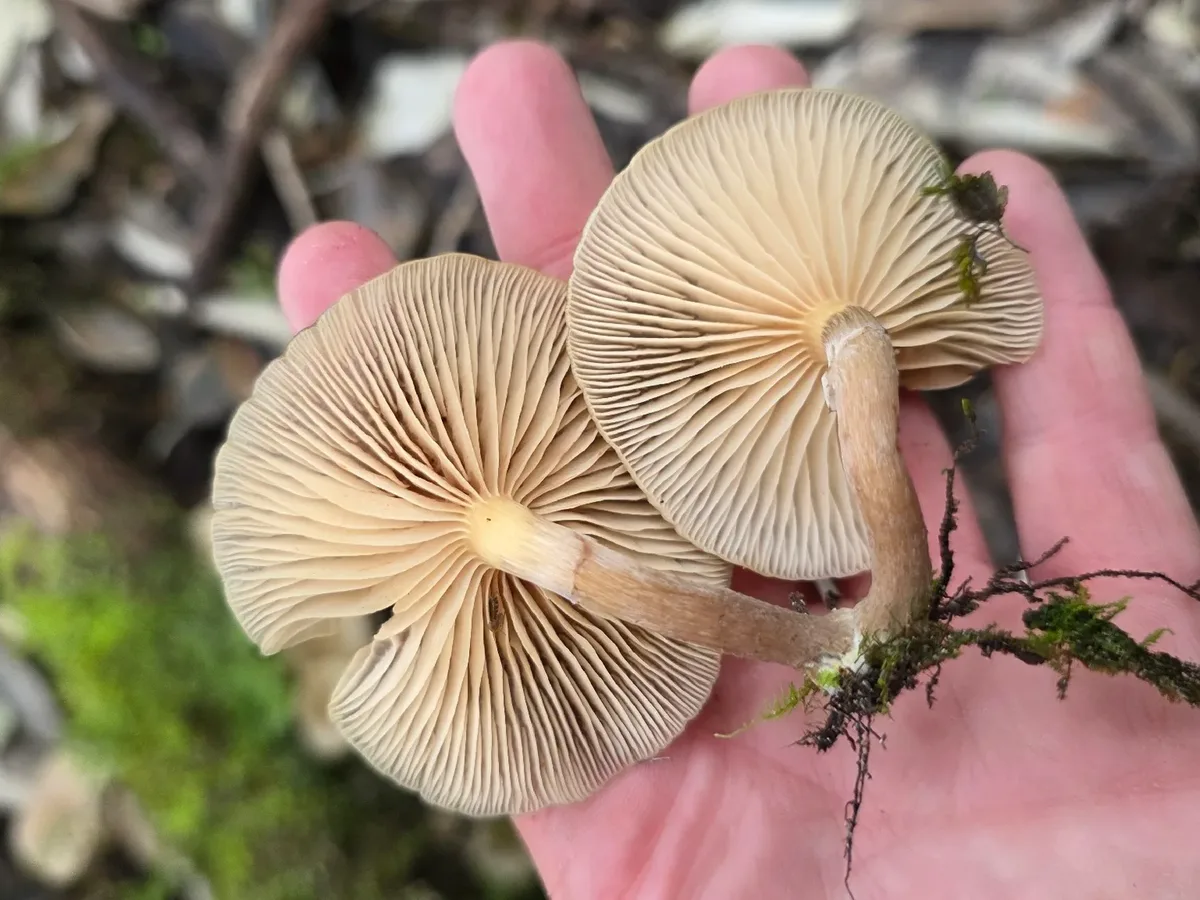
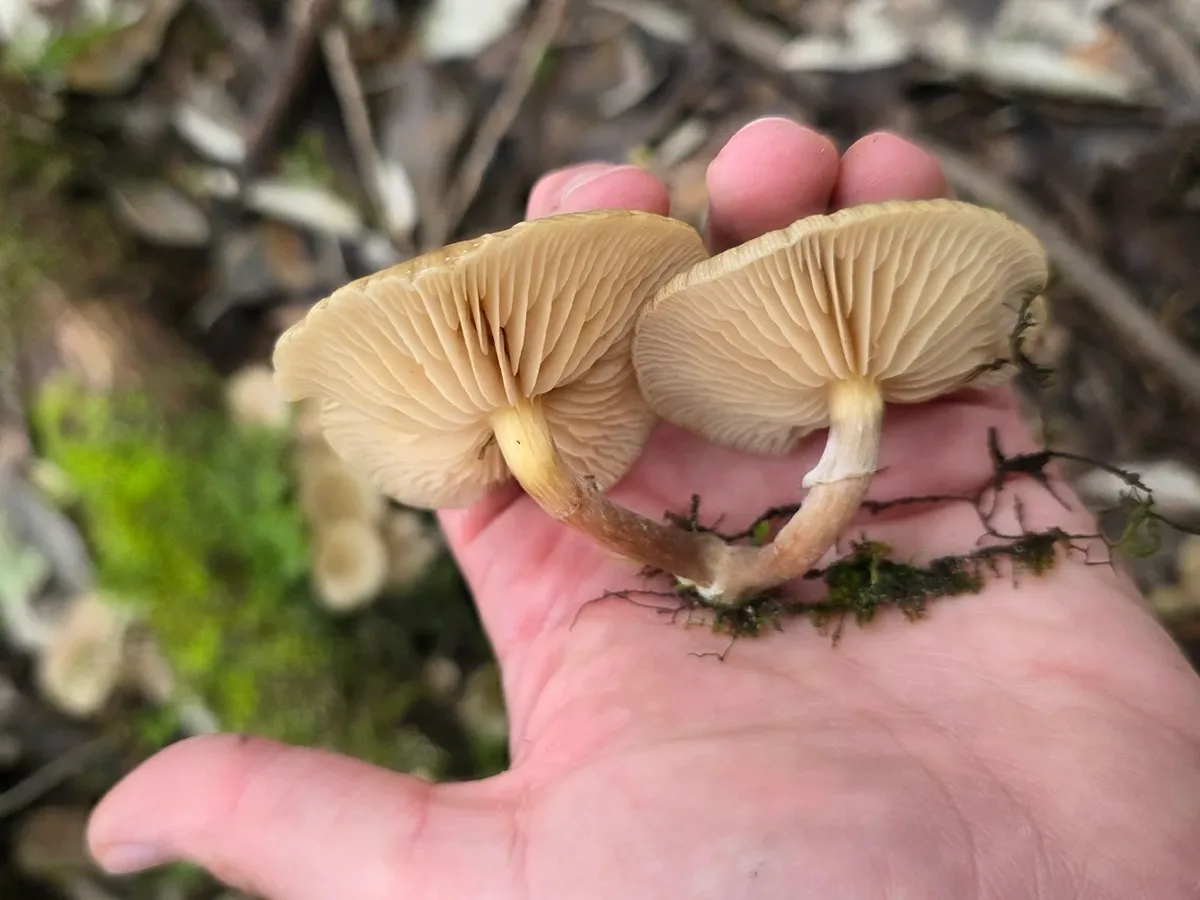
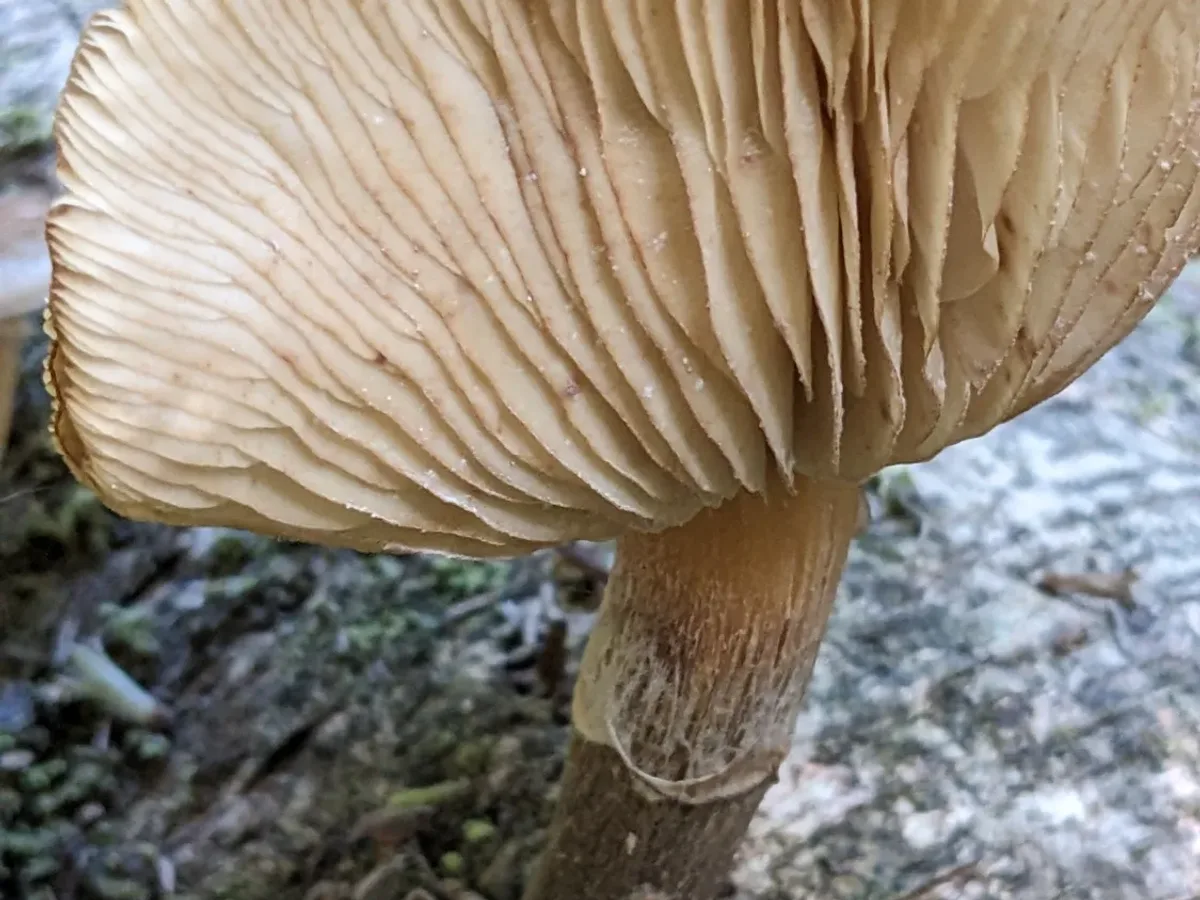
The gills beneath are creamy white to pale buff, adnate to slightly decurrent, crowded moderately, and stain or discolour faintly pinkish-buff with age.
Stem
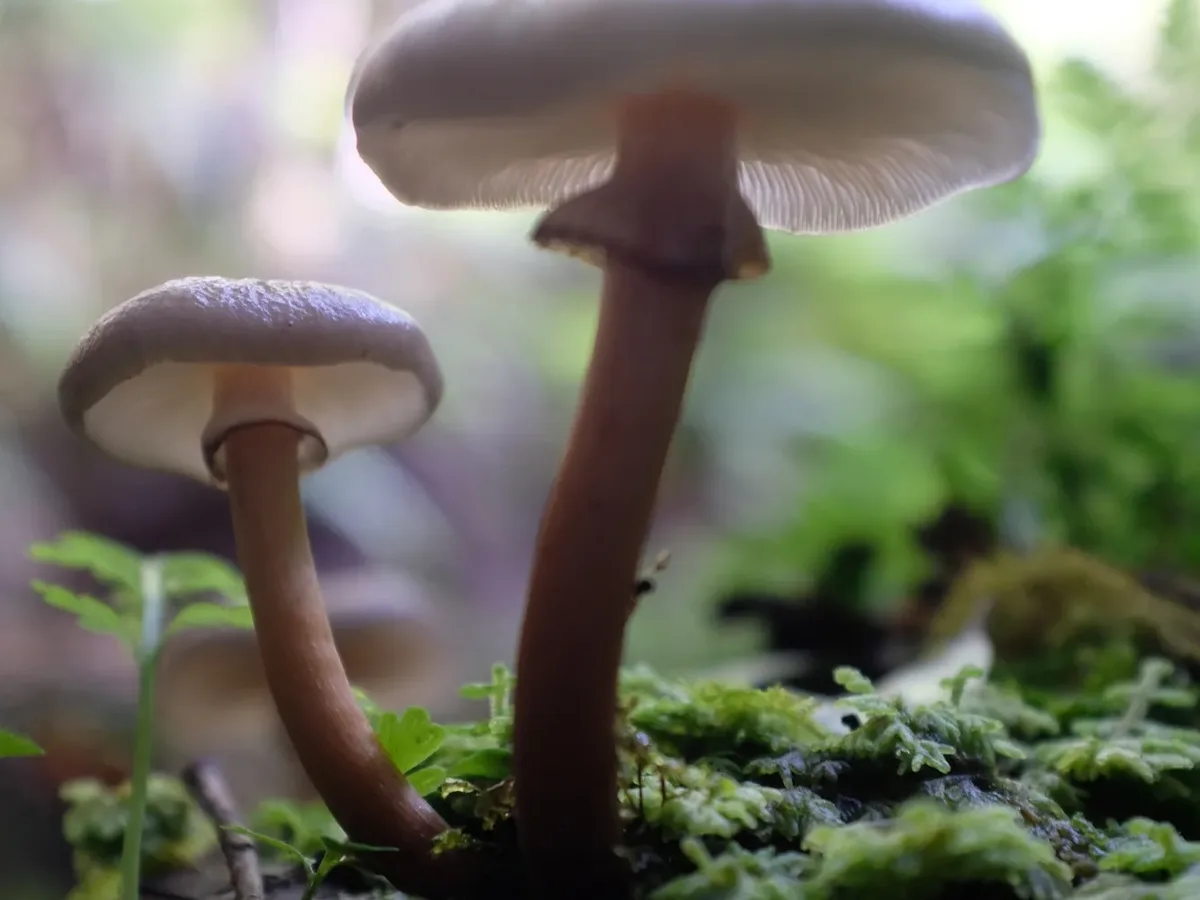
The stem is 5-12 cm tall, roughly cylindrical, often slightly tapering downward, pale above the ring and fibrous-streaked brownish below it.
The ring - the skirt-like remnant of the partial veil - is membranous, persistent, and white to cream; this feature is the most reliable visual anchor for the species.
Spore print is white.
One of the more quietly remarkable properties of this fungus is foxfire: the mycelium colonising decaying wood can produce a cold bioluminescence, faintly visible on moonless nights, caused by a luciferin-luciferase reaction in the living fungal tissue.
Where & when it grows
Habitat
Armillaria novae-zelandiae is a creature of the temperate rainforests that cloak New Zealand's ranges and lowland valleys - particularly the cathedral stands of southern beech (Nothofagus species: N. fusca, N. menziesii, N. solandri) and the mixed broadleaf podocarp forests where rimu, kahikatea, tōtara, and mataī form the canopy.
It is not a quiet background actor in these ecosystems. As a root parasite it invades living root tissue, causing the progressive decay known as Armillaria root rot, which can kill mature trees and create the canopy gaps that reshape forest structure over decades.
Once a host is dead, the fungus transitions to saprotrophic mode, continuing to digest the wood for years.
The underground mycelium connects and spreads through root-to-root contact and through thick, cord-like structures called rhizomorphs - root-like strands that can travel through soil to reach new hosts. Individual mycelial networks can cover substantial ground and persist long after their original host has fully decomposed, waiting in the litter and soil for the next favourable season.
This dual role - active killer and patient recycler - makes it an important, if sometimes destructive, driver of nutrient cycling in southern forest ecosystems. It is also recorded on introduced species and orchard trees, so its range of hosts is broad.
When
In the Southern Hemisphere the fruiting season runs from late autumn through winter, broadly April to August, with the peak flush typically in May or June, when soil temperatures have dropped and prolonged rain has saturated the litter layer.
The trigger is a combination of falling soil temperature (below roughly 15 °C) and adequate moisture following a dry-summer spell. The fruiting lag from a significant rain event to visible fruitbodies is roughly one to two weeks.
The season can vary by a few weeks depending on altitude and latitude - high-country beech forests in the South Island may fruit later or at lower intensity than sheltered North Island stands.
Fruitbodies are ephemeral: they emerge, mature, and deteriorate in a matter of days, which is precisely why the Maori proverb 'he harore rangitahi' - 'a one-day mushroom' - captures the species so accurately.
A forager who arrives two days after peak will find collapsed, soggy remnants. The mushroom's brevity is part of its character; catching it requires knowing the forest and watching the weather.
How it grows
Armillaria novae-zelandiae grows in dense, tightly packed clusters - tufts that splay outward from a common point of origin at the base of a tree, a stump, exposed root, or buried wood.
It is both a parasite and a saprophyte, and the two modes can overlap: a living tree may be colonised at the roots while nearby stumps from previously killed trees host simultaneous fruitbody clusters.
The mycelium spreads through the soil via rhizomorphs - dark, cord-like strands that resemble bootlaces and can travel considerable distances to contact new woody substrate. These rhizomorphs are how the fungus jumps from one host to the next without producing spores.
When conditions are right - cool rain after warm, dry months - the fruitbodies can push through litter and up from root collars with startling speed, swelling from pinheads to full size in just a few days. Colonies on large stumps may produce hundreds of fruitbodies in a single flush.
After spore dispersal the fruitbodies collapse rapidly, returning to the litter as the mycelium retreats back into wood and soil to wait out the summer.
The bioluminescent glow sometimes visible in the decaying wood these fungi inhabit is produced not by the fruitbodies themselves but by the actively digesting mycelium inside the timber.
Fruiting conditions
Late-autumn/winter fruiter on rotting wood and tree roots; flushes appear quickly after cool, wet weather and are short-lived.
Look-alikes
The most important lookalike in the New Zealand context is Armillaria limonea, a native species that is bitter and inedible. It is closely related and grows in overlapping habitats and seasons, which makes visual separation unreliable without experience.
A. limonea tends toward yellower-green tones in the cap and stem compared to the olive-brown of A. novae-zelandiae, but colour alone is not a safe separator, particularly because both species are variable.
The decisive field test is taste: a small piece of raw cap chewed and spat will quickly reveal the acrid, persistent bitterness of A. limonea, which is entirely absent in A. novae-zelandiae.
The Maori language does not draw a linguistic distinction between the two species - both may be referred to as harore - which means the traditional name alone cannot be used as confirmation.
Both species carry a persistent white ring and a white spore print; neither has a volva.
Outside New Zealand, foragers familiar with Northern Hemisphere Armillaria species (A. mellea, A. ostoyae, A. gallica) should know that those species are not present in this region, but the same ring, clustered growth on wood, and white spore print rules apply universally when separating Armillaria from other genera.
A related Armillaria that is bitter and inedible; the Maori language (te reo) does not clearly distinguish it from the edible species, so taste and experience are needed to tell them apart.
In the kitchen
Picking & cleaning
Harvest in the brief window when caps are still convex and the margin remains firmly inrolled - at this stage the flesh is densest and the flavour most rewarding. Once the cap flattens and the margin lifts or begins to tear, the mushroom is past its best and deterioration is fast.
Choose clusters growing on wood or at the base of standing trees; avoid fruitbodies in contact with soil or that have already begun to soften and darken at the cap surface. Because the fruitbodies emerge and ripen quickly, daily checking of a known site is worthwhile during peak season.
- Cut the stem cleanly at the base or twist and pull, leaving the cluster base behind; a cluster partially harvested will sometimes continue to push out additional fruitbodies over the following days.
- Do not store unprepared fruitbodies more than a day: they deteriorate faster than most edibles.
- Transport in a breathable basket or cloth bag rather than a sealed plastic container.
- Trim the base of the stem, which can be tough and woody, before cooking.
- Discard any specimens that are slimy, smell sour or fermented, or have been heavily colonised by other moulds.
Cooking
The firm, meaty flesh of Armillaria novae-zelandiae rewards long, moist cooking better than fast, high-heat methods. The traditional preparation was boiling or stewing, and that instinct is sound: a sustained simmer of 15-20 minutes fully neutralises the heat-labile irritants and softens the somewhat dense texture into something tender and savoury.
The flavour is mild and earthy with a faint nuttiness, and the mushroom absorbs surrounding flavours well, making it a good candidate for broths, slow-cooked stews, and soups.
Because the caps hold their shape through long cooking, they work in dishes where structural integrity matters - a slow-braised mushroom ragu, a forest broth with root vegetables, or a simple sauté finished with butter, garlic, and fresh herbs.
The stems can be fibrous, especially at the base; trim them short or discard entirely and focus on the caps. Do not use raw in salads or consume with insufficient cooking.
If cooking from fresh the day of harvest, a brief blanch followed by a second preparation step (sautéing, simmering in sauce) gives good results. Dried Armillaria concentrates the earthy flavour and reconstitutes well in warm water; the soaking liquid can be strained and used as stock.
Flavour pairings that work well include:
- thyme
- bay
- juniper
- smoked meats
- hard cheese
- dark leafy greens
Good to know
Armillaria novae-zelandiae is edible and has a long history of use as food in Maori culture. The Tuhoe of Te Urewera continue to gather it as a traditional food today.
However, like all species in the Armillaria genus, it must be thoroughly cooked before eating. Raw or insufficiently cooked specimens contain heat-labile compounds that can cause gastrointestinal irritation, including nausea, stomach cramps, and vomiting in susceptible individuals.
There is no record of serious toxicity from properly cooked specimens. Thorough cooking means a sustained simmer or sauté, not a brief stir-fry.
Avoid mixing with the bitter A. limonea: taste each cluster before cooking if there is any doubt about identification.
People with general sensitivity to fungi or who are trying Armillaria for the first time should eat a small portion first and wait several hours before eating more.
The mushroom's traditional cultural status - it was interpreted in some iwi as a sign of good fishing or, in other regions, as an omen of scarcity - reflects the deep familiarity Maori communities had with reading this species in its ecological context, a knowledge worth respecting even when foraging recreationally.
A reference guide - never an edibility guarantee. When in doubt, leave it out.