Honey fungus
Armillaria melleasyn. Agaricus melleus
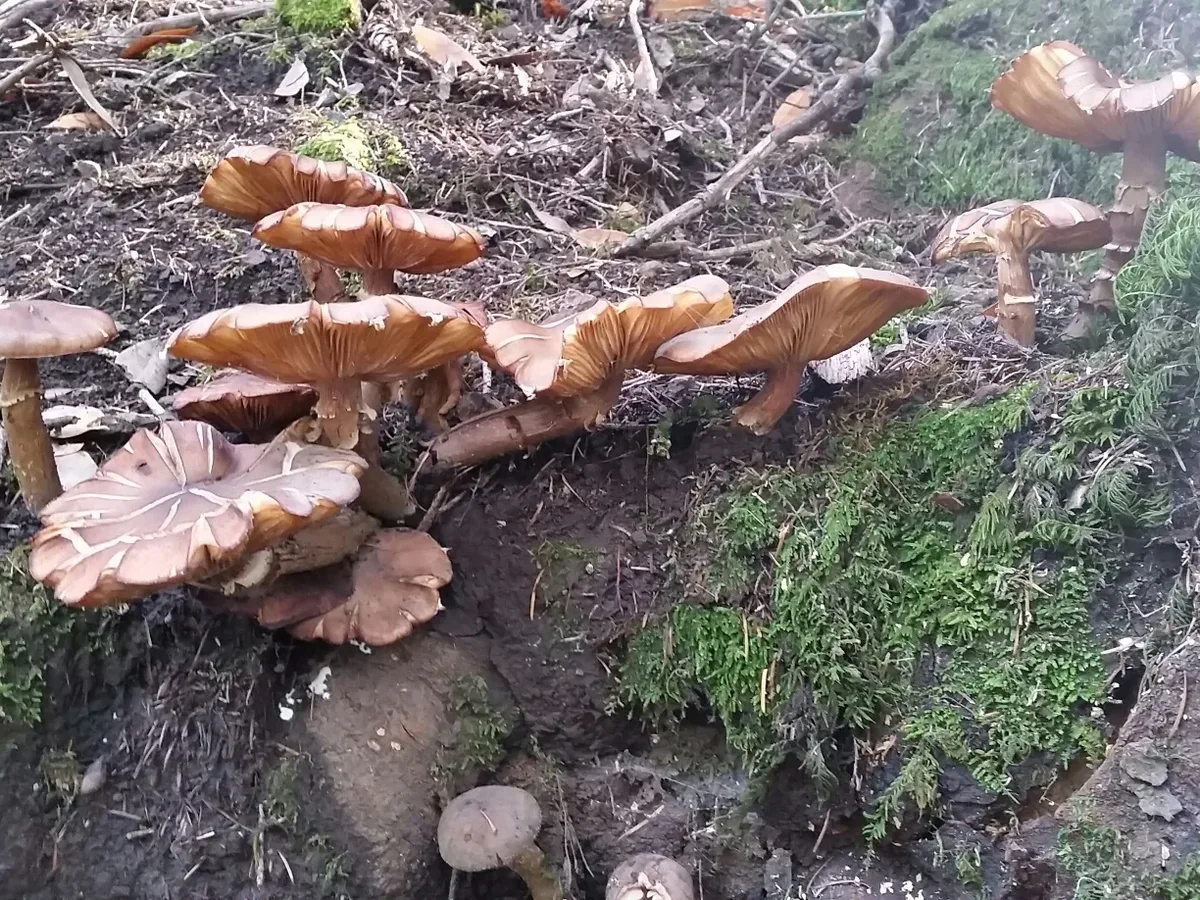 © Alex (CC BY 4.0)
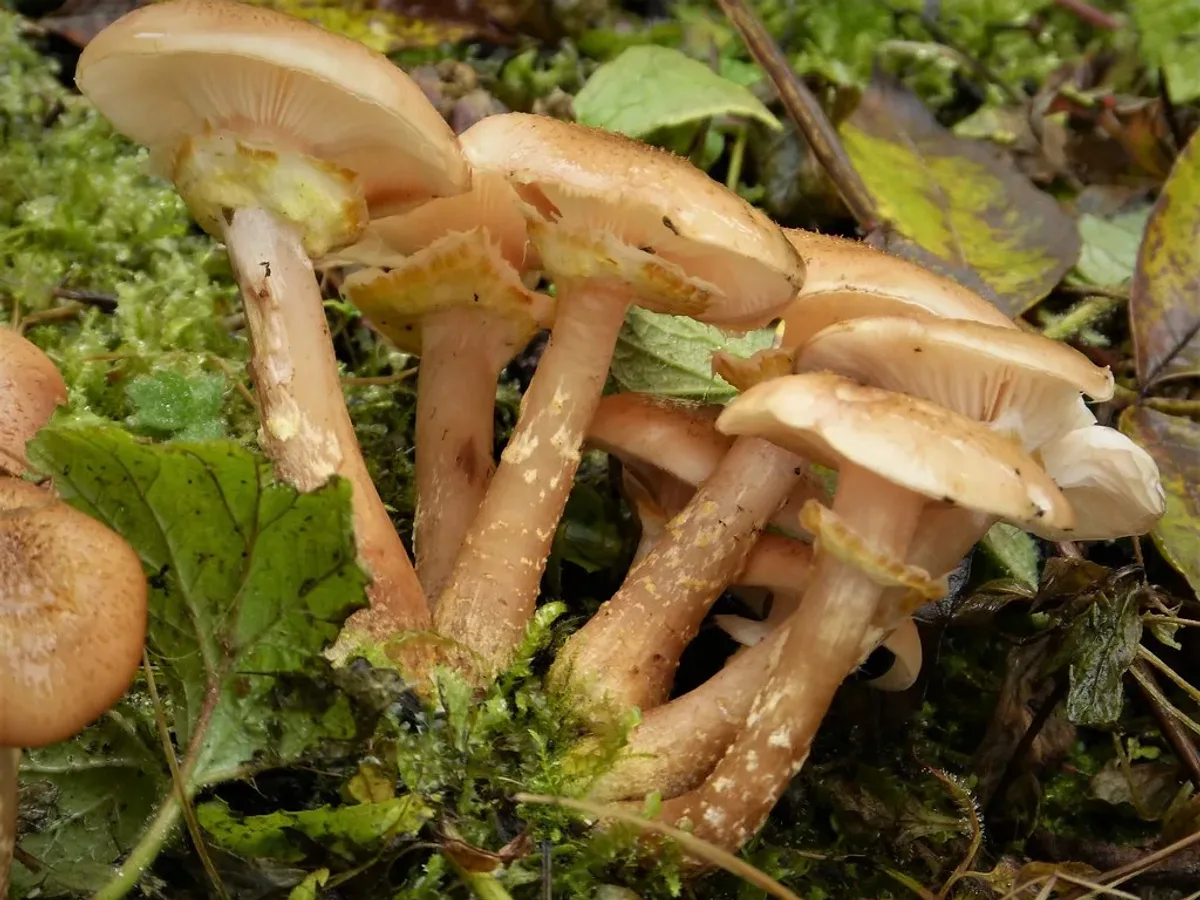 © gailhampshire (CC BY 2.0)
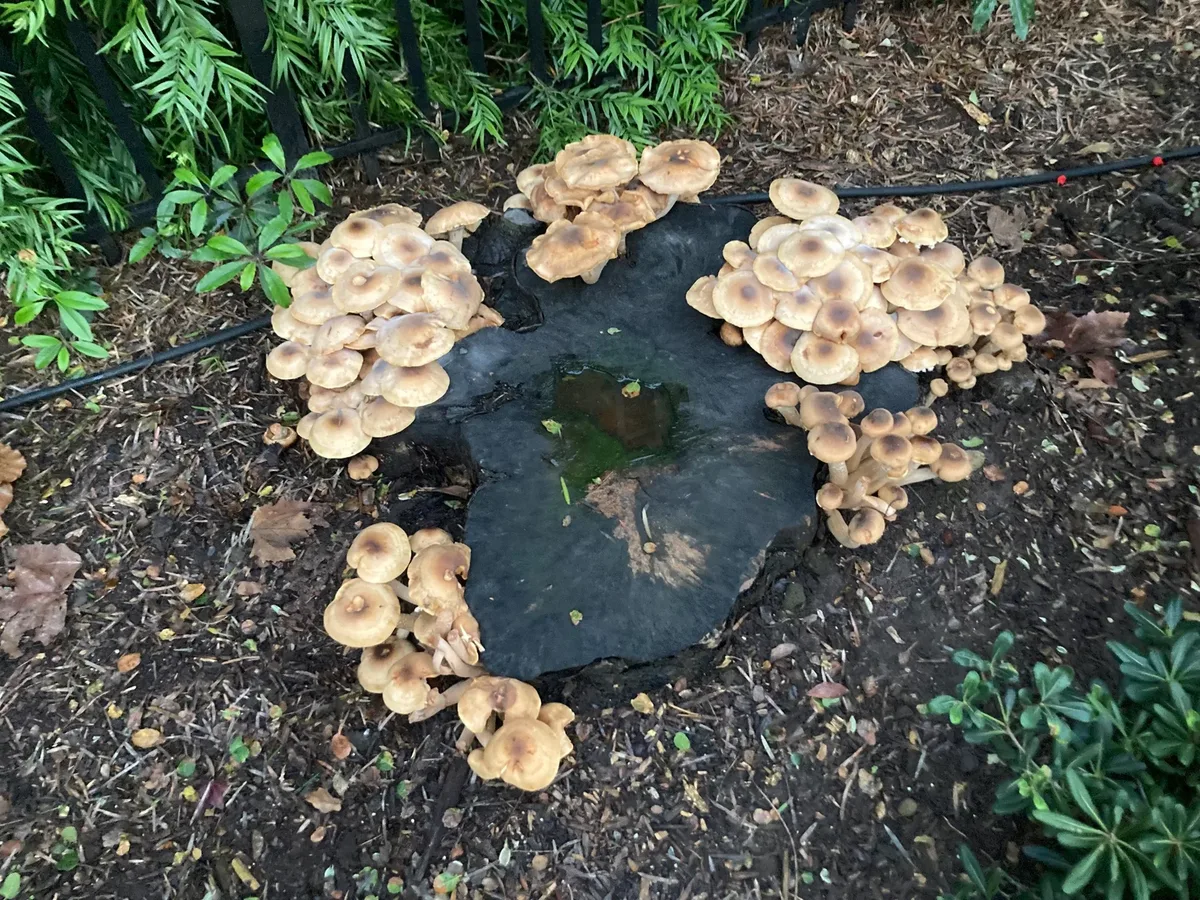 © dorian (CC BY-SA)
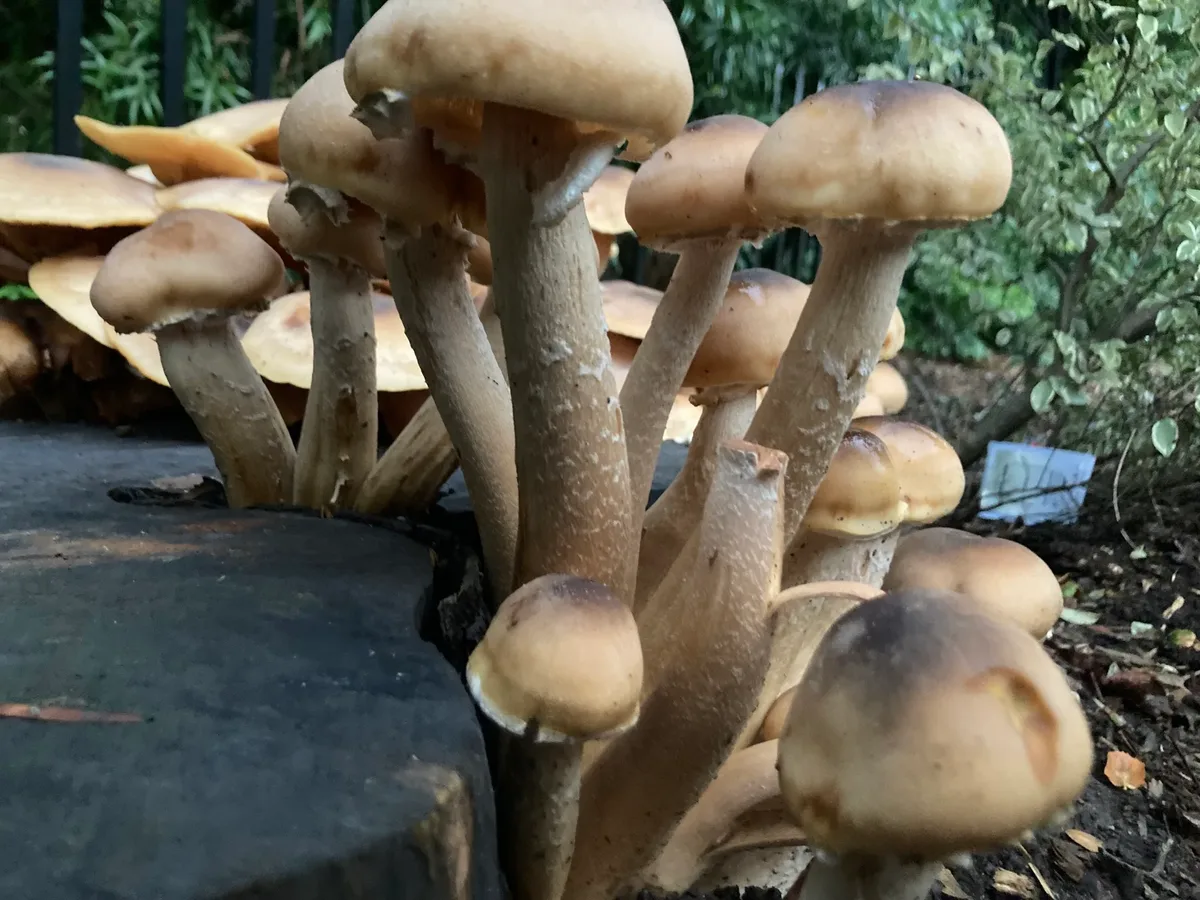 © dorian (CC BY-SA)
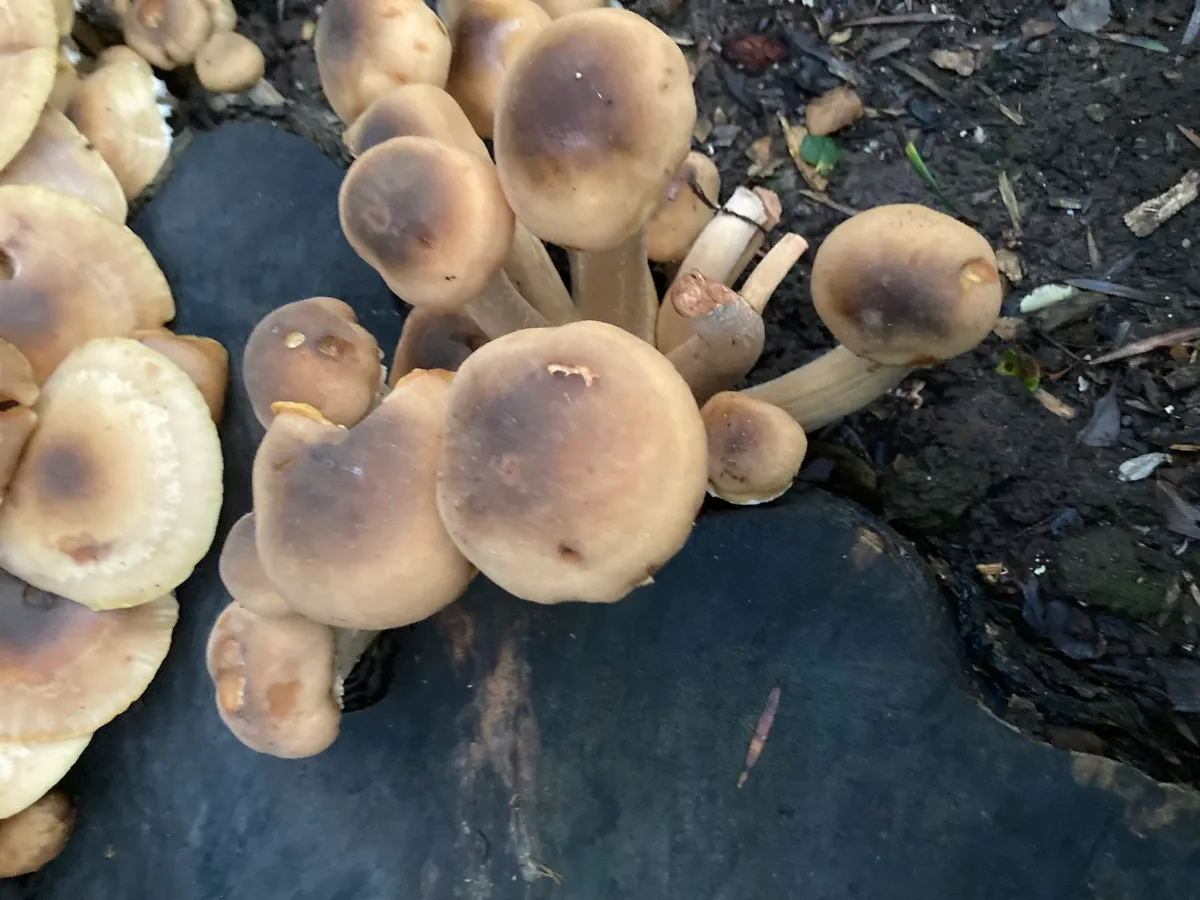 © dorian (CC BY-SA)
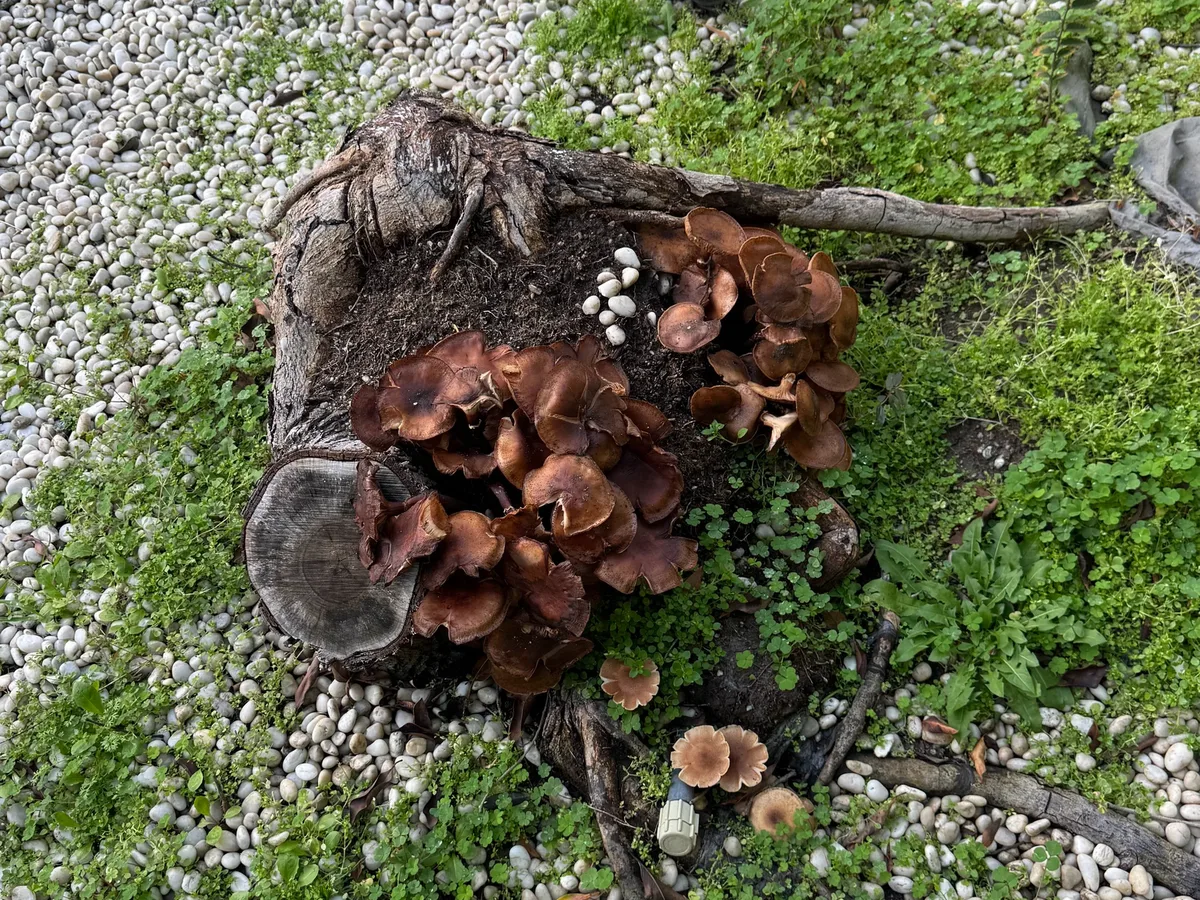 Kat (CC0)
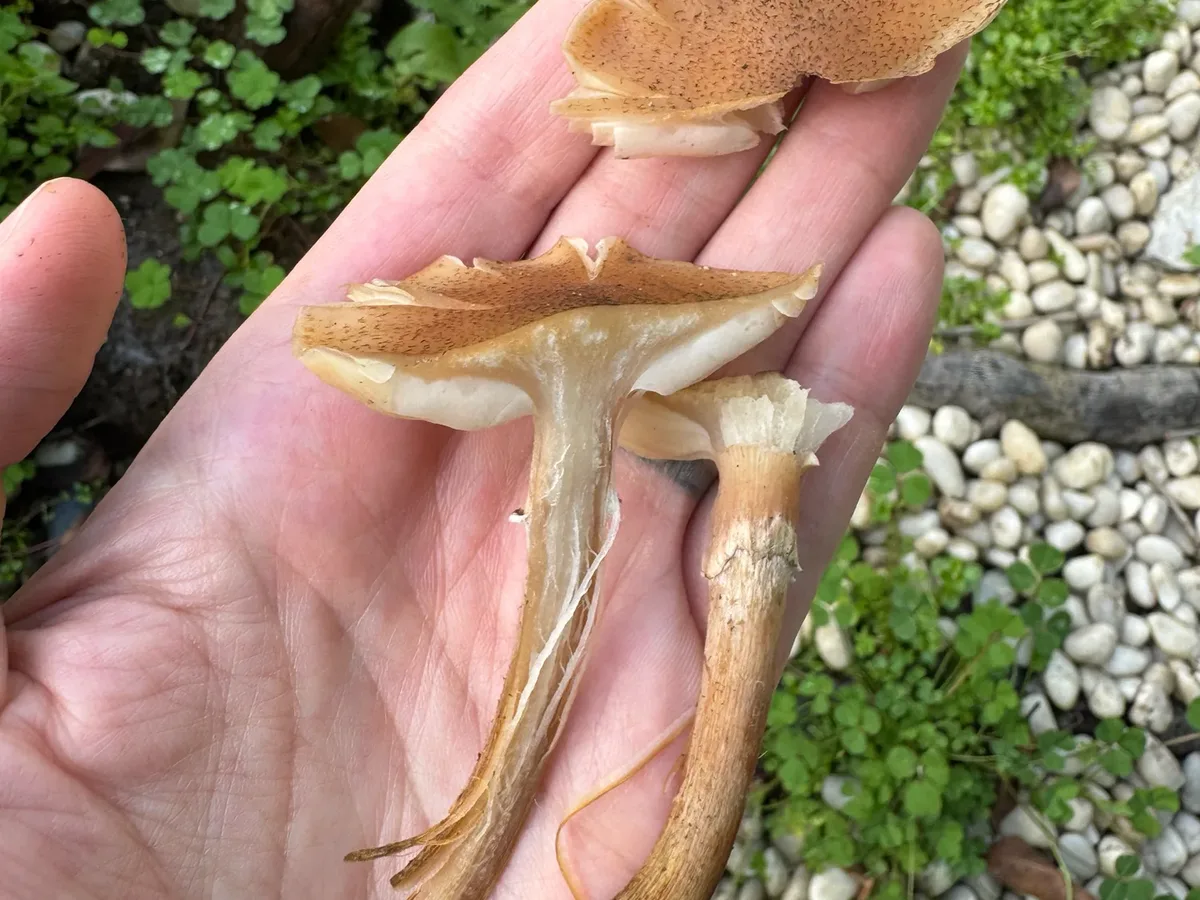 Kat (CC0)
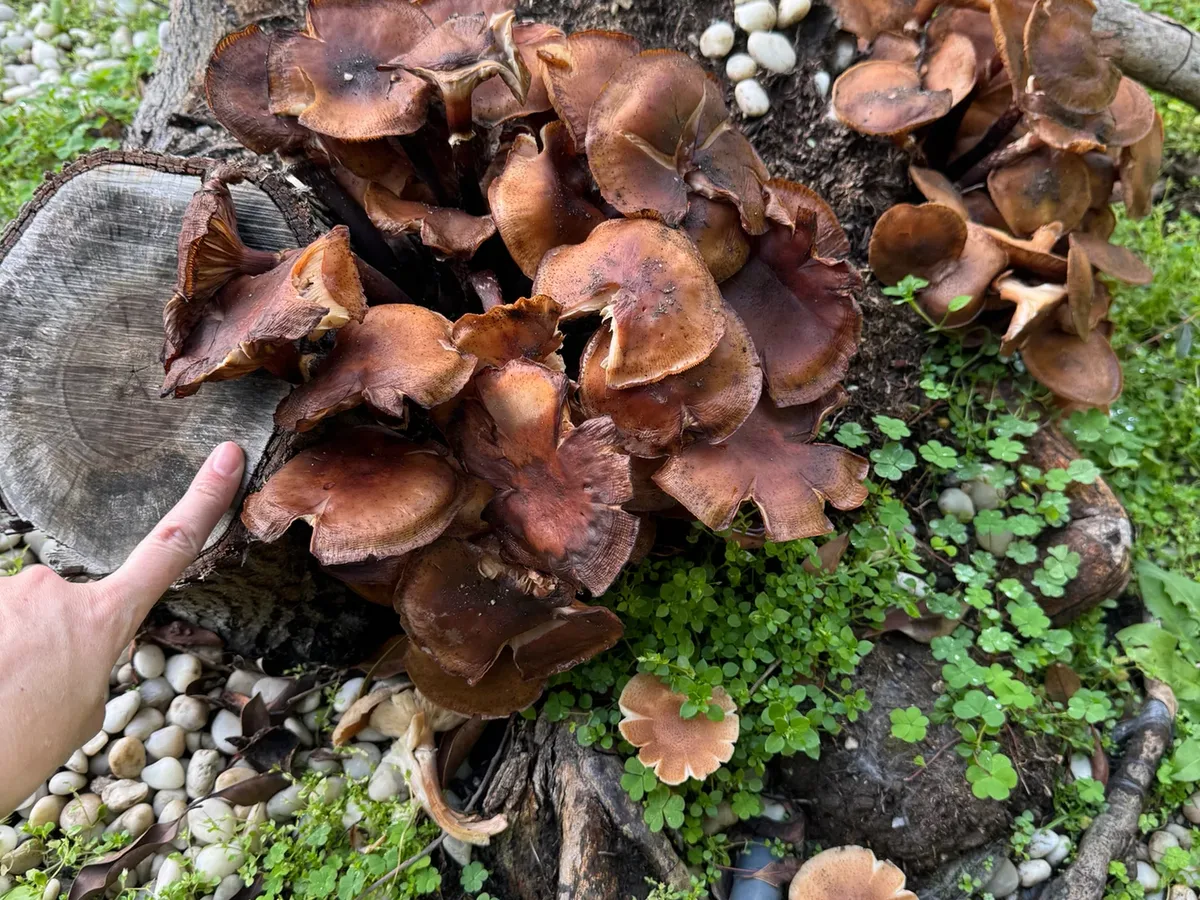 Kat (CC0)
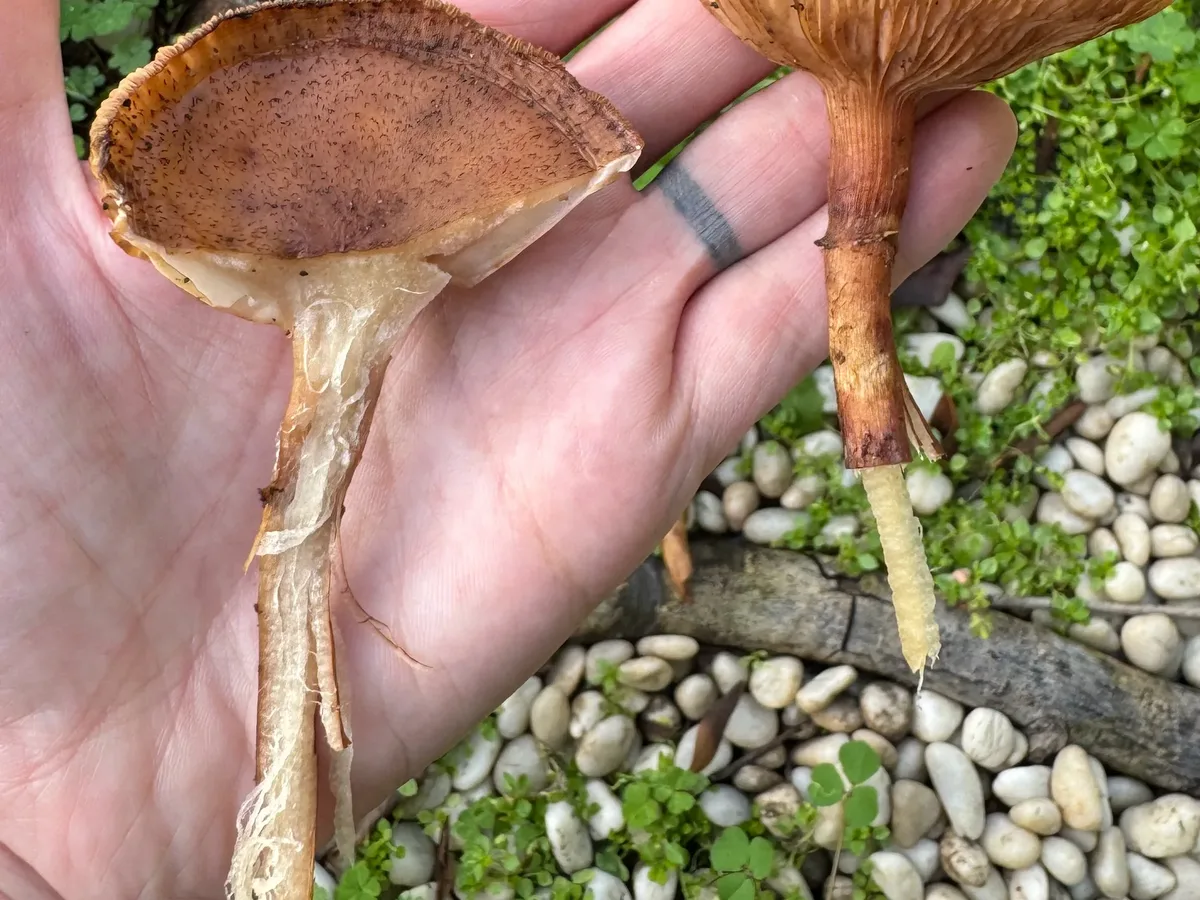 Kat (CC0)
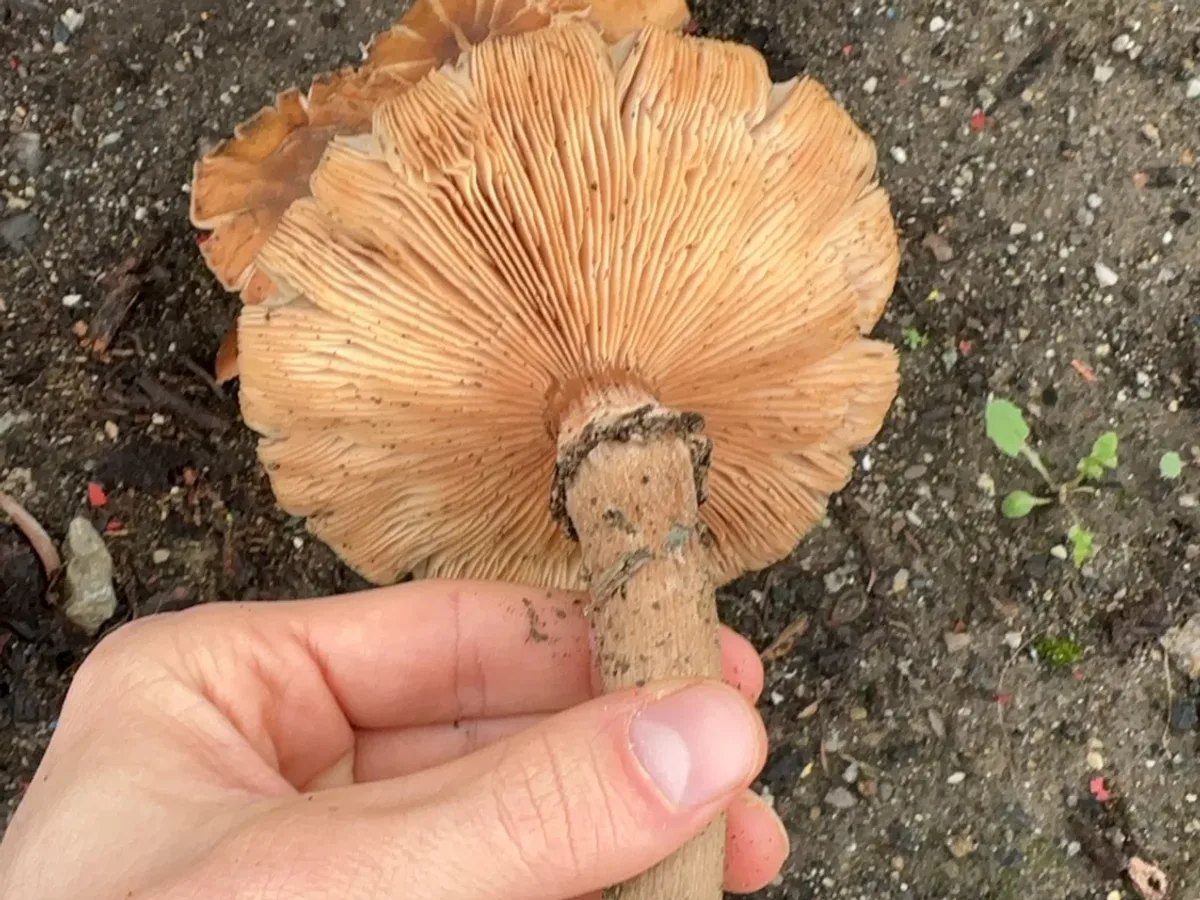 common_snowball (CC0)
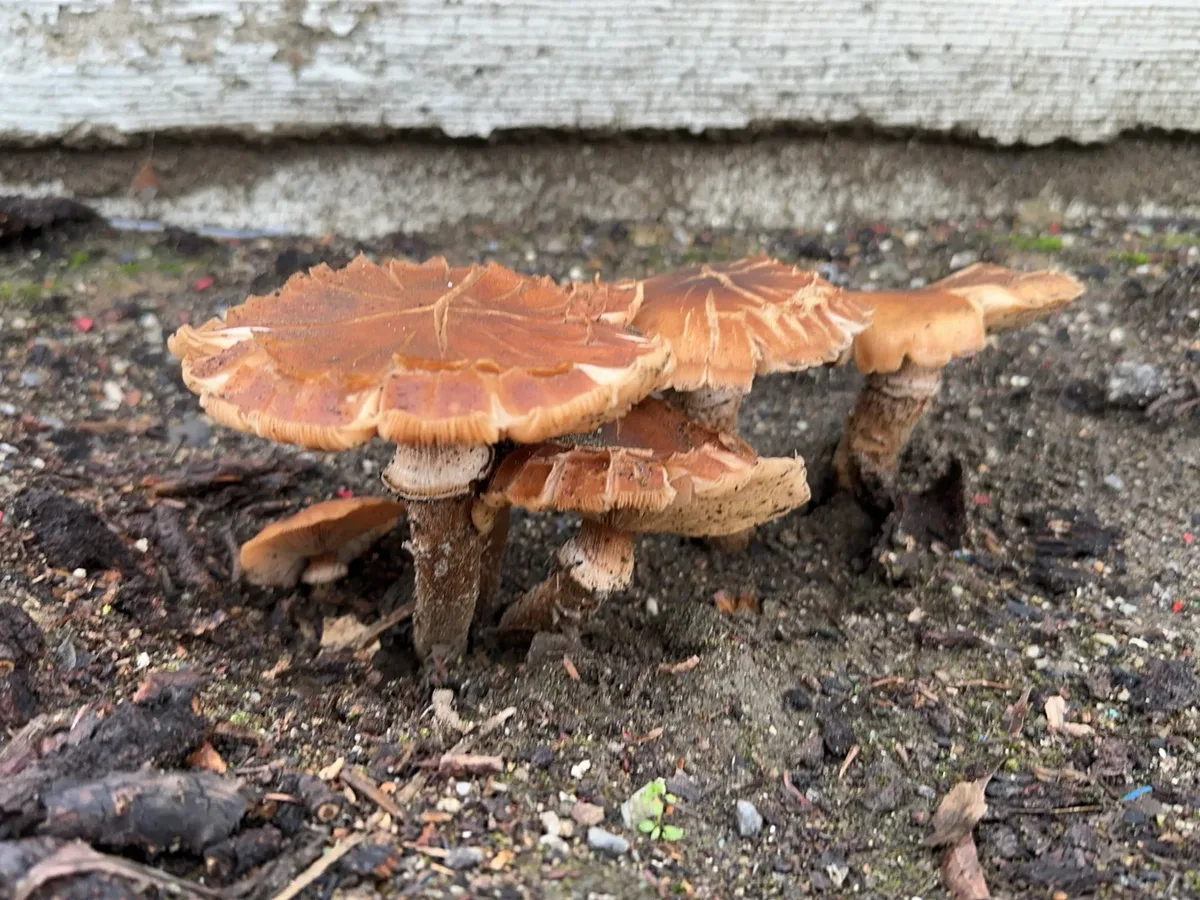 common_snowball (CC0)
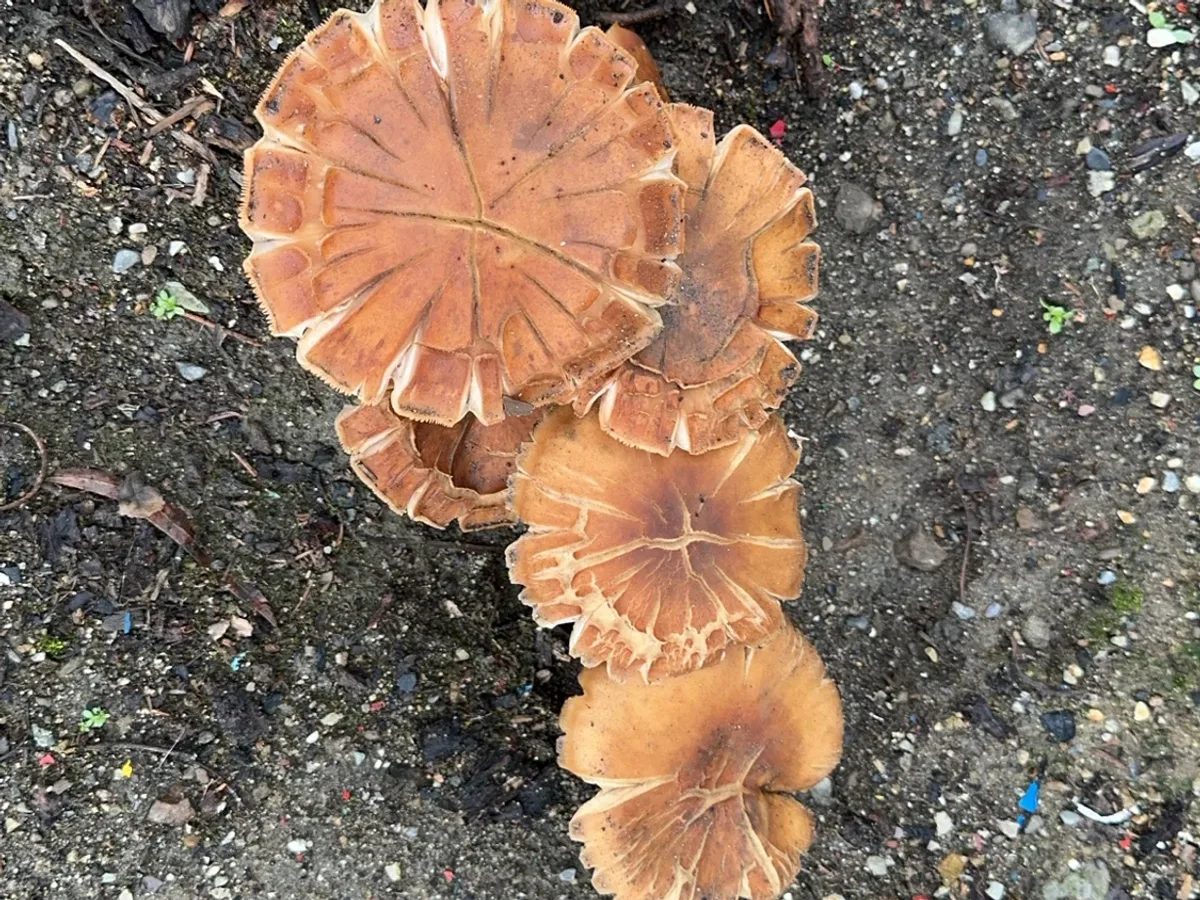 common_snowball (CC0)
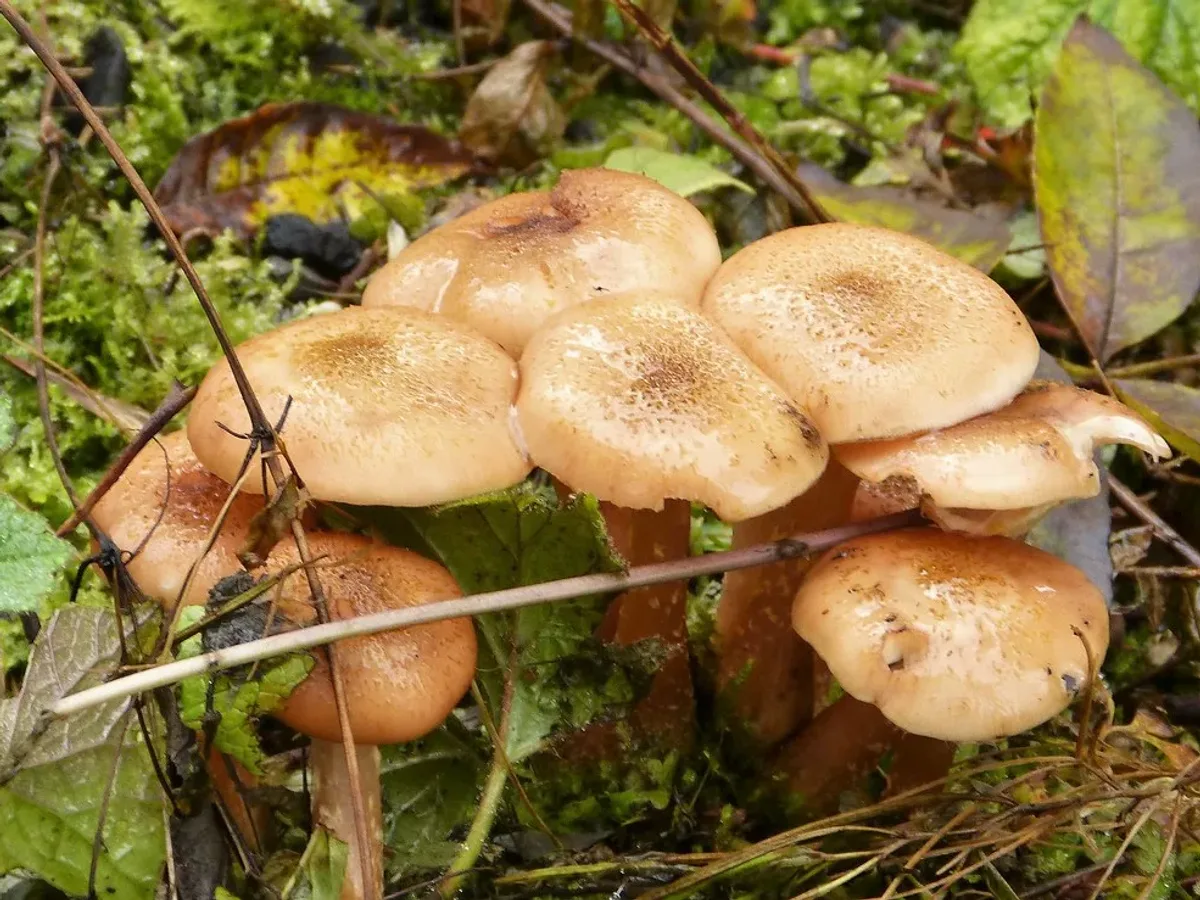 © gailhampshire (CC BY 2.0)
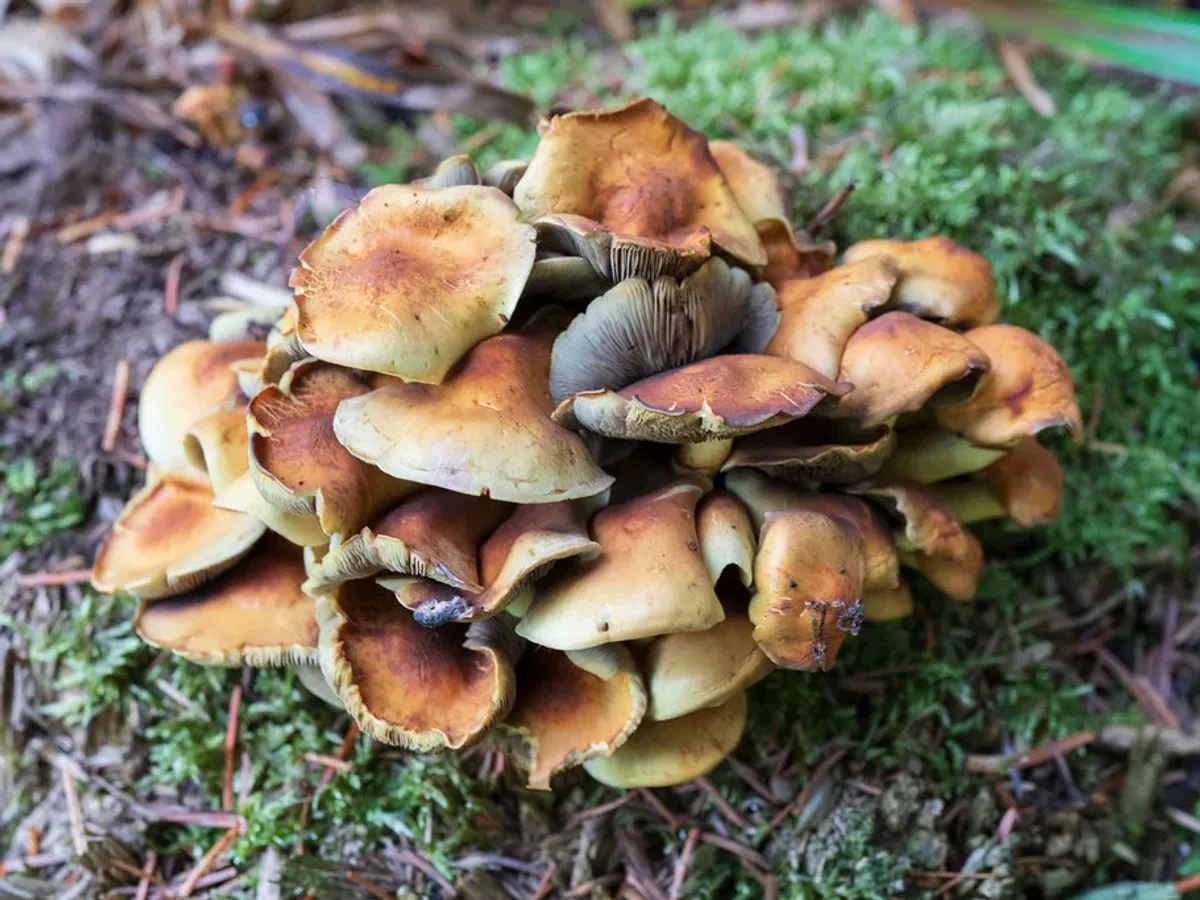 © jkiscycling (CC BY 2.0)
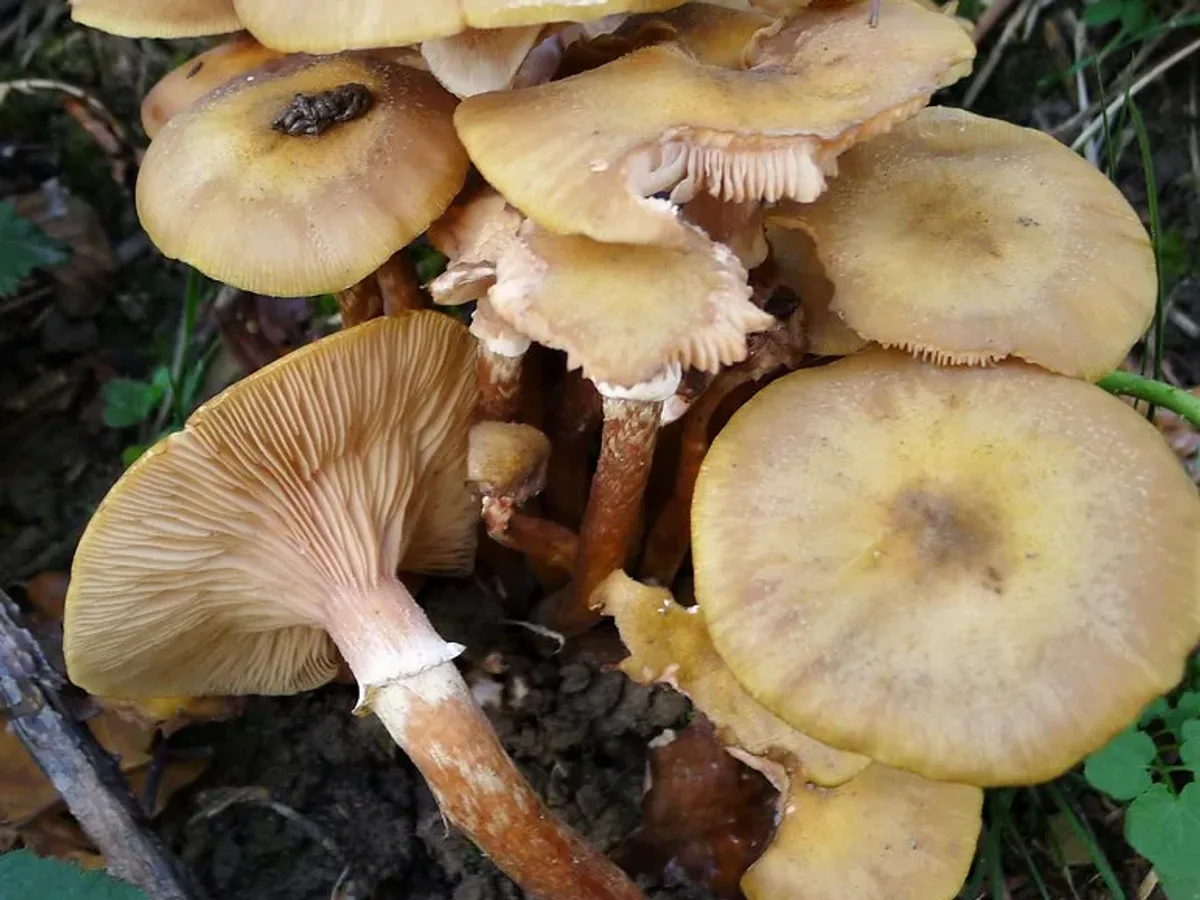 © gailhampshire (CC BY 2.0)
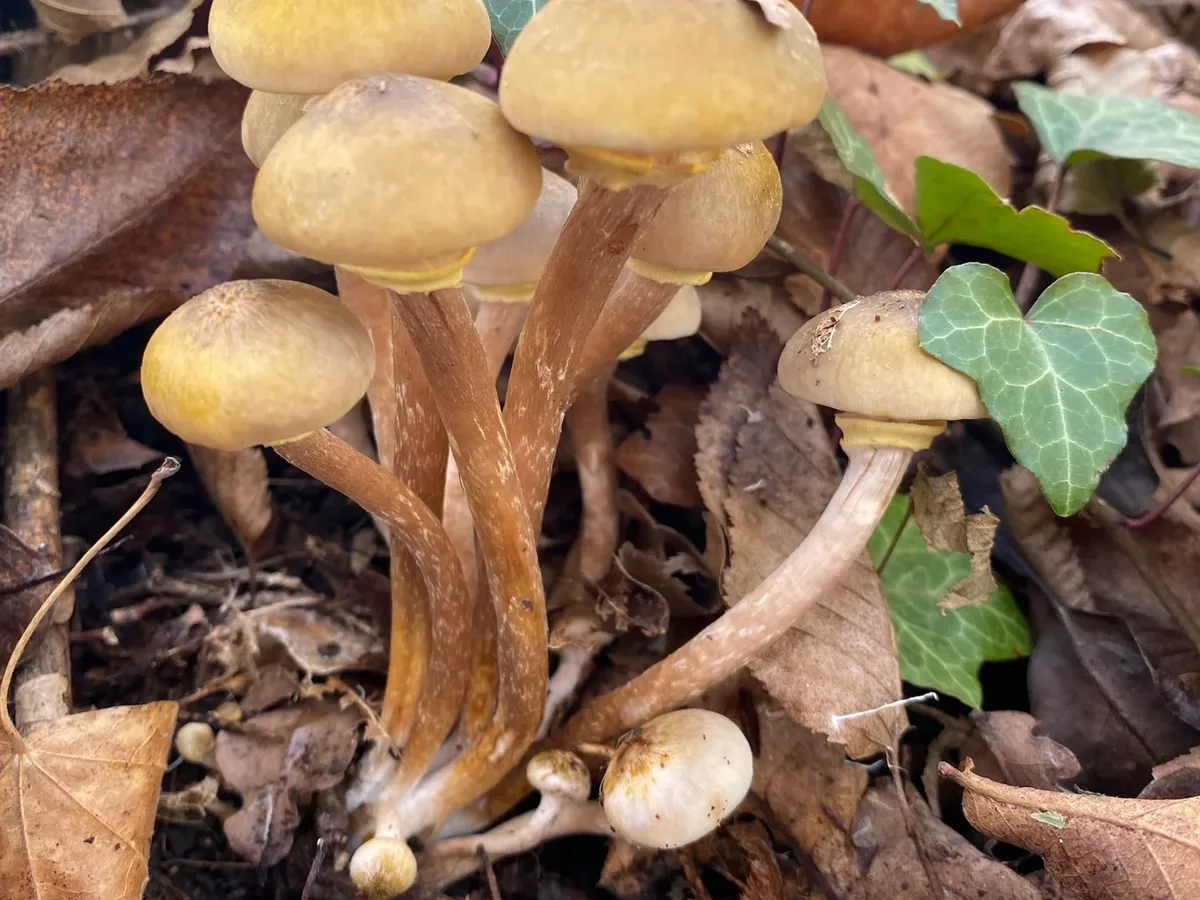 © Наталья Пикалова (CC BY 4.0)© Alex (CC BY 4.0)© gailhampshire (CC BY 2.0)
Good to eat, once you have identified it with certainty and cooked it through.
Never eat a mushroom you are not 100% sure of - check the look-alikes below, and always cook wild mushrooms.
How to recognise it
Cap
The cap of Armillaria mellea typically measures 3-15 cm across, though specimens on highly productive stumps can occasionally exceed that range. In youth the cap is convex and honey-yellow to warm tawny-brown, often paler toward the margin and deepening to a rich ochre-brown at the centre.
That centre is characteristically dusted with small, dark fibrous scales - remnants of the universal veil - which are most pronounced in young caps and may wash away in heavy rain on older ones. The cap surface is slightly viscid (sticky) in wet weather, becoming dry and shiny when conditions dry out.
Gills
The gills are adnate to slightly decurrent, close to crowded, and start out white or cream before slowly developing irregular yellow-brown spots and flecks as the fruitbody ages - a feature that becomes very obvious in older, fading specimens.
Stem
The stem is 5-15 cm tall, roughly 1-2 cm wide, cylindrical or slightly tapering below, and distinctly fibrous and tough in texture - far tougher than most gilled mushrooms.
Its most important feature is a well-formed, membranous ring (annulus) positioned high on the stem, white when fresh, sometimes developing a yellowish tinge with age.
The spore print is white - a critical field mark that separates it from the deadly Galerina marginata, which prints rust-brown.
Below ground and under bark, the colony extends itself through distinctive flat black rhizomorphs - the so-called bootlaces - that are firm, shiny, and may travel several metres through soil.
On very dark nights in autumn the mycelium left exposed on dead wood emits a faint cold greenish bioluminescence known as foxfire, produced by a luciferin-luciferase reaction that has fascinated observers for centuries.
Where & when it grows
Habitat
Armillaria mellea is one of Europe's most ecologically versatile wood-decomposers, functioning simultaneously as an aggressive root parasite of living trees and as a saprotroph on dead stumps and fallen logs. It colonises a remarkably wide host range - oak, beech, birch, hornbeam, ash, apple, cherry, pine, spruce, and many other both deciduous and coniferous species are susceptible.
The fungus typically announces itself by producing dense, overlapping clusters of fruitbodies at the base of stumps, at trunk wounds, or - strikingly - apparently rising straight from bare soil where buried roots lie beneath the surface.
In managed woodland and orchards the species is regarded as a serious pathogen; infected trees show progressive decline, with white fan-shaped mycelium visible under loosened bark at the root collar.
In natural and semi-natural woodland, however, Armillaria fulfils an essential decomposer role, converting wood cellulose and lignin into nutrients that are cycled back into the forest floor. The bootlace rhizomorphs allow the mycelium to bridge gaps between hosts through soil, colonising new substrates without relying on airborne spores alone.
It is found across lowland and montane forests throughout central and western Europe, and is particularly abundant in mixed deciduous woodland, hedgerow trees, orchards, parks, and gardens wherever established broadleaf or conifer trees are present.
When
Honey fungus is a reliable and often prolific autumn fruiter across its range in central and western Europe, with the main flush running from September through November.
The trigger for fruiting is a combination of declining air and soil temperatures and sustained rainfall. The mycelium that has been quietly spreading through wood and soil all year erupts into fruitbodies once soil temperatures drop below roughly 15 °C and a period of rain has provided adequate moisture.
In mild autumns fruiting can extend into December and occasionally even into early winter, while in cold years the season may be compressed to a narrow October window.
Flushes often appear suddenly and in very large numbers - a single stump can produce hundreds of caps over a few days - and then subside just as quickly if temperatures fall sharply.
Because the mycelium is perennial and deeply established, the same stump or root system typically fruits year after year in the same location, making productive spots reliably repeatable. After the first flush, a second or even third smaller flush may follow if weather conditions remain suitable.
Young, button-stage fruitbodies pushed up through leaf litter and moss are often the first sign of a flush before the caps have fully opened.
How it grows
The growth strategy of Armillaria mellea is unlike that of most woodland fungi. Rather than relying on a mycorrhizal partnership, it is a wood-decay specialist that obtains its carbon directly from living or dead plant tissue.
The mycelium grows through wood intercellularly, secreting cellulases and ligninases that break down the structural polymers of the host.
On the surface of roots and under bark it forms distinctive white mycelial fans - flat, papery sheets of hyphae visible when bark is peeled away from a colonised root. It extends between hosts through flat black rhizomorphs that can grow at rates of up to a metre per year under favourable conditions.
The genus Armillaria is famed for producing some of the largest and oldest known organisms on Earth. A single individual of the related species Armillaria ostoyae in the Malheur National Forest, Oregon, is estimated to cover over 900 hectares and be thousands of years old.
European Armillaria individuals are more modest but still potentially centuries old, with a single genet spreading extensively through a forest stand long before producing its first fruitbodies.
The fruitbodies themselves develop rapidly once initiated - caps can expand from pinhead to full size in under a week - but the bulk of the organism's biomass remains hidden as mycelium and rhizomorphs, an iceberg of fungal tissue whose aboveground expression is only a fraction of the whole.
Fruiting conditions
Autumn fruiter triggered by cooling temperatures and rain; flushes from established wood-rotting mycelium at stumps and roots.
Look-alikes
The most dangerous lookalike is deadly galerina (Galerina marginata), a small to medium brown mushroom that also grows on wood, often in clusters that superficially resemble honey fungus.
Galerina marginata contains alpha-amanitin, the same deadly amatoxin responsible for the majority of fatal mushroom poisonings worldwide; there is no antidote and liver failure can be fatal without transplant.
The single most reliable distinguishing feature is the spore print: Galerina marginata prints rust-brown to cinnamon-brown; honey fungus prints white. Both species can carry a ring on the stem, but Galerina is generally much smaller (cap 1-5 cm, slender fragile stem), brown-gilled from the outset, and lacks the dark scaly cap centre typical of honey fungus.
Never eat any wood-dwelling brown-gilled cluster mushroom without first taking a spore print.
The second significant lookalike is sulphur tuft (Hypholoma fasciculare), which grows in dense clusters on stumps and logs and can resemble honey fungus at a glance. It is distinguished by its distinctly yellow-green gills (never white or cream), its intensely bitter taste (do not swallow), and its purple-brown spore print. Hypholoma fasciculare is poisonous - it causes gastrointestinal illness and in large doses can cause more serious nervous system effects.
A third species sometimes confused at the collection stage is the sheathed woodtuft (Kuehneromyces mutabilis), which is actually edible but also bears a ring and grows on wood; it is smaller, hygrophanous (two-toned, drying from the centre), and prints rust-brown - again, the spore print is decisive.
The rule in all cases: do not harvest any small brown wood-dwelling mushroom without a confirmed white spore print and visible dark scales on the cap.
Small, brown, also grows on wood and contains deadly amatoxin. Has a rust-brown spore print, whereas honey fungus has a white spore print - always take a spore print.
Deadly, contains amatoxin; also grows on wood and resembles small honey mushrooms. Take a spore print: Galerina marginata produces a rust-brown print; honey fungus produces a white print. Taste is not a reliable differentiator - Galerina also has a mild taste and must never be used as a distinguishing cue.
Yellow-green gills, bitter taste, poisonous.
In the kitchen
Picking & cleaning
Select young, firm-capped specimens whose gills are still white or only lightly spotted - these have the best texture and the mildest flavour, and they will hold up better in cooking. Older caps with heavily spotted or browning gills are still safe once cooked but become softer and less pleasant.
The stems are notably tough and fibrous, and most foragers discard them or reserve them for stock; only the very youngest, most tender stems are worth eating.
Before collecting, confirm the white ring is intact and visible, and take a spore print from a fresh cap - the print must be white, not rust-brown, before you proceed with any harvest.
Cut or twist gently at the base, avoiding pulling up soil. The clusters can be large and heavy; take only what you can cook within a day or two, as honey fungus softens quickly in storage.
In the field, keep suspect specimens in a separate bag until identification is fully confirmed. Because this species grows in dense clusters, it is easy to mix in neighbouring fungi growing at the same stump - examine every cap individually before cooking.
Cooking
After the mandatory parboil and water discard, honey fungus is a versatile and rewarding ingredient. The texture is meaty and firm - the caps hold their shape through extended cooking in a way that many cultivated mushrooms do not - and the flavour is mild, earthy, and faintly sweet, becoming more concentrated when cooked down in a pan.
The classic preparation across central and eastern Europe, and particularly in Italy where the species is sold in markets under the name chiodini, is to par-boil and then fry in butter or olive oil with garlic and parsley; the small, firm young caps are well-suited to this treatment.
In stews, ragùs, and soups the mushrooms contribute both texture and a deep autumnal flavour, absorbing the surrounding liquid without disintegrating.
Pickling is a major traditional use: after parboiling, the caps are preserved in jars with vinegar, salt, bay, and peppercorns, producing a condiment that keeps for months and is served as an antipasto or a side dish alongside meat. In Eastern European cooking they are similarly preserved and eaten through winter as a reminder of the autumn forest.
Drying is possible but the results are more variable than with species such as porcini - the texture becomes somewhat leathery and the flavour more pungent - so drying is better reserved for caps intended for soups or stocks where rehydration and long cooking will soften them.
Because raw honey fungus is toxic, it must never be used in preparations that are served uncooked or only briefly warmed.
Good to know
Honey fungus is toxic when raw or insufficiently cooked. The responsible compounds - primarily sesquiterpene aryl esters such as melleolides - are thermolabile and are deactivated by thorough heat, but they cause significant gastrointestinal distress if the mushroom is eaten raw, lightly sautéed, or parboiled for too short a time.
The standard safe preparation is a full boil for at least 15-20 minutes in a generous amount of water, which must then be discarded. Only after this preliminary step should the mushroom be used in further cooking.
Even correctly prepared honey fungus causes gastric upset - nausea, vomiting, or diarrhoea - in a proportion of consumers, particularly those eating it for the first time or consuming a large quantity. For this reason the general advice is to eat a modest amount at the first sitting and wait to assess your individual tolerance before eating larger portions.
The species is not recommended for children, pregnant people, or anyone with a sensitive digestive system.
Separately and importantly, the deadly lookalike Galerina marginata contains alpha-amatoxins that are not destroyed by cooking. The hazard in harvesting honey fungus is therefore not only insufficient cooking but accidental inclusion of Galerina caps in the basket.
A spore print check (white = honey fungus; rust-brown = Galerina) before cooking is a non-negotiable safety step.
A reference guide - never an edibility guarantee. When in doubt, leave it out.