Destroying angel
Amanita virosa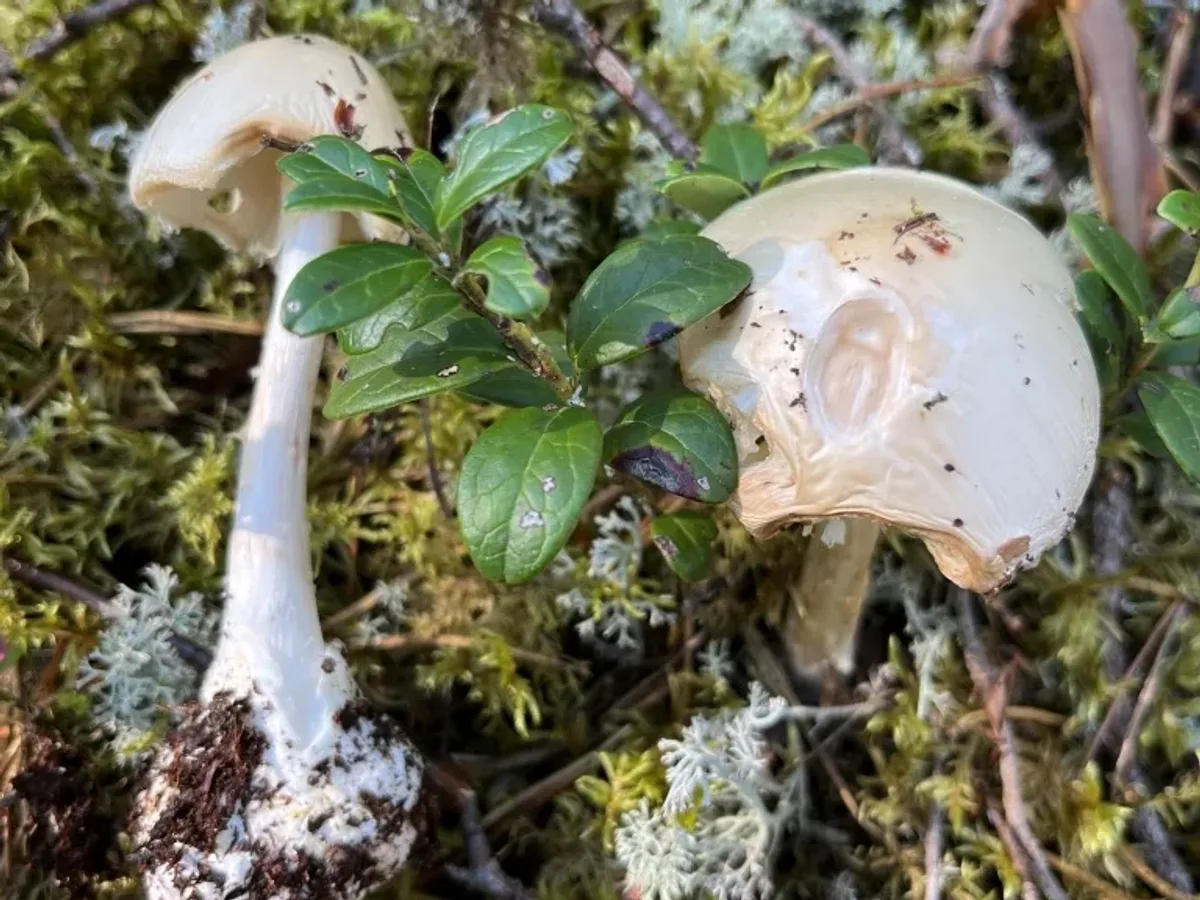 © Siv Moen (CC BY)
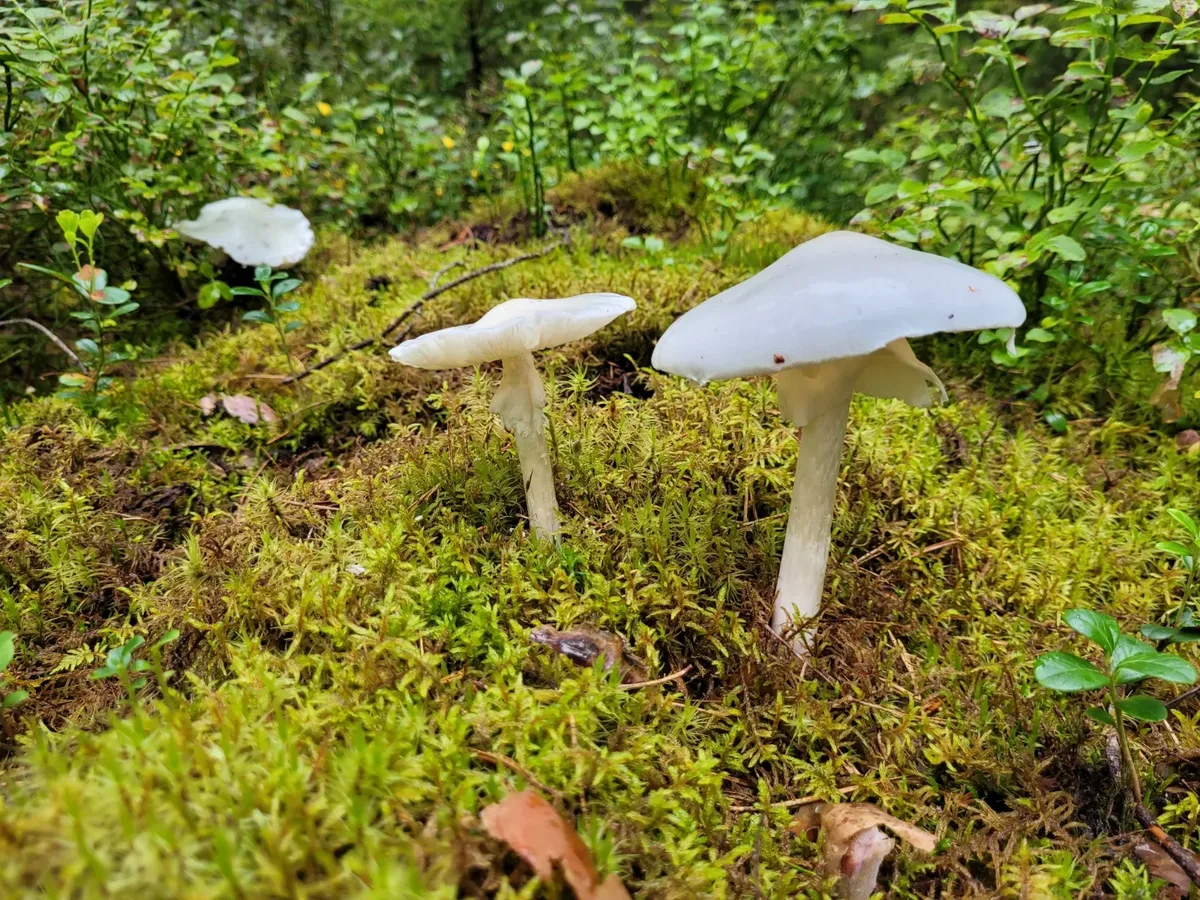 © Ellen Christensen (CC BY)
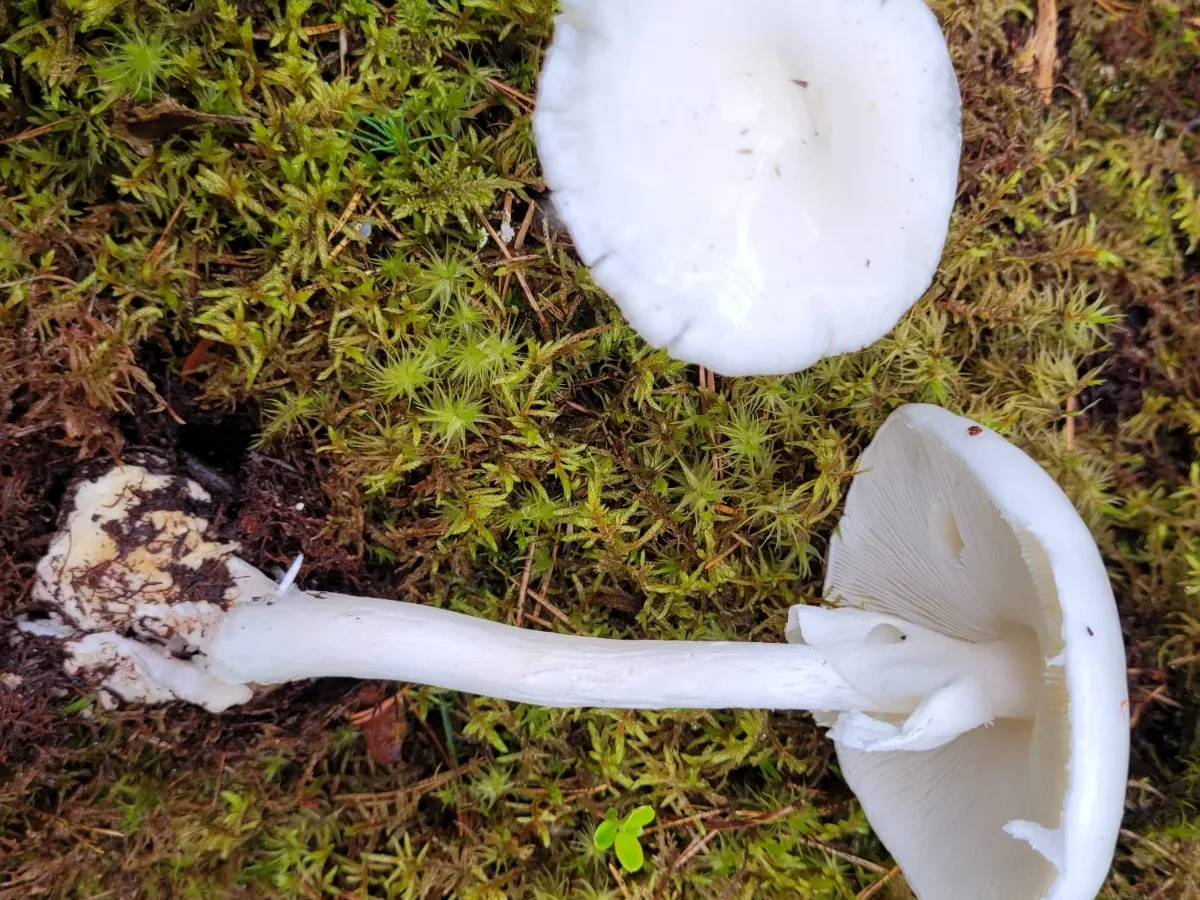 © Ellen Christensen (CC BY)
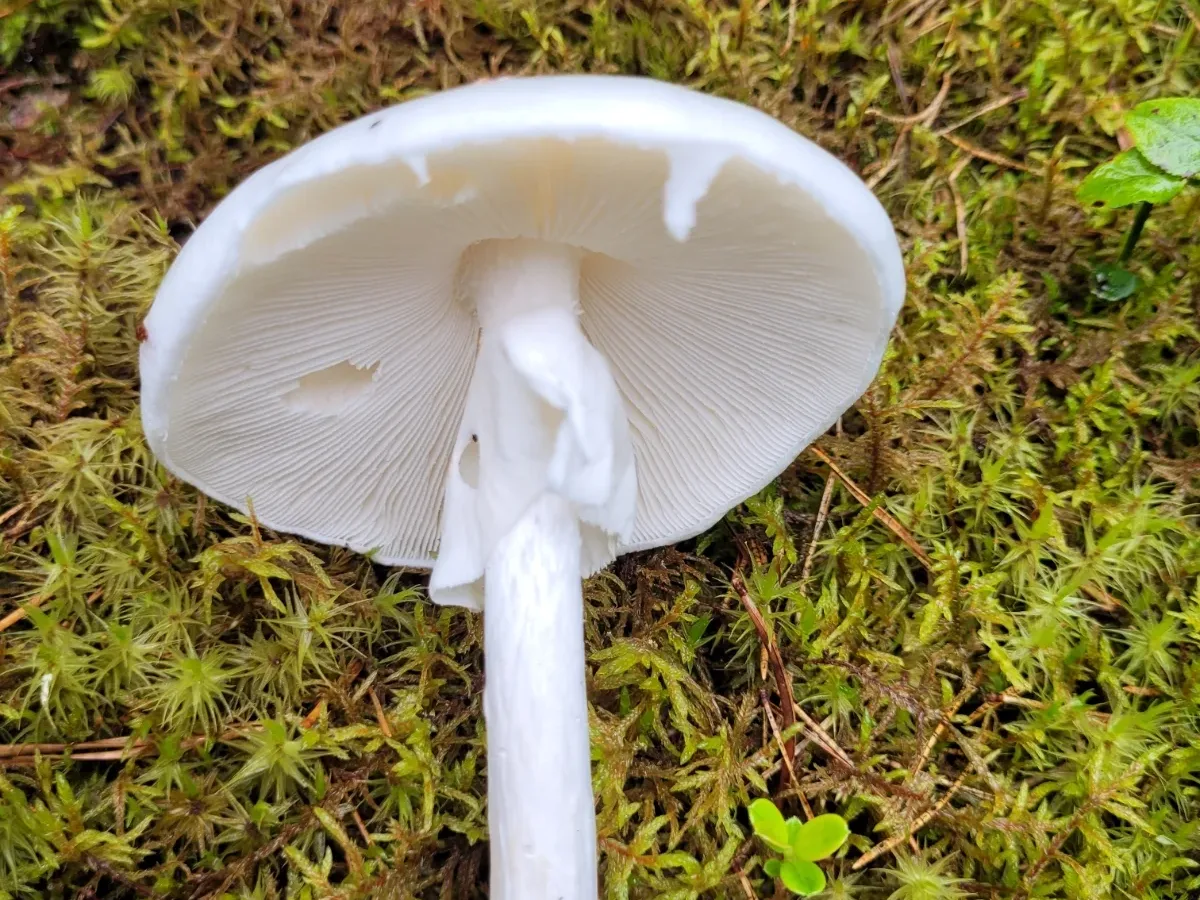 © Ellen Christensen (CC BY)
 © Ulrik Andreassen (CC BY)
 © Rune Zakariassen (CC BY)
 © Rune Zakariassen (CC BY)
 © Rune Zakariassen (CC BY)
 © Rune Zakariassen (CC BY)© Siv Moen (CC BY)© Ellen Christensen (CC BY)
Toxic - and the most serious cases can be fatal. Never eat it, and wash your hands after handling.
Never eat a mushroom you are not 100% sure of - check the look-alikes below, and always cook wild mushrooms.
How to recognise it
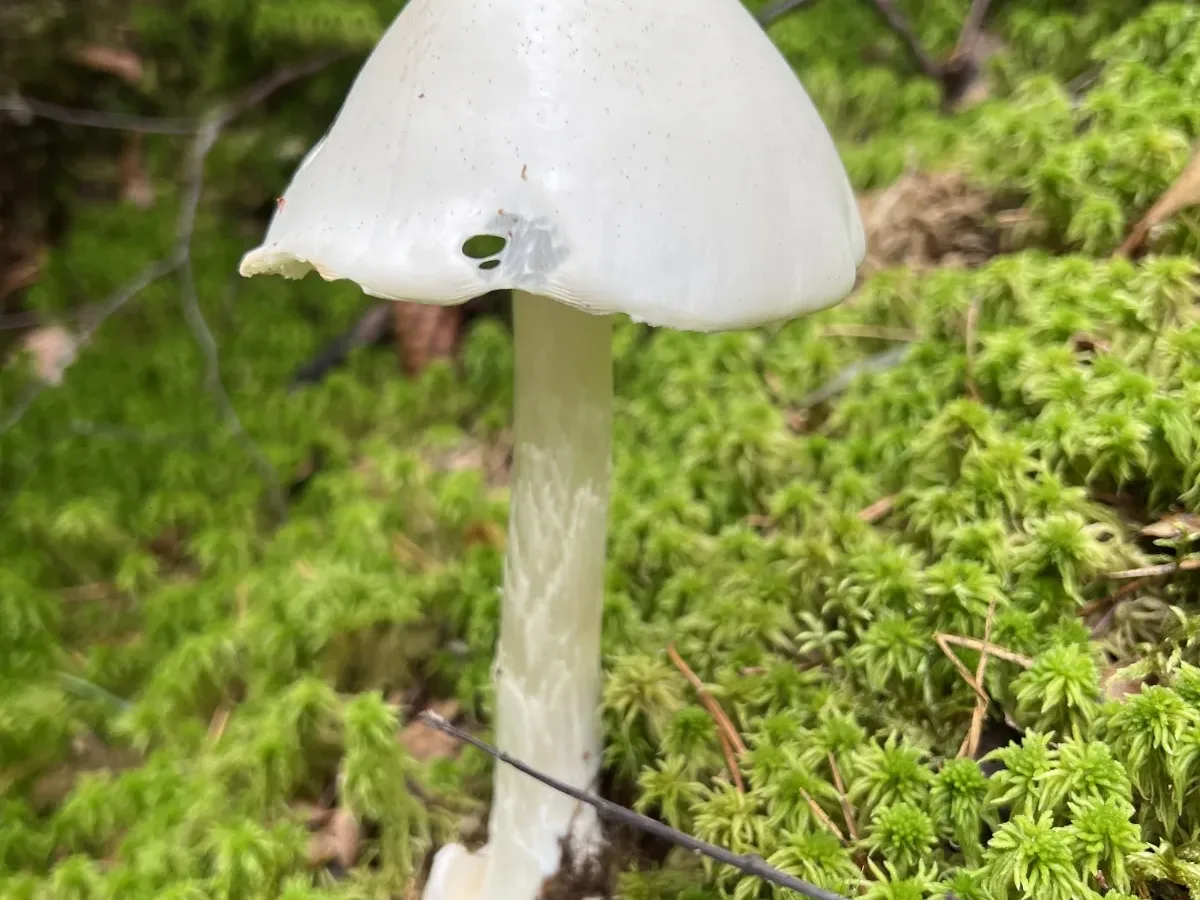
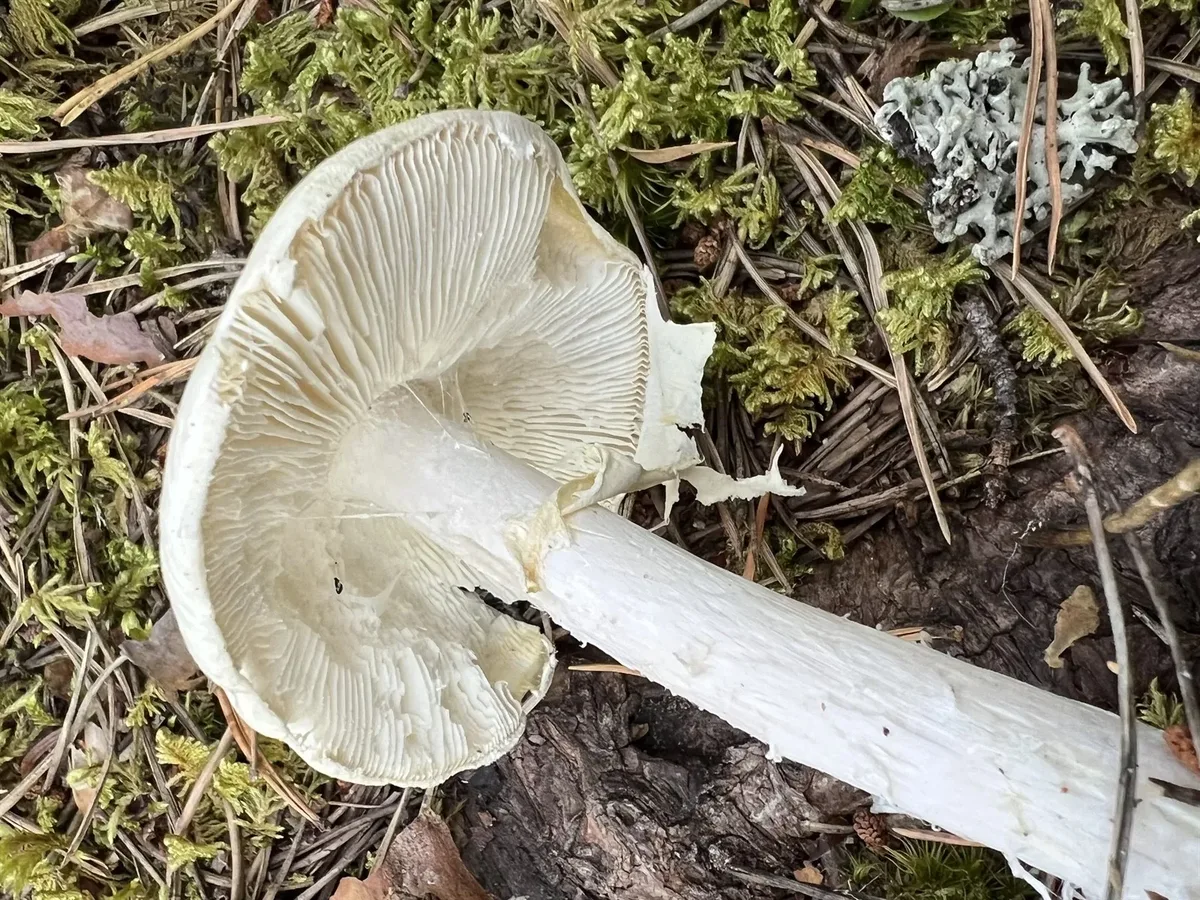
Amanita virosa is entirely, unvaryingly white - cap, gills, stem, ring, volva, and spore print all share the same clean absence of colour. This monochrome constancy is itself one of its most dangerous features, because it reads as pristine and unambiguous where other deadly species at least have variable tones that might prompt caution.
Cap
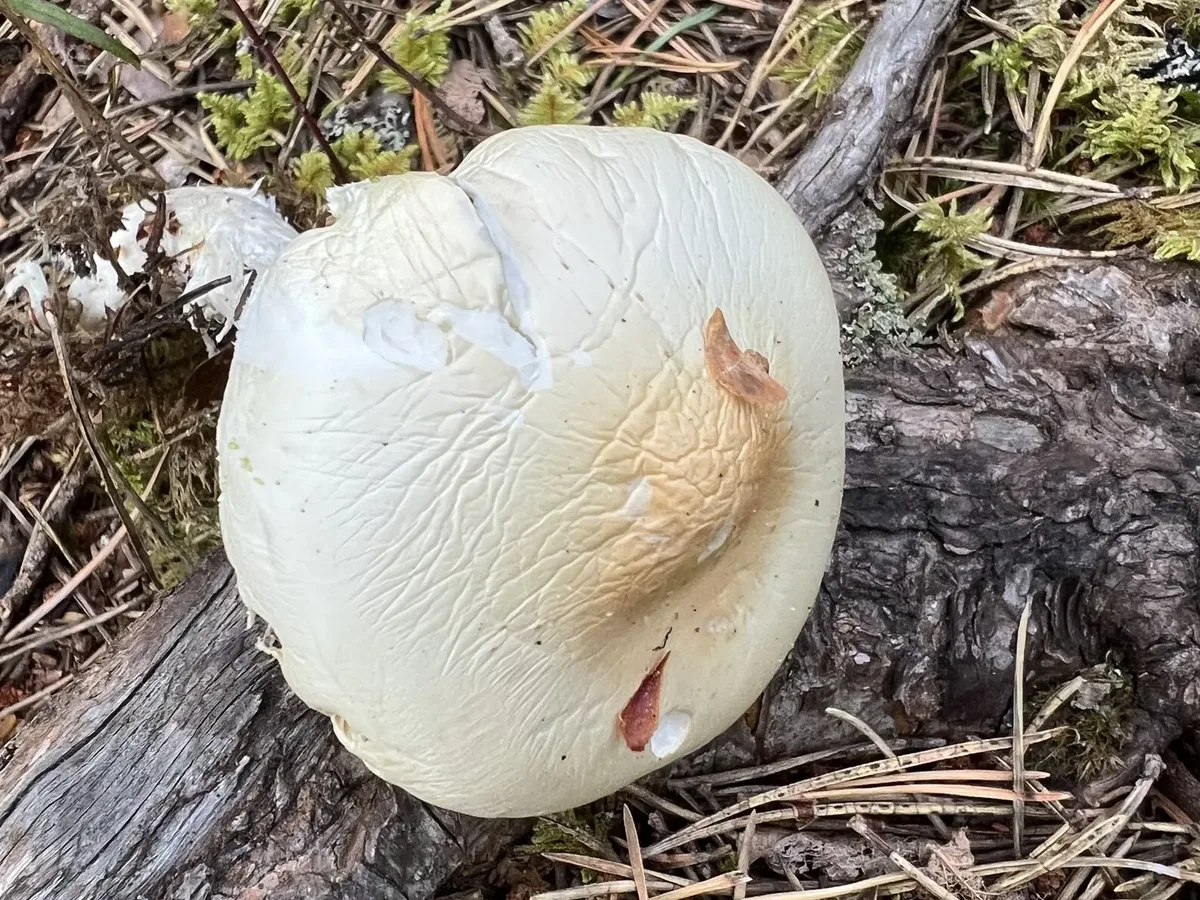
The cap measures 5-12 cm and passes through a sharply defined set of stages. At first it is a smooth white egg partly or wholly buried in leaf litter, looking like a small rounded stone.
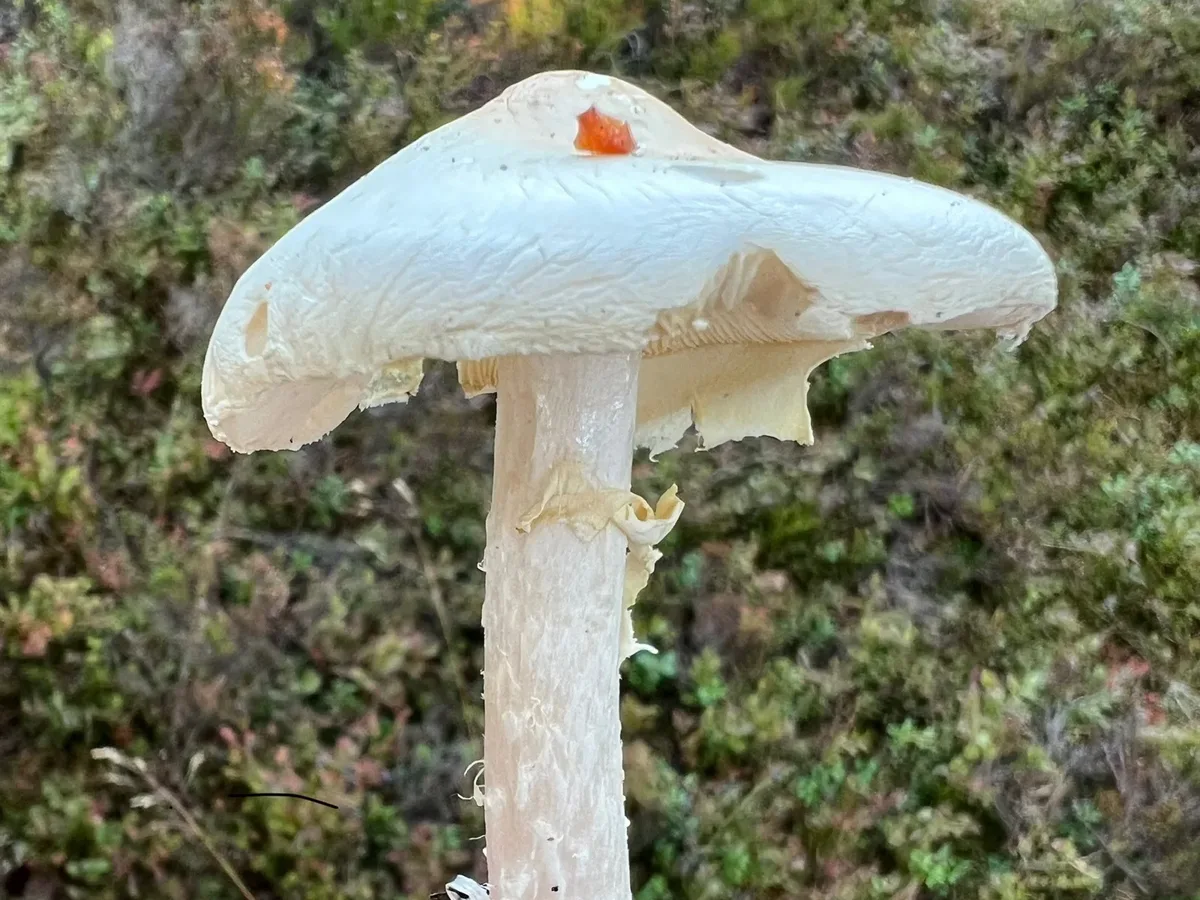
As the universal veil ruptures, the cap emerges conical or umbonate - a low, pointed dome - and then expands over one to three days to broadly convex and finally almost plane, often retaining a soft low umbo at the centre.
The surface is smooth or very faintly silky, sometimes slightly sticky in damp weather. It does not develop scales or patches of universal veil remnant on the cap itself, in contrast to the warts of Amanita muscaria or the patches of Amanita pantherina.
Gills
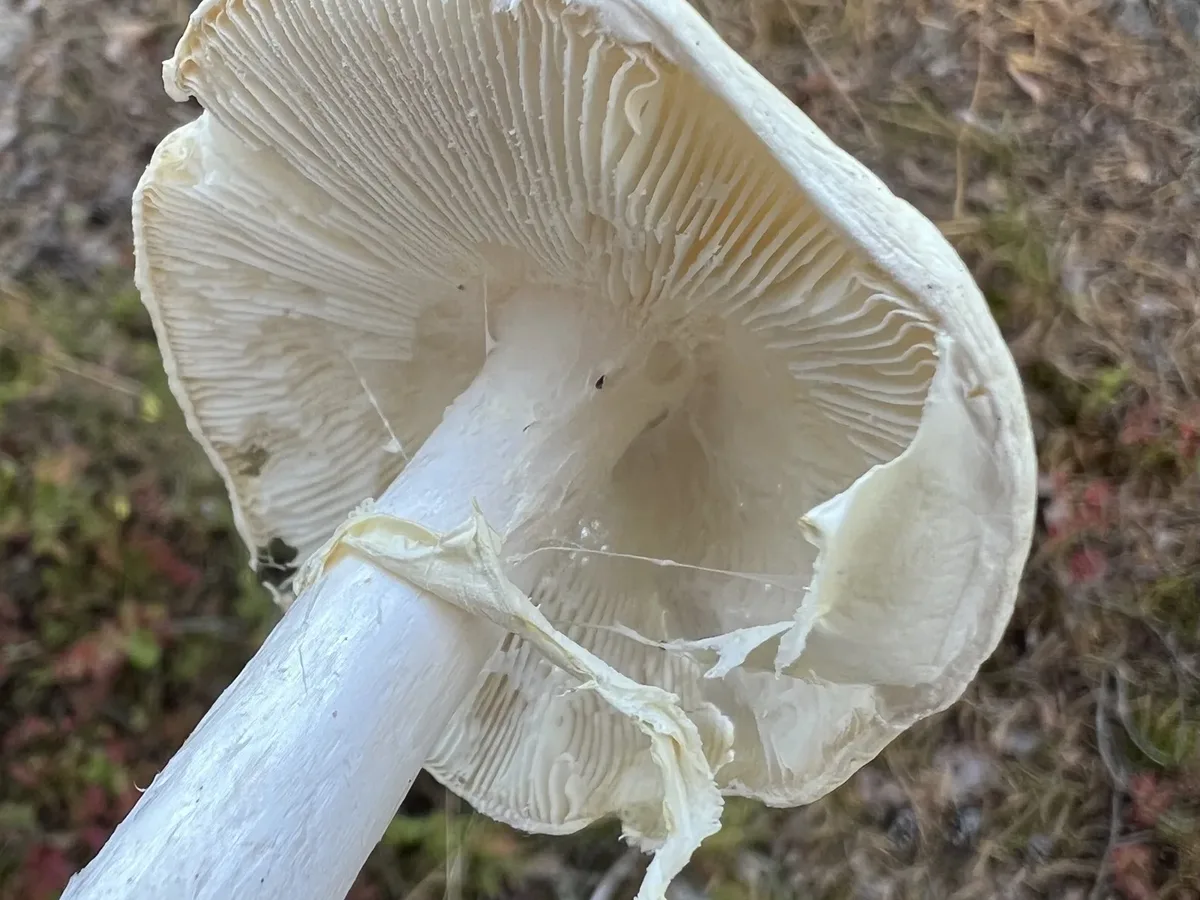
The gills are white, closely spaced, and free from the stem - they do not run down it and do not attach to it; in a cross-section cut you see a distinct gap between the gill edge and the stem surface.
The gills remain white throughout the mushroom's life; they do not pink, brown, or grey at any stage.
Stem
The stem is 8-15 cm tall and 1-1.5 cm in diameter, white, finely fibrous-textured, and sometimes gently sinuous or curved. It bears a fragile, membranous ring (annulus) set relatively high on the stem as a remnant of the inner partial veil.
The ring is white, thin, and tends to collapse or shred with age, sometimes clinging to the upper stem as a ragged skirt rather than a clean collar.
At the base the stem arises from a conspicuous sac-like volva - a membranous, lobed, bag-like cup that is the most diagnostically important structure on the whole mushroom. It is routinely buried 3-6 cm below the soil surface or concealed in deep leaf litter, making it invisible to anyone who picks without digging.
The volva is soft, white, and entirely free, wrapping the bulbous base like a deflated balloon.
The spore print is white. KOH solution applied to any part of the flesh or cap surface produces a yellow reaction - a chemical test useful in borderline identifications.
Smell & taste
Older specimens develop a faint, slightly unpleasant smell, variously described as sweetish-rotten, faintly honey-like, or mildly disagreeable; young buttons are odourless.
Why it's dangerous
Amanita virosa is one of the most lethal organisms in European woodland. Amatoxin poisoning - of which it is, alongside Amanita phalloides, the principal European cause - is responsible for more than 90% of fatal mushroom poisonings worldwide.
A single cap contains a lethal dose for an adult human. The hazard is not theoretical or edge-case: it operates at the realistic quantities encountered in foraging, where a single overlooked white mushroom in a basket can contaminate and render lethal an entire meal.
The delayed onset is a structural property of the toxin's mechanism, not a mild feature of the clinical course: by the time symptoms begin, a damaging dose has already been absorbed and hepatocyte destruction is already underway. The false improvement phase has directly caused deaths by leading patients and clinicians to underestimate severity.
If there is any possibility that a person has eaten Amanita virosa or any unidentified white-gilled mushroom found in woodland, emergency services must be contacted immediately - do not wait for symptoms.
- All mushroom remains, cooking liquid, vomit, and food scraps should be preserved for identification.
- Clinical staff must be told explicitly that amatoxin poisoning is suspected, so that administration of silibinin (an antidote that competes for hepatic uptake of α-amanitin and reduces ongoing hepatocyte loading) can be initiated as early as possible, and so that a liver transplant centre can be placed on alert.
The window in which silibinin is effective is narrow: outcomes in published case series deteriorate sharply when treatment is delayed beyond 24-36 hours after ingestion.
There is no antidote that reverses toxin already bound to RNA polymerase II and already causing hepatocellular destruction. In severe cases, emergency orthotopic liver transplantation is the only life-saving option remaining.
The single most important preventive rule, supported by all European mycological safety bodies, is: never eat a white mushroom with white gills, a ring on the stem, and a sac-like cup at the base.
Toxin
The primary toxins are amatoxins, the same family of cyclic peptide poisons responsible for nearly all fatal mushroom poisonings worldwide.
The dominant and most lethal member is α-amanitin (alpha-amanitin), a bicyclic octapeptide. It acts as a highly specific, irreversible inhibitor of RNA polymerase II - the enzyme that transcribes nuclear DNA into messenger RNA in all eukaryotic cells.
By locking this enzyme in a non-functional state, α-amanitin halts protein synthesis in any organ that concentrates it, principally hepatocytes in the liver and proximal tubule cells in the kidneys.
A single mature fruitbody of Amanita virosa may contain 5-15 mg of total amatoxins. The estimated human lethal dose is approximately 0.1 mg per kilogram of body weight, meaning a single cap is comfortably sufficient to kill an adult and a portion of a cap can kill a child.
The amatoxins are thermostable - their bicyclic structure is resistant to the temperatures of cooking - and are not degraded by drying, freezing, stomach acid, or intestinal enzymes.
They are absorbed rapidly from the small intestine, enter the hepatic portal circulation, and are taken up by hepatocytes via bile acid transport systems. They undergo enterohepatic recycling, which prolongs their toxic action: toxin excreted in bile is reabsorbed from the gut, cycling back through the liver repeatedly.
Amanita virosa also contains phallotoxins (phalloidin and related compounds) and virotoxins unique to this species. The phallotoxins are not significantly absorbed from the gut in humans and contribute little to the clinical syndrome, while virotoxins are of uncertain clinical significance.
The toxic agent responsible for all recorded human fatalities from this species is α-amanitin.
Symptoms
Amatoxin poisoning from Amanita virosa follows the same characteristic multi-phase clinical course seen with Amanita phalloides. The phasing itself is a major contributor to mortality, because two of the phases are either silent or deceptively reassuring.
- 1Phase 1, the latent phase, lasts 6-24 hours after ingestion, occasionally extending to 36 hours; the patient feels entirely well during this interval. The delay is long enough for the meal to be forgotten or not reported to clinicians, and the lack of immediate symptoms encourages the mistaken belief that no serious harm has been done.
- 2Phase 2 is a gastrointestinal crisis: violent, profuse, watery or cholera-like diarrhoea, severe vomiting, abdominal cramping, and rapid dehydration. This phase typically lasts 1-2 days and is severe enough to require hospital admission for intravenous fluid and electrolyte replacement.
- 3Phase 3 is the false improvement: the gastrointestinal symptoms abate over 1-2 days and the patient may appear substantially recovered. Biochemical monitoring during this phase reveals rising serum transaminases (ALT, AST) signalling hepatocyte destruction, but clinically the patient may feel well enough to want to leave hospital. This is the phase at which delays in definitive treatment most often occur, with catastrophic consequences.
- 4Phase 4 is fulminant hepatic failure: jaundice, coagulopathy (prolonged prothrombin time, bleeding), hepatic encephalopathy, and acute kidney injury develop and worsen rapidly, typically 3-5 days after ingestion. Without aggressive medical intervention, hepatic coma and death follow within 6-16 days.
Children, the elderly, individuals with pre-existing liver or renal disease, and anyone in whom the ingested dose was higher relative to body weight are at greatest risk of rapid deterioration.
Staying safe
The only reliable protection against Amanita virosa is the ability to identify it with certainty and the commitment never to eat any white mushroom that cannot be excluded from this identification.
The complete recognition sequence is:
- 1Entirely white cap (conical to broadly convex, smooth, sometimes faintly sticky).
- 2Pure white gills that are free from the stem and that never discolour at any age.
- 3A fragile white ring (annulus) on the upper stem.
- 4A sac-like white volva at a bulbous stem base - always buried, always requiring excavation to see.
- 5A white spore print.
All five features must be present and confirmed; no subset is sufficient. The volva is the single most important feature and the one most often missed, because it is reliably underground.
The rule endorsed by all European mycological safety organisations is absolute: never eat a white mushroom with white free gills, a ring, and a basal cup.
There is no reliable distinguishing feature based on smell, taste, colour shade, or habitat that separates safe white mushrooms from this species in the field: the only safe approach is structural identification with the base exposed.
If any doubt exists, leave the mushroom in place. If ingestion is suspected, call emergency services immediately - do not wait for symptoms.
Where & when it grows
Habitat
Like all amatoxin-bearing amanitas, Amanita virosa is an obligate ectomycorrhizal fungus, entirely dependent on living tree roots to complete its life cycle.
It forms tight, specific belowground partnerships with a range of broadleaf trees: beech (Fagus sylvatica), oak (Quercus species), and sweet chestnut (Castanea sativa) are the primary associates in central and western Europe. It extends this network to various conifers, particularly Norway spruce and Scots pine, especially in more northerly or montane locations.
The mycorrhizal relationship is a true mutualism: fungal hyphae sheathe the finest root tips and extend out through the soil as an extensive foraging network, dramatically increasing the host tree's uptake of phosphorus and other minerals in exchange for photosynthate sugars.
This dependency on living host roots means the fruitbodies appear only at the base of living trees, never on decaying wood or away from established woodland.
The destroying angel has a pronounced preference for damp, acidic, organic-rich soils - mossy woodland floors, the moist understory of beech-dominated forests, sheltered valley sides with persistent humidity - and is markedly less frequent on the calcareous, lime-rich ground that the death cap favours.
It is a species of mature, shaded woodland rather than parkland or garden edges, although it does occur at woodland margins and along hedgerow trees.
Because the mycelium persists underground for years, fruitbodies tend to reappear in the same general spots in successive seasons, sometimes within a metre or two of where previous individuals grew.
When
Fruitbodies emerge in late summer and continue through autumn, with the main flush across central and western Europe typically running from August into October.
The fruiting trigger follows the same general mycorrhizal pattern: a period of adequate warmth - soil temperature above roughly 10 °C at 10 cm depth - combined with sustained rainfall, with a flush lag of approximately one to two weeks after a significant rain event.
In humid Atlantic-influenced regions such as western France, Belgium, and western Britain, fruitbodies can appear from late July in warm years and persist into November.
The related species Amanita verna, which closely resembles A. virosa in all diagnostic features and is equally deadly, fills the spring niche, appearing from March to June. Where both occur, the entire growing season from early spring to late autumn can carry a deadly all-white Amanita in suitable woodland.
This means there is no 'safe season' for white Amanitas in European broadleaf and mixed forest.
The button stage, when the entire mushroom is still enclosed in its white egg, is present before and during the first expansion, and is the stage most likely to be confused with an edible species. These buttons can push through leaf litter within days of initiation and expand to full size in 24-72 hours after the veil breaks.
How it grows
The mycelium of Amanita virosa persists in the soil as a long-lived belowground network, potentially for decades. It exploits the root systems of mature trees, generating a new crop of fruitbodies each favourable season without the host or the mycelium being consumed in the process.
The network is invisible and pervasive. A patch of woodland that appears to have no destroying angels may carry abundant mycelium through the root zone, waiting for the right combination of soil moisture and temperature to commit resources to fruiting.
When conditions align, primordial knots form rapidly on the hyphal mat near root tips and begin growing toward the soil surface as small white bullets. The egg stage may remain barely visible above the litter for a week or more before the universal veil ruptures; once it does, expansion is fast - cap expansion of several centimetres per day is possible under warm, humid conditions.
Fruitbodies typically grow singly or in loose clusters of two to six, sometimes with multiple generations of button, half-expanded, and fully open caps visible within a few square metres at once after a productive flush.
They are not gregarious in the sense of forming large troops, and the isolated, single individual standing quietly in the leaf litter - white, clean, and apparently innocent - is a common way this species is encountered.
The fruitbody has a relatively short above-ground life: caps may begin to decay or collapse within four to seven days of expansion, particularly in wet conditions.
Fruiting conditions
Conservative mycorrhizal estimate; fruits after sustained late-summer to autumn rains on damp, acidic woodland soil.
Look-alikes
Two lookalike groups account for virtually all serious poisonings involving Amanita virosa.
The first and most frequently lethal overlap is with the button mushroom and field mushroom (Agaricus species). The destroying angel's egg stage - a smooth white dome partially buried in leaf litter - is superficially identical to a young Agaricus.
The separating features are absolute and must all be checked:
- Any Agaricus species has gills that are pink or flesh-coloured even in very young specimens, turning brown to chocolate-dark with age, and produces a dark brown to purple-brown spore print; the destroying angel's gills are white at all ages and its spore print is always white.
- Crucially, no Agaricus species possesses a volva - the sac-like cup at the base - under any circumstances. If you dig up the base and find a basal sac, you are not holding an Agaricus.
The second critical confusion is with puffballs (Lycoperdon species and relatives) at the button stage: both look like white eggs at the soil surface.
The diagnostic cut resolves this immediately - halve the specimen longitudinally. A puffball is solid white and uniform inside, with no internal structure; an Amanita egg reveals the miniature outlines of a cap, gills, and stem developing inside a volva-walled cavity.
These two cuts - one to check gill colour and internal structure, one to reveal or exclude the volva - are the life-saving interventions.
A secondary lookalike is the false death cap (Amanita citrina), which can appear pale to white but typically has a distinctly mealy smell and lacks the destroying angel's sharp conical umbo; it is not edible, but is not in the same lethal class.
At species level, the destroying angel is virtually indistinguishable in the field from the spring amanita (Amanita verna) and the American destroying angel (Amanita bisporigera): all are equally deadly and the practical field distinction has no safety value.
Both are deadly Amanitas with the same amatoxins; the death cap is typically greenish rather than entirely white. Any Amanita with a volva should never be eaten.
Agaricus have pink-to-brown gills and lack a basal volva; the destroying angel has white gills and a sac-like volva at the base. Cut the young mushroom open to check for an Amanita inside the veil.
Agaricus has pink to brown gills and a brown spore print, and no volva; the destroying angel is all white with white free gills that do not darken and a sac-like volva.
Gurumelo flesh reddens when scraped and smells of earth; the white destroying angels stay white and do not oxidize.
Cut lengthwise - a young Amanita egg shows the outlines of a cap and gills and has a volva, while a puffball is solid and uniform inside.
Cut the egg-like young mushroom in half: a young destroying angel shows the developing capped fungus inside the veil, whereas a puffball is uniform white flesh throughout.
Compare ring, volva and scale pattern; cut young specimens open to check for an Amanita inside the veil.
Volvariella have pink spore deposits/gills and lack a ring.
Brittlegills lack a ring and a volva.
Edible Agaricus species develop dark gills as they mature, whereas the destroying angel keeps white gills and has a volva.
Immature egg-stage Amanitas of various species can look similar; slice lengthwise to reveal the developing structure and avoid all-white forms with a volva.
Young Agaricus lack a sac-like volva; the destroying angels have a white sac volva at the stem base.
Young white puffballs are solid spheres without gills, ring, or volva; cutting one open reveals a uniform interior rather than the developing mushroom of an Amanita.
A reference guide - never an edibility guarantee. When in doubt, leave it out.