Smith's amanita
Amanita smithiana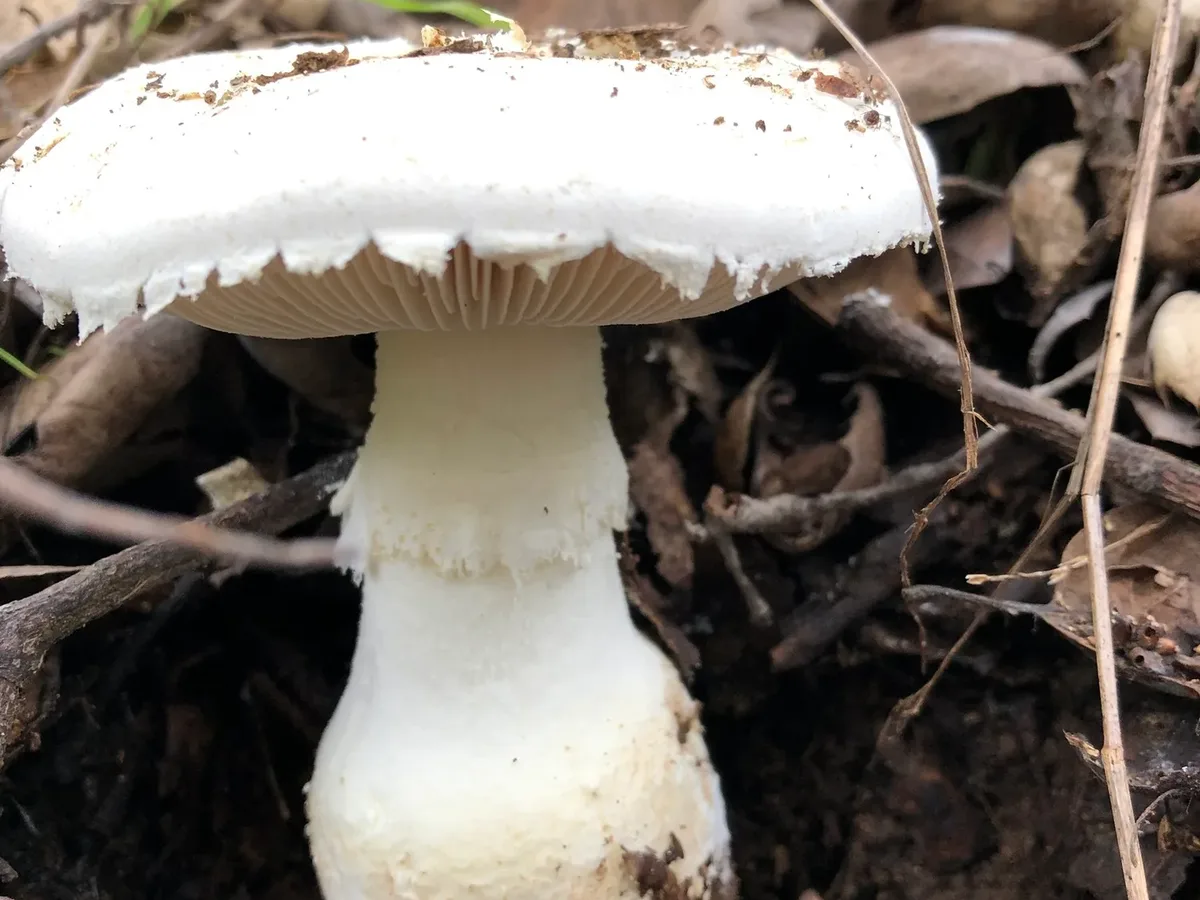 © jerryn (CC BY)
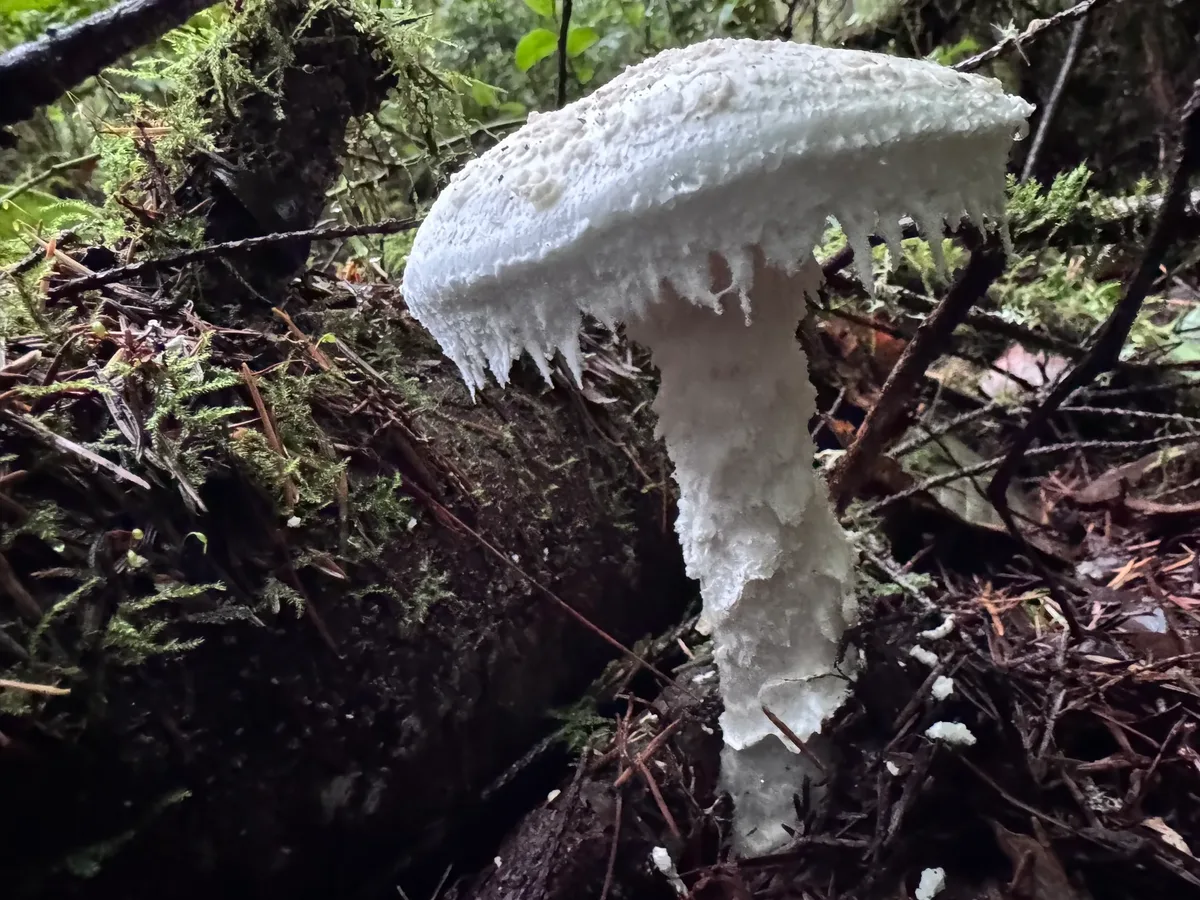 © dpcmiller (CC BY)
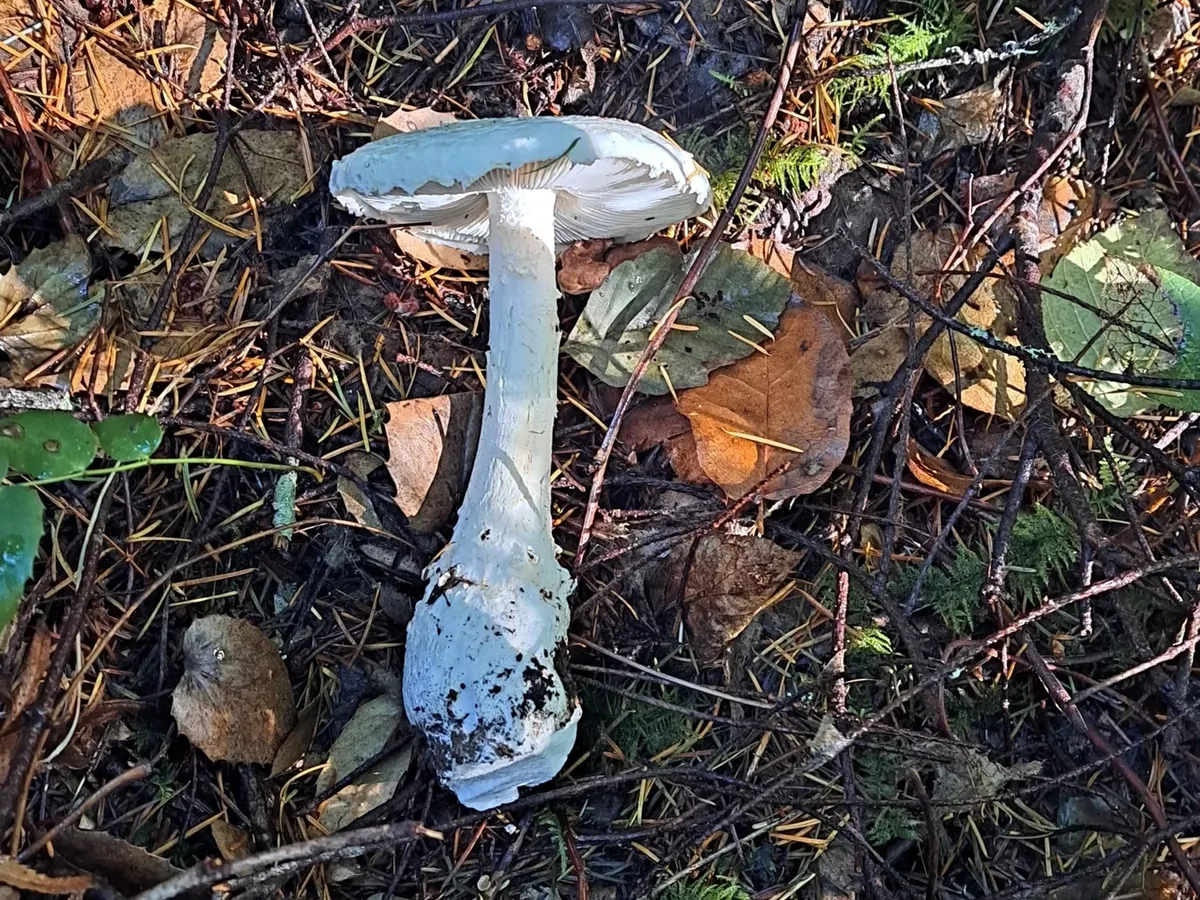 Deniz Wilson (CC0)
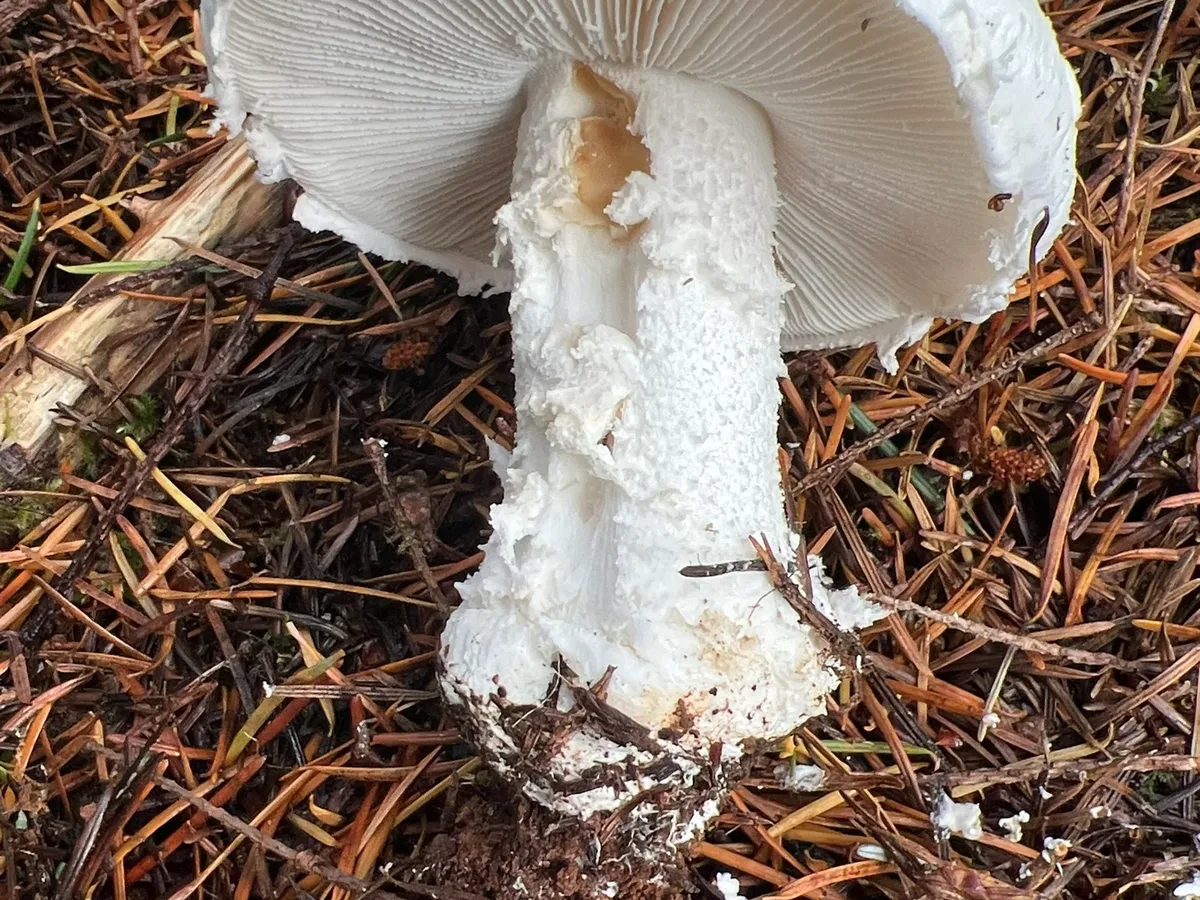 moorebuesing (CC0)
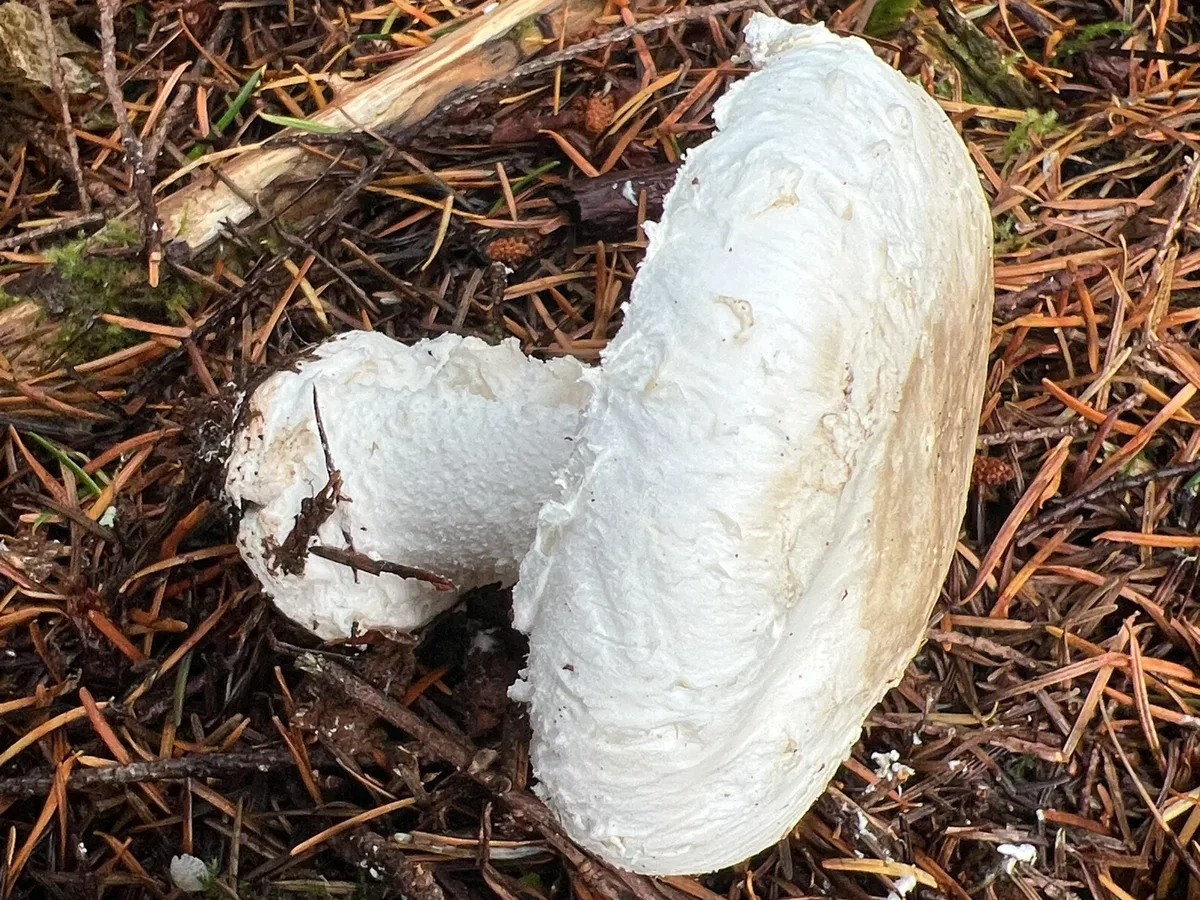 moorebuesing (CC0)
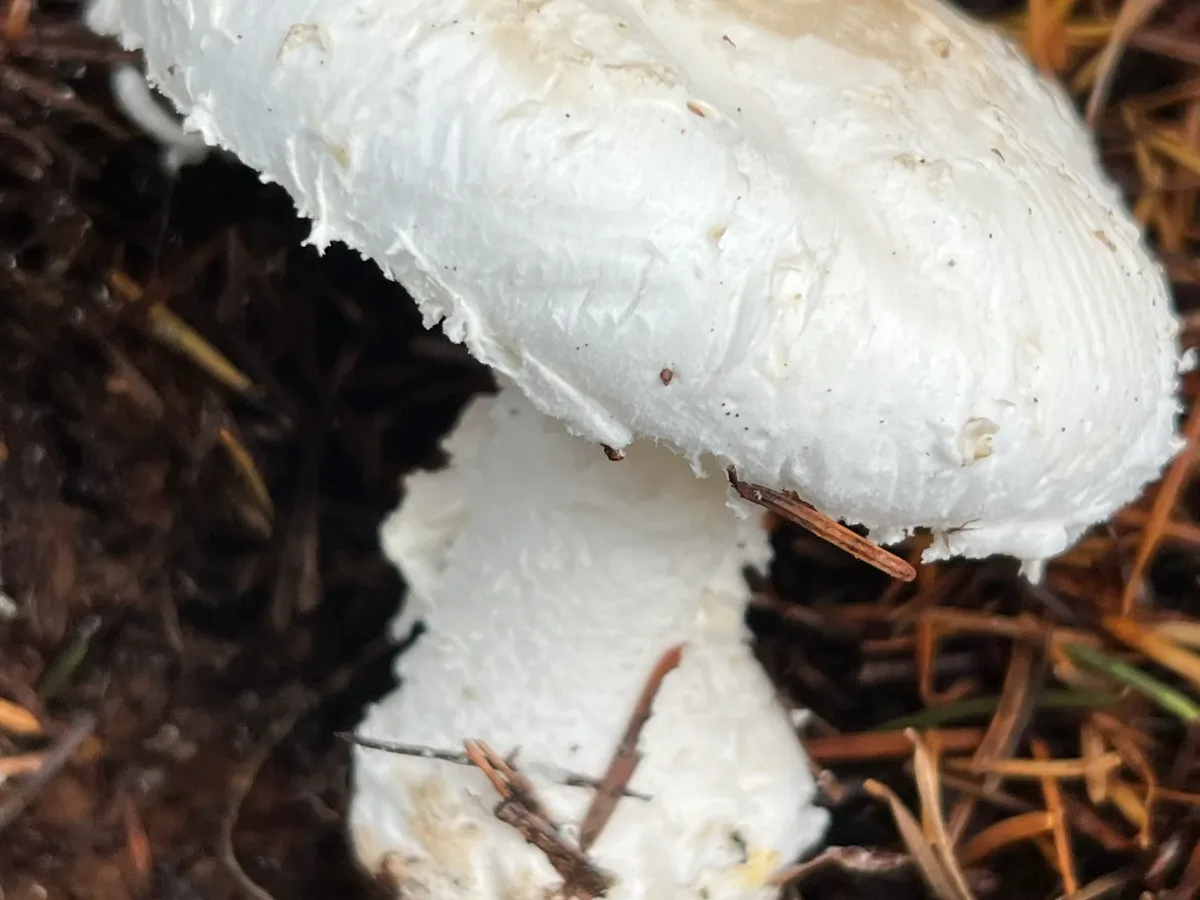 moorebuesing (CC0)
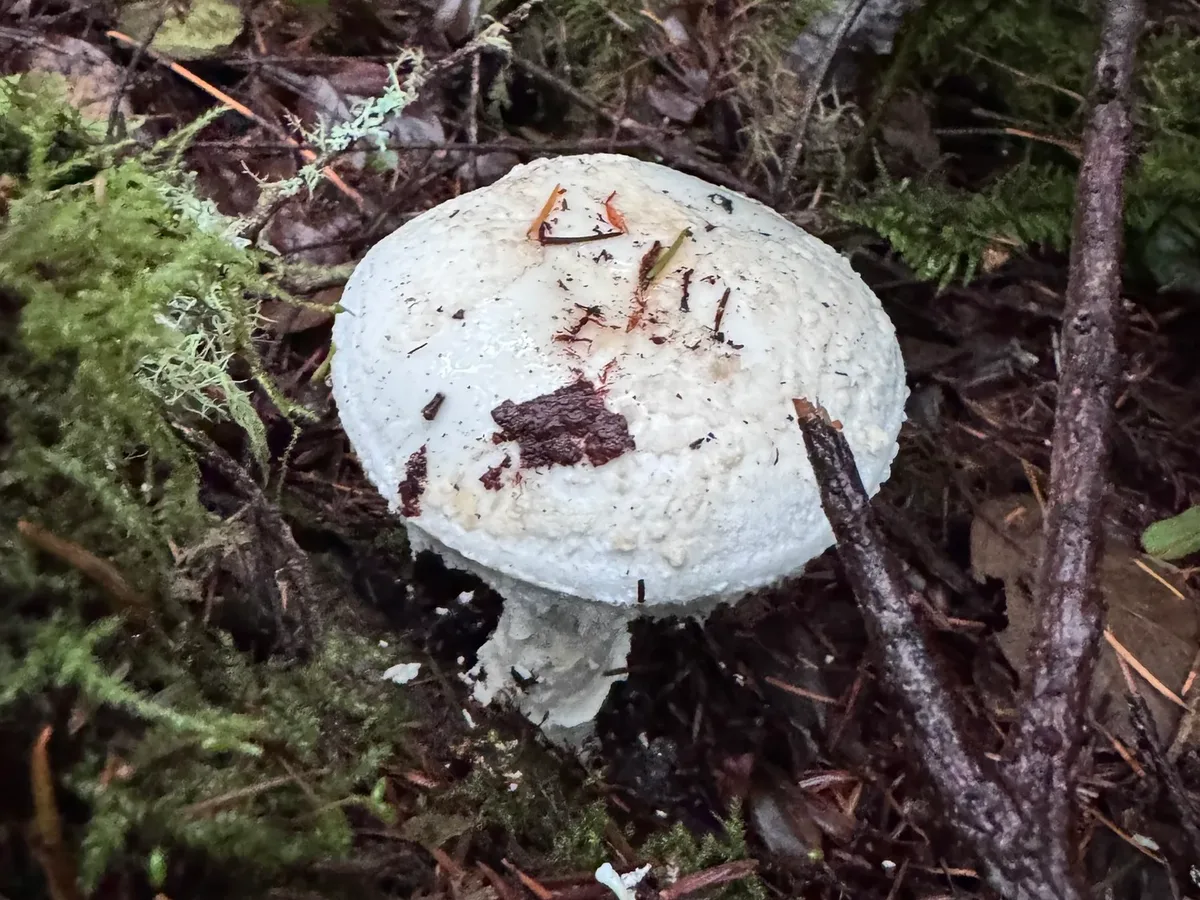 © dpcmiller (CC BY)© jerryn (CC BY)© dpcmiller (CC BY)
Toxic - and the most serious cases can be fatal. Never eat it, and wash your hands after handling.
Never eat a mushroom you are not 100% sure of - check the look-alikes below, and always cook wild mushrooms.
How to recognise it
Amanita smithiana is a large, imposing white mushroom whose every feature is a product of the veil system that defines the genus.
Cap
The cap begins as an egg-shaped button entirely enclosed in a white universal veil, then expands to 5-17 cm, passing through convex stages before flattening with age. The surface retains irregular patches, warts, or shaggy pyramidal scales of that ruptured veil - pale white to cream, sometimes with a slight buff or grey tint at the centre as the pileus dries.
Flesh
The flesh is white throughout, firm in youth, softening with age, and does not bruise or discolour when cut, a detail worth noting against the staining reactions of some safe species.
Gills / Pores
The gills are free (just clearing the stem), white, closely spaced, and may show faint cream tones as the specimen matures. They lack the browning that helps identify the true matsutake. The spore print is white.
Stem
The stem is perhaps the most diagnostic structure: strikingly long and slender - 6-16 cm or more - tapering smoothly downward into a spindle-shaped rooting base that drives itself deeply into duff or decomposing wood, sometimes ten centimetres or more below the soil surface. Shaggy veil fragments often cling to the stem surface.
The ring, when present, is fragile and easily lost, leaving only a slight zone or nothing at all.
Smell & taste
Odour in fresh specimens is faint and faintly sweet, becoming distinctly unpleasant and putrid with age - never the powerful, resinous, spiced fragrance of matsutake.
Why it's dangerous
Amanita smithiana causes acute kidney failure. This is not a theoretical risk - it has put foragers on dialysis in the Pacific Northwest, and essentially all documented cases arose from confusion with matsutake.
The danger is structural:
- both species occupy the same forest type
- they fruit in the same season
- they look superficially similar
- the edible species commands high market prices that create motivation to collect quickly and verify loosely
The spicy aroma of matsutake is the one rapid, reliable, field-stable safeguard. Any white mushroom in a Pacific Northwest conifer stand in late summer or autumn that does not have a strong, immediately apparent, spiced fragrance must not be collected. There is no safe second-guess.
Toxin
Amanita smithiana contains nephrotoxic amino acids, principally allenic norleucine (2-amino-4,5-hexadienoic acid) and chlorocrotylglycine.
These compounds are structurally distinct from amatoxins (bicyclic octapeptides found in death caps and destroying angels) and act through a different mechanism. They are believed to be selectively toxic to renal proximal tubular cells, disrupting cellular energy metabolism and causing tubular necrosis.
Because they are not amatoxins, the specific tests and antidotes used in amatoxin poisoning management do not apply.
The nephrotoxic amino acids survive cooking; heat treatment does not render the mushroom safe. Concentrations vary by specimen age, substrate, and season, but no threshold has been established below which the mushroom can be considered non-toxic.
Allenic norleucine was first characterised in this species following the poisoning cluster in the Pacific Northwest in the late 1980s and early 1990s. Subsequent chemical work confirmed that structurally related Amanita species in Asia contain analogous compounds responsible for similar nephrotoxic syndromes.
Symptoms
Ingestion of Amanita smithiana produces a biphasic illness with a deceptive middle phase.
In the first phase, gastrointestinal symptoms begin 1-12 hours after eating - nausea, vomiting, cramping abdominal pain, and diarrhoea. These symptoms are shared with many mushroom poisonings and can mislead both the patient and treating clinician into underestimating severity.
The second phase begins when GI symptoms subside, creating an apparent recovery that may last 12-48 hours. During this window the patient may feel genuinely better, which can result in delayed presentation to medical care.
On approximately days 2-6, renal toxicity becomes evident: urine output decreases (oliguria), blood creatinine and BUN rise sharply, and signs of acute kidney injury develop.
Severe cases progress to anuria and require haemodialysis or continuous haemofiltration maintained for days to several weeks while the kidneys recover. Systemic symptoms including fatigue, oedema, and electrolyte disturbances accompany the renal phase.
Unlike amatoxin poisoning, hepatotoxicity is not the primary injury; the liver may show some elevation of enzymes but the kidney is the target organ. Prognosis for renal recovery is generally favourable with aggressive supportive care, but permanent impairment has been reported in severe cases.
Staying safe
Amanita smithiana causes acute nephrotoxicity - direct, severe injury to the kidneys. It is not in the same toxin class as the deadly amatoxin-containing Amanitas (such as the death cap or destroying angel), but its consequences are no less serious.
Poisoning cases have been documented in the Pacific Northwest and in Taiwan, arising from confusion with matsutake.
Symptoms typically begin with gastrointestinal distress within one to twelve hours of ingestion, then appear to resolve - a deceptive lull - before kidney function begins to deteriorate on days two through six.
Creatinine rises, urine output falls, and acute kidney injury develops, often requiring hospitalisation, IV support, and in many cases haemodialysis or continuous renal replacement therapy sustained over days to weeks.
Recovery of kidney function is usually possible but not guaranteed, and the duration and intensity of supportive care can be prolonged. The mortality rate is lower than for amatoxin poisoning, but the potential for permanent renal damage exists. There is no antidote.
If ingestion of A. smithiana is suspected, contact poison control immediately and go to an emergency department - do not wait for symptoms to intensify. Bring a photograph or a sample of the mushroom.
Where & when it grows
Habitat
Amanita smithiana is at home in the old-growth and mature second-growth conifer forests of the Pacific Northwest, from northern California through Oregon and Washington into British Columbia. It favours stands of Douglas-fir, true firs, spruce, pine, and hemlock - the same rich, damp conifer cathedral-stands that produce matsutake, chanterelles, and hedgehogs.
The mushroom tends to appear singly rather than in clusters, and a single fruitbody can be surprisingly hard to spot against the pale duff because its colour blends with the lichens and bleached needles of the forest floor.
The deeply buried spindle base means only the upper stem and cap are ordinarily visible; the full rooting structure is concealed in the substrate. It is this buried architecture - combined with white-on-white colouring and the absence of a bright aroma - that makes the species so easy to overlook for what it is and so easy to misidentify.
It does not grow in open meadows, edges, or deciduous groves. When you find a large white Amanita-like specimen in a mature Pacific Northwest conifer stand in late summer or autumn, A. smithiana must be the first hypothesis you rule out before anything else.
When
Fruiting runs from late summer into autumn, roughly August through October, with the peak in September when the first sustained autumn rains follow the summer dry period.
The timing is not coincidental: the same temperature and moisture conditions that trigger A. smithiana to fruit are precisely those that bring up the prized matsutake in identical habitat. Foragers heading out in September and October in Pacific Northwest conifers are therefore in exactly the season and setting where the confusion is most acute.
The mycelium rests unseen through the dry summer months, drawing nutrients and water through its root partnerships with the trees above. When autumn rain recharges the soil and temperatures cool, the fungus allocates reserves to fruitbody production, and a cap can push through the duff apparently overnight.
Individual fruitbodies age quickly, losing the mild odour of youth and developing the fetid smell of decay within days. Neither the young nor the old form is safe to eat.
How it grows
Like all true Amanitas, A. smithiana is ectomycorrhizal - its mycelium threads form intimate sheaths around the fine root tips of its host conifers, exchanging mineral nutrients (particularly phosphorus and nitrogen scavenged from the forest soil) for photosynthetic sugars produced by the tree.
This partnership is not incidental; it is the engine of the mature conifer forest. The mycelium network can persist in the soil for decades, outlasting individual fruitbodies by years and remaining tightly coupled to its tree partners.
Only when environmental conditions are right - adequate soil moisture, cooling soil temperatures in the 7-14 °C range typical of early autumn in the region - does the mycelium commit resources to forming a fruitbody.
The early stage is a white egg, entirely encased in the universal veil, buried in the duff or emerging just at the surface. As the egg ruptures and the cap expands, veil fragments are carried upward on the cap surface and stem, leaving the characteristic warts and shaggy patches.
The spindle-shaped base reflects the way the initial egg was anchored in the substrate rather than resting on it - A. smithiana digs in, held fast by the rooting base in a way that makes a gentle tug feel like pulling a stake from soft ground.
Fruiting conditions
Mycorrhizal with conifers; fruits in late summer and autumn following autumn rains in mature Pacific Northwest stands.
Look-alikes
The single critical lookalike is matsutake - Tricholoma murrillianum in the Pacific Northwest.
The confusion between these two species has caused multiple cases of serious poisoning in the region since the late 1980s and has been documented independently in Taiwan, where similar Amanita species are confused with matsutake collected for commercial sale.
The identification gap can be bridged by three reliable, objective differences:
- 1Aroma - first and most important. Matsutake produces a powerful, sharp, spiced fragrance - often described as cinnamon, resin, and old gym shoes simultaneously - that is unmistakable and present from metres away. A. smithiana, when fresh, has only a mild, faintly pleasant smell; when old, a fetid, putrid one. There is no version of A. smithiana that smells like matsutake.
- 2Gill colour. Matsutake gills are white and stain tan to brown where handled or bruised; A. smithiana gills stay white throughout.
- 3Base structure. Matsutake's stem tapers to a firm blunt point fully covered in adhering soil; A. smithiana has a spindle-shaped, elongated rooting base that penetrates into rotten wood or duff, often extending 5-10 cm below the substrate surface, and typically carries shaggy veil fragments on the stem.
Additionally, A. smithiana belongs to the genus Amanita (spore print white, free gills, universal veil warts on cap) while T. murrillianum belongs to Tricholoma (spore print white, sinuate gills attached to stem, no volva or universal veil warts).
These structural differences are definitive but require experience; the aroma test is the safest primary filter for any forager.
Matsutake has a strong spicy aroma, white gills that stain brown, and a firm stem tapering to a point with no rooting base; its base is always covered in soil. A. smithiana lacks the spicy aroma, has a rooting spindle-shaped base with veil remnants, and roots in rotten wood.
A reference guide - never an edibility guarantee. When in doubt, leave it out.