Fly agaric
Amanita muscaria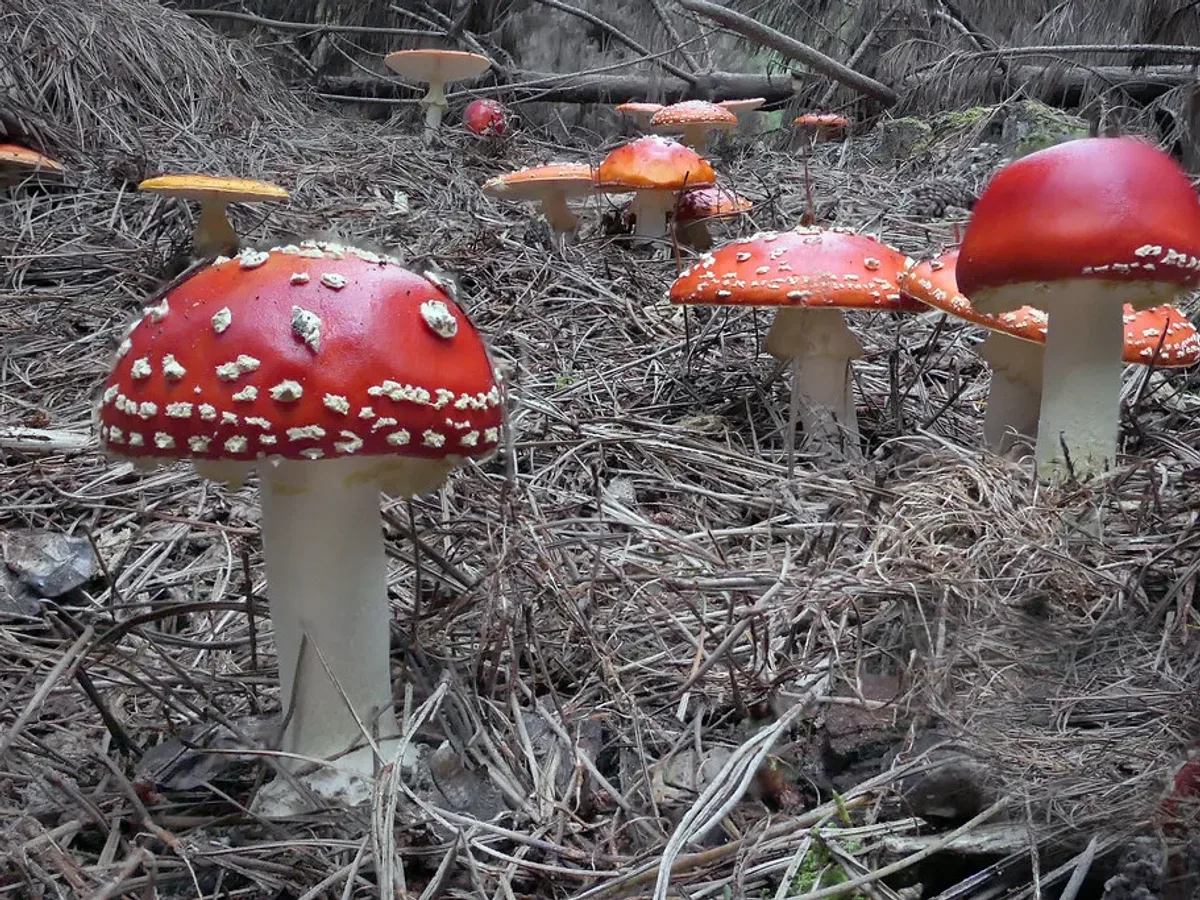 Bernard Spragg (Public domain)
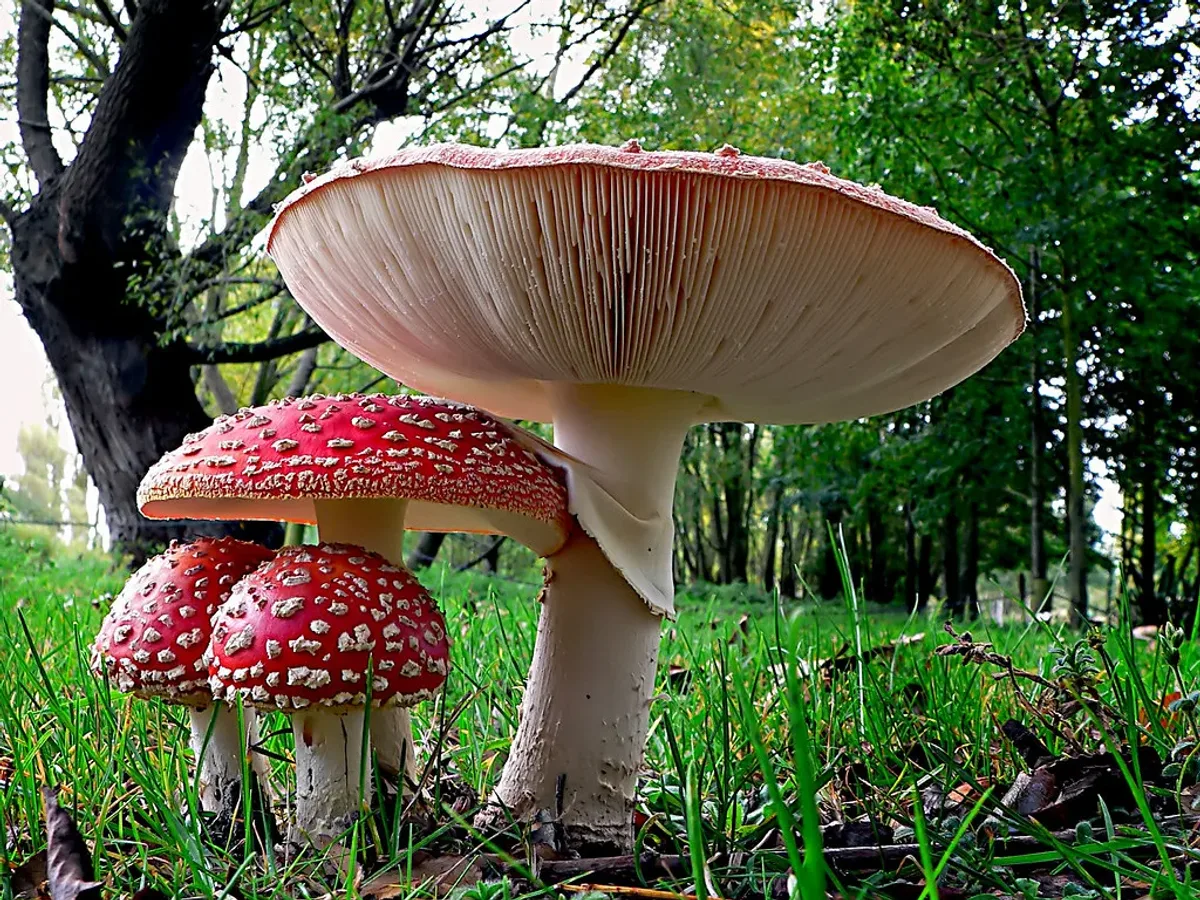 Bernard Spragg (Public domain)
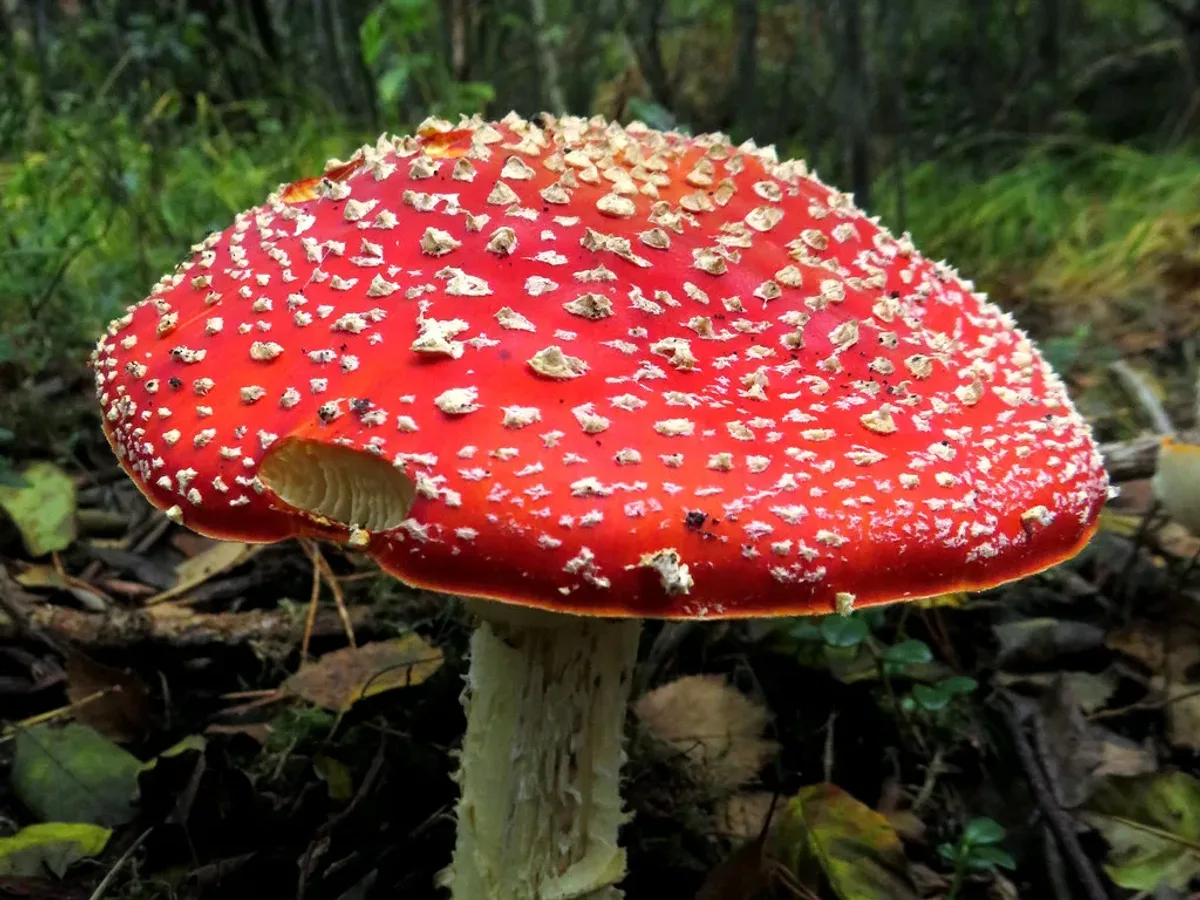 © blondinrikard (CC BY 2.0)
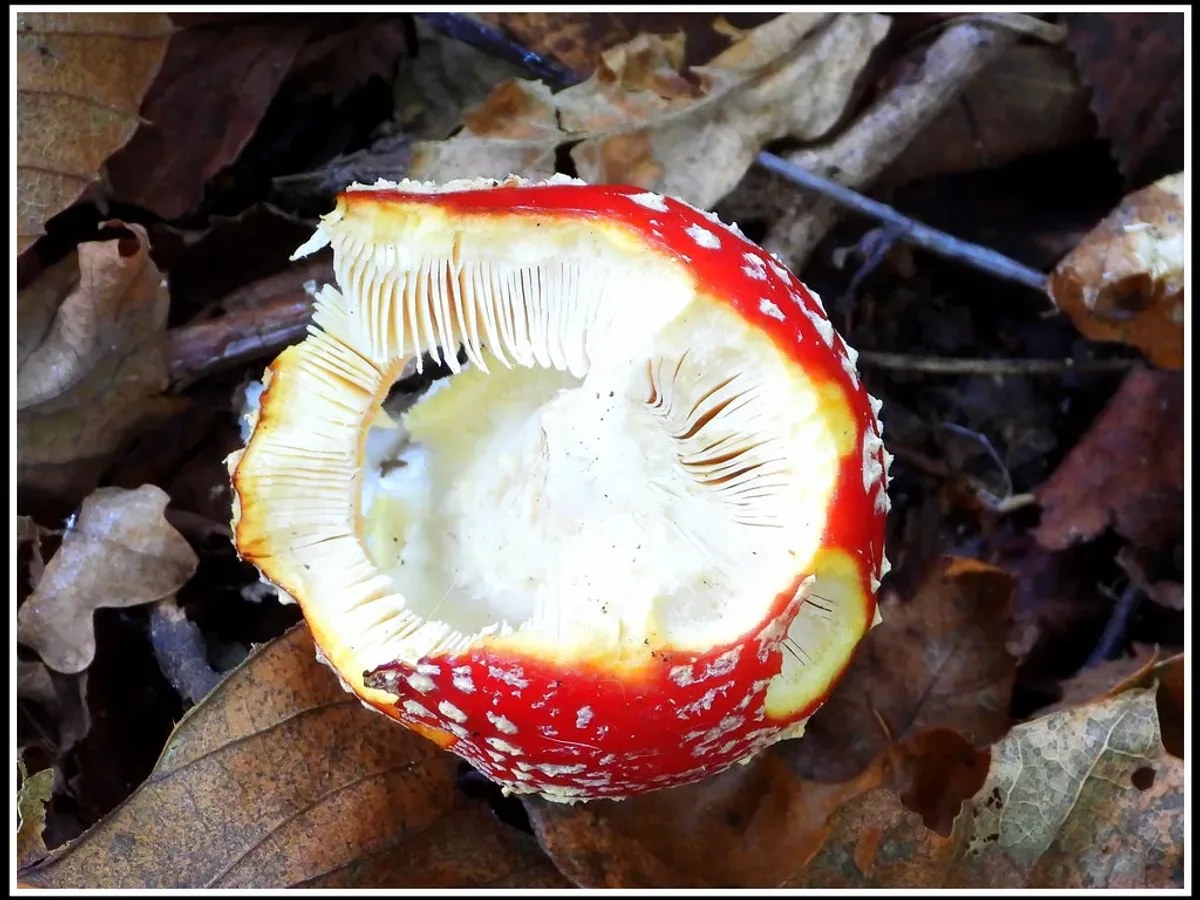 © pete. Taking a rest due to recent heart attack...S (CC BY 2.0)
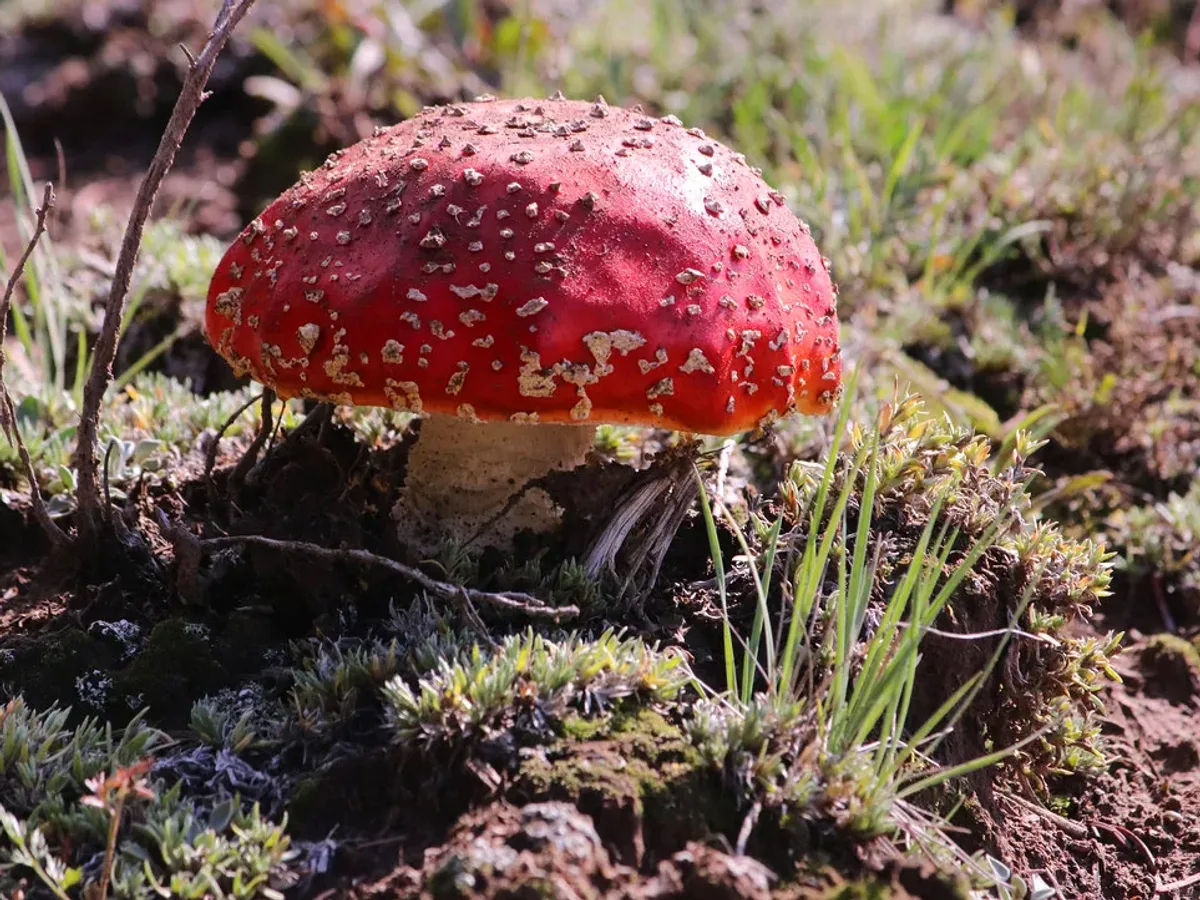 © claralieu (CC BY 2.0)
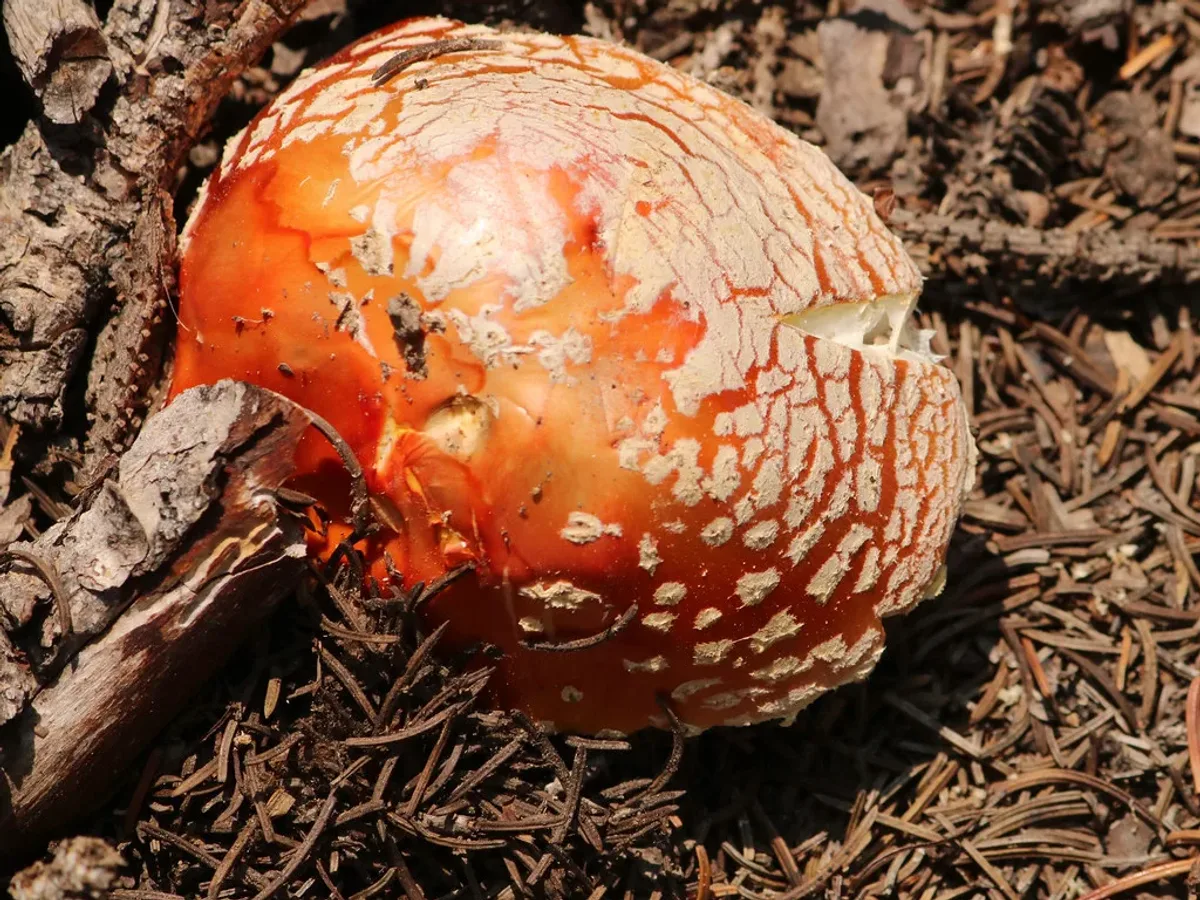 © claralieu (CC BY 2.0)
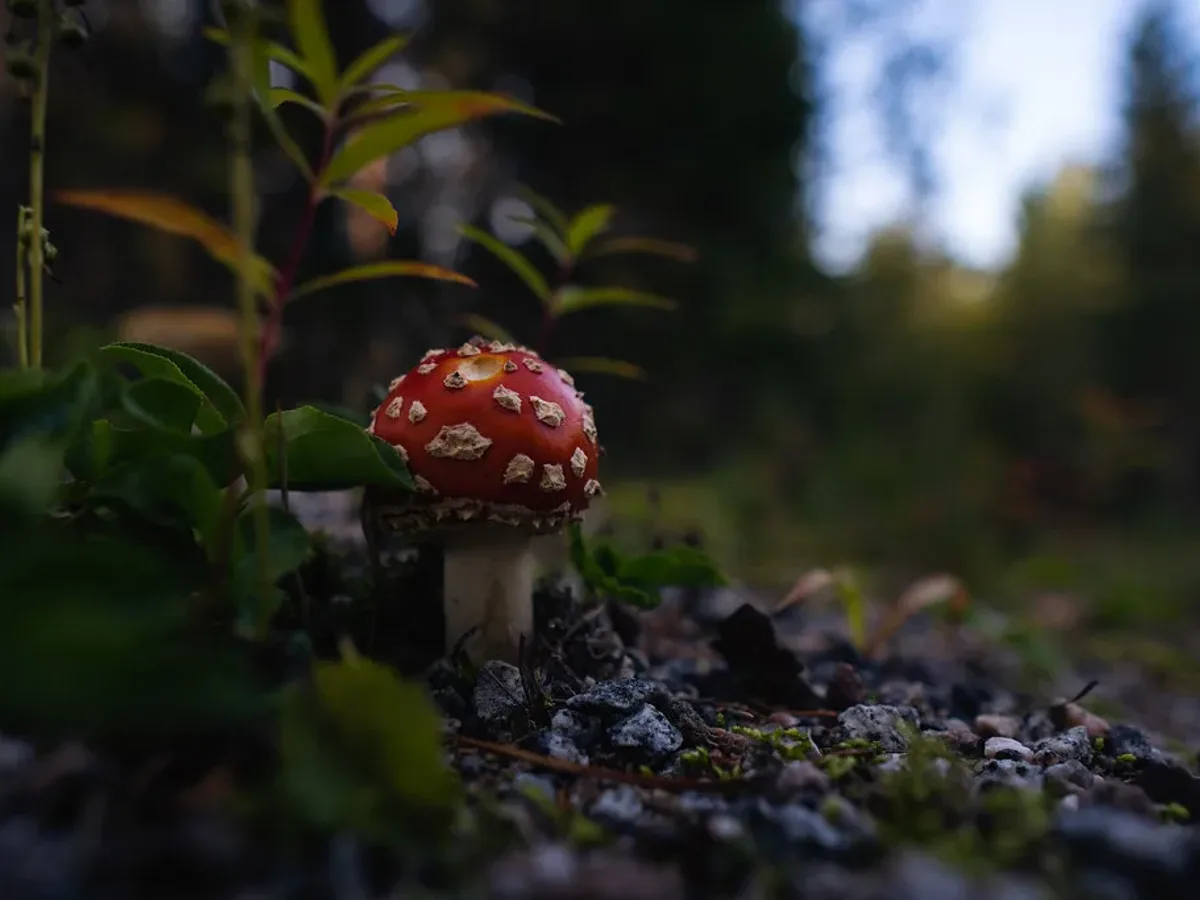 © Tero Karppinen (CC BY 2.0)
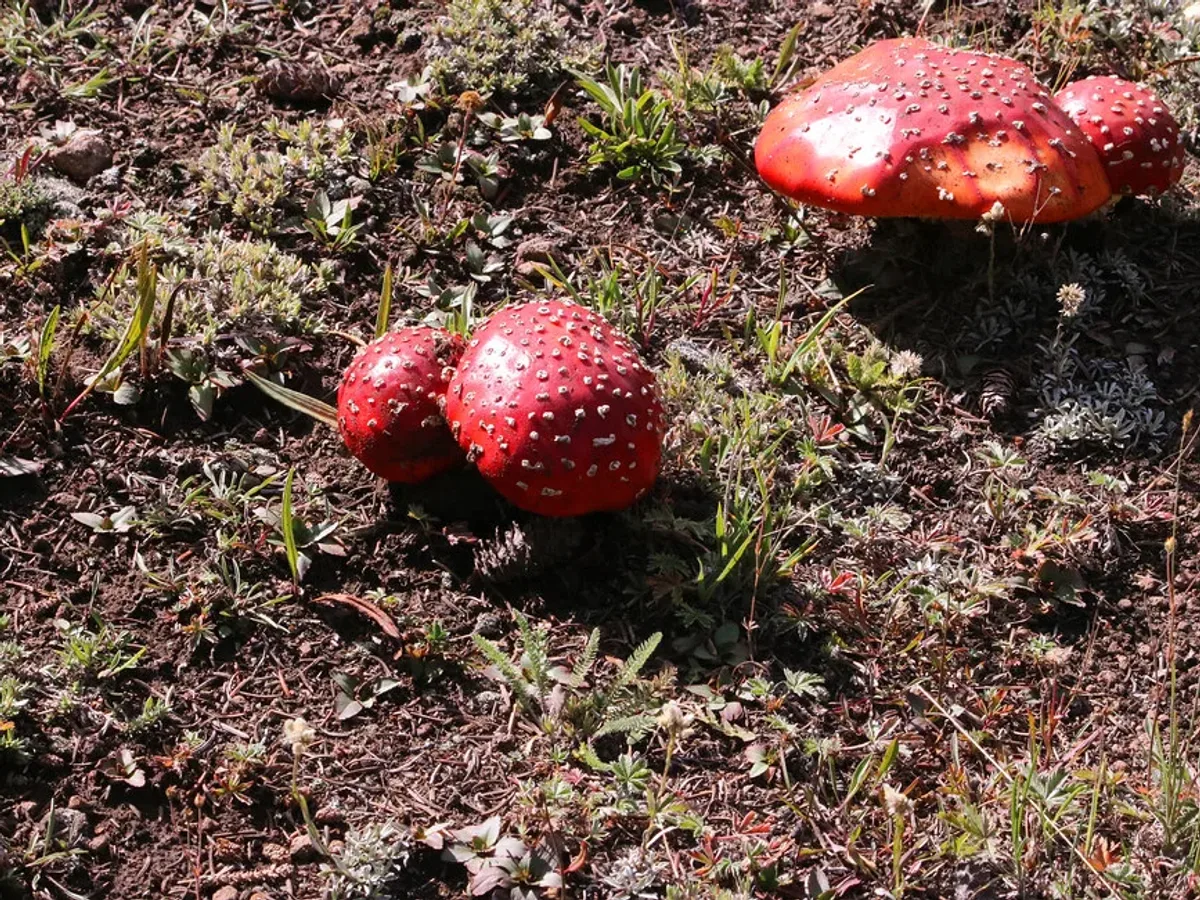 © claralieu (CC BY 2.0)Bernard Spragg (Public domain)Bernard Spragg (Public domain)
Edible only with the right preparation - or safe for some people but not others. Learn the caveats first.
Never eat a mushroom you are not 100% sure of - check the look-alikes below, and always cook wild mushrooms.
How to recognise it
Amanita muscaria is among the most structurally elaborate fungi on earth, its development unfolding in distinct, visible stages that reward close observation.
The fruitbody begins as a white ovoid "egg" - entirely enclosed within a membranous universal veil - pressed up from the soil like a small buried bulb.
Cap
As it elongates, the veil tears, and the vivid scarlet-to-vermilion cap pushes free, carrying wart-like remnants of the veil on its surface.
These warts are pure white and roughly conical at first, but rain readily washes them off and sunlight fades them; mature caps can appear plain orange-red with no trace of ornamentation.
The cap expands from convex to broadly flattened, reaching 8-20 cm across in large specimens.
Gills / Pores
The gills are crowded, free from the stem, and white; they do not change colour with age or bruising.
Spore print white.
Stem
The stem is white, 10-20 cm tall, with a skirt-like pendant ring (annulus) roughly midway up - a remnant of the partial veil that once covered the gills.
At the base the stem bulges into a rounded basal bulb encircled by the sheath-like remains of the universal veil, forming a distinctive white sock or volva.
Flesh
All white-fleshed tissue; the flesh does not change colour when cut.
Why it's dangerous
Deaths from Amanita muscaria are extremely rare globally and have not been reported from Australian or New Zealand poisoning records.
The species lacks the hepatotoxic amatoxins responsible for the high mortality of A. phalloides (death cap) and A. ocreata (western destroying angel) poisoning.
The primary danger is:
- accidental ingestion by children;
- deliberate self-experimentation with poorly prepared or overdosed material;
- misidentification of degraded specimens that have lost their warts or ring and may superficially resemble less toxic species.
Because the toxin content varies substantially between specimens - influenced by geography, substrate, growth stage, and individual variation - any exposure should be treated as potentially serious.
If ingestion is suspected, contact the Poisons Information Centre (Australia: 13 11 26; New Zealand: 0800 764 766) immediately and provide a photograph or physical specimen for identification. Do not wait for symptoms to develop before seeking advice.
Toxin
The principal toxins in Amanita muscaria are ibotenic acid and its decarboxylation product muscimol.
- Ibotenic acid is a structural analogue of glutamic acid and acts as an agonist at NMDA-type glutamate receptors.
- Muscimol is a potent agonist at GABA-A receptors.
The two compounds act on opposing branches of the central nervous system - ibotenic acid as an excitatory agent, muscimol as an inhibitory agent - which partly accounts for the unpredictable and variable symptom profile seen between individuals.
On drying, ibotenic acid spontaneously converts to muscimol, shifting the pharmacological balance toward sedative and dissociative effects. This conversion underlies historical use of dried preparations but does not make them safe.
Muscarine is also present in Amanita muscaria but at concentrations too low to be clinically relevant under normal exposure conditions. The name "muscarine" is historically misleading because the compound was first isolated from this species but is actually the dominant toxin in Clitocybe and Inocybe species, not in A. muscaria itself.
No organ-toxic amatoxins (alpha-amanitin etc.) are present in A. muscaria; the species is physiologically distinct from the death cap (A. phalloides) in this respect.
Symptoms
Symptoms of Amanita muscaria poisoning typically begin within 30 minutes to 2 hours of ingestion - a much shorter latency than amatoxin poisoning (which presents 6-24 hours after ingestion).
The early phase often involves nausea, vomiting, abdominal cramping and increased salivation; diarrhoea is variable.
Central nervous system effects develop alongside or shortly after the gastrointestinal phase and can include confusion, disorientation, visual disturbances, ataxia (loss of coordination), muscle twitching, drowsiness and, in higher-dose exposures, delirium, agitation or coma.
The picture is inconsistent across individuals: one person may experience predominantly sedation and sleep, another predominantly excitation and hallucination, reflecting the compound pharmacology of ibotenic acid and muscimol.
Children and low-weight individuals are at greater risk of severe CNS effects from equivalent doses.
Symptoms generally resolve within 4-8 hours without intervention, though severe cases may require supportive hospital treatment.
There is no specific antidote; management is symptomatic (antiemetics, hydration, benzodiazepines for agitation, close monitoring).
Staying safe
Amanita muscaria is poisonous. The toxins are present in all parts of the fruitbody, including the white egg stage, the cap, gills, stem and volva.
Because the species is visually striking and widely recognisable, accidental poisoning in adults is uncommon. Most cases in Australia and New Zealand involve children who encounter the brightly coloured caps and ingest them out of curiosity, or individuals who have read accounts of deliberate use and underestimate variability in toxin content.
The safety margin is the visual distinctiveness: the combination of vivid red cap with white warts, white pendant ring, white gills and basal volva is not matched by any native Australian edible species.
However, warts can be washed off by rain, caps can fade to orange, and rings can slide or be lost, so a partially degraded specimen may look less distinctive.
The correct approach in any Amanita encounter is:
- identify by the full structural suite (cap, warts, ring, volva, gills, spore print, host tree);
- never rely on colour alone;
- do not consume any Amanita without expert confirmation.
Where & when it grows
Habitat
Amanita muscaria is a mycorrhizal species native to boreal and temperate forests of the Northern Hemisphere, where it evolved alongside birch, pine, spruce and fir over millions of years.
In Australia and New Zealand it arrived as an invisible stowaway in the root systems of imported timber trees - principally Pinus radiata and Betula pendula - planted from the late nineteenth century onward to supply lumber and ornamental parkland.
Once established on these introduced hosts, the mycelium did not remain contained. It formed new mycorrhizal partnerships with native Nothofagus (southern beech) trees, a genus that had no evolutionary history of encounter with this fungus or its chemistry.
The invasion front now runs through pine plantations, roadside birch avenues, parkland groves and native Nothofagus rainforest margins in Victoria, Tasmania and both main islands of New Zealand.
A northward expansion along the NSW coast (towards Port Macquarie) and a separate beachhead under silver birch in Manjimup, Western Australia (first recorded 2010) show the range is still widening.
This matters ecologically: A. muscaria is an aggressive competitor that can suppress native ectomycorrhizal fungi from the soil community, reducing the diversity available to forest trees.
Finding it under native beech in old-growth margins is a sign of ecosystem encroachment, not a natural association.
When
In the Southern Hemisphere, Amanita muscaria fruits in autumn, which falls between roughly March and May.
The trigger is a combination of cooling soil and adequate moisture: once summer's warmth recedes and the first soaking rains of autumn saturate the ground, the mycelium redirects energy from vegetative growth into fruitbody production.
The lag between rain event and visible fruitbody is typically one to two weeks, as the developing eggs must push up through the duff layer before the cap can expand.
Peak fruiting in Victoria and Tasmania usually tracks April, though cool maritime zones in New Zealand can see flushes as early as late February after wet summers, and as late as June in sheltered beech valleys.
A single mycelial network may produce multiple successive flushes through the season rather than one mass event; returning to a site after new rain can reveal a fresh ring of eggs where yesterday the ground appeared bare.
The mycelium itself persists underground through the dry months, dormant but alive, connected to its host trees and effectively immortal on a human timescale.
How it grows
Amanita muscaria grows mycorrhizally - its mycelium physically interlocks with the fine root tips of living trees, swapping mineral nutrients (particularly phosphorus and nitrogen gathered from the soil) for sugars the tree produces by photosynthesis.
This partnership is ancient; the ancestors of today's ectomycorrhizal amanitas were trading with conifer roots before flowering plants dominated the world.
In practical terms, the mushroom is wholly dependent on a living host tree and cannot be cultivated in isolation.
Fruitbodies are produced singly, in clusters, or in partial or complete fairy rings - the ring reflecting the outward radial growth of the underground mycelium from an original inoculation point.
Rings can expand measurably year on year; some circles of Amanita in European birch woods are estimated to be centuries old.
The white egg stage is the most cryptic - easy to overlook as a rounded soil disturbance, and potentially confused with puffballs or golfballs before the red cap breaks through.
Fruiting conditions
Autumn fruiter; flushes follow soaking rains once soil cools.
Look-alikes
In the Australian and New Zealand context, the species most likely to be confused with Amanita muscaria is the native vermilion grisette, Amanita xanthocephala.
This species shares the red-orange cap colouration and grows in similar autumn conditions, but differs in key features:
- it lacks the white warts;
- it lacks a pendant ring on the stem;
- it is associated exclusively with eucalyptus (Eucalyptus spp.) rather than pine, birch or Nothofagus.
The presence of a ring on the stem is one of the most reliable distinguishing features between A. muscaria and A. xanthocephala: the ring is always present (though it may slide down the stem with age) on A. muscaria and is always absent on A. xanthocephala.
The basal volva is present on both species, so its presence alone does not separate them.
A. xanthocephala is thought to be edible in some sources, but given the difficulty of distinguishing Amanita species under the cap alone - and the presence of deadly white Amanita species (A. phalloides, death cap) in Australia - any field identification of a red-capped Amanita should involve examination of the full suite of features: warts, ring, volva, gills, spore print, and host tree identity.
Globally, the orange-capped var. formosa and the yellow-capped var. aureola of A. muscaria itself can appear less vividly coloured, but these colour forms are not commonly recorded in Australia or New Zealand.
The guide advises beginners to avoid the entire Amanita genus; faded specimens of the fly agaric can mislead the inexperienced, and the genus includes deadly amatoxin-containing species.
Caesar's mushroom (edible, southern Europe) has a yellow cap, yellow gills and yellow stem; a young rain-washed fly agaric lacking warts could theoretically be confused with it, but the fly agaric has white gills and white stem.
The red color plus white warts plus a volva at the base distinguish the fly agaric; rely on these warning features even when the cap color has faded.
Brown cap with white warts, ring, and banded volva; the more toxic of the two and can be confused by inexperienced foragers with edible grey- or brown-capped species.
At the button stage the fly agaric is a white ball that can resemble a puffball; cut it lengthwise to reveal the developing cap, gills and stem of the agaric.
Native Australian species, eucalyptus-associated, lacking white warts and a ring.
A reference guide - never an edibility guarantee. When in doubt, leave it out.