Yellow stainer
Agaricus xanthodermus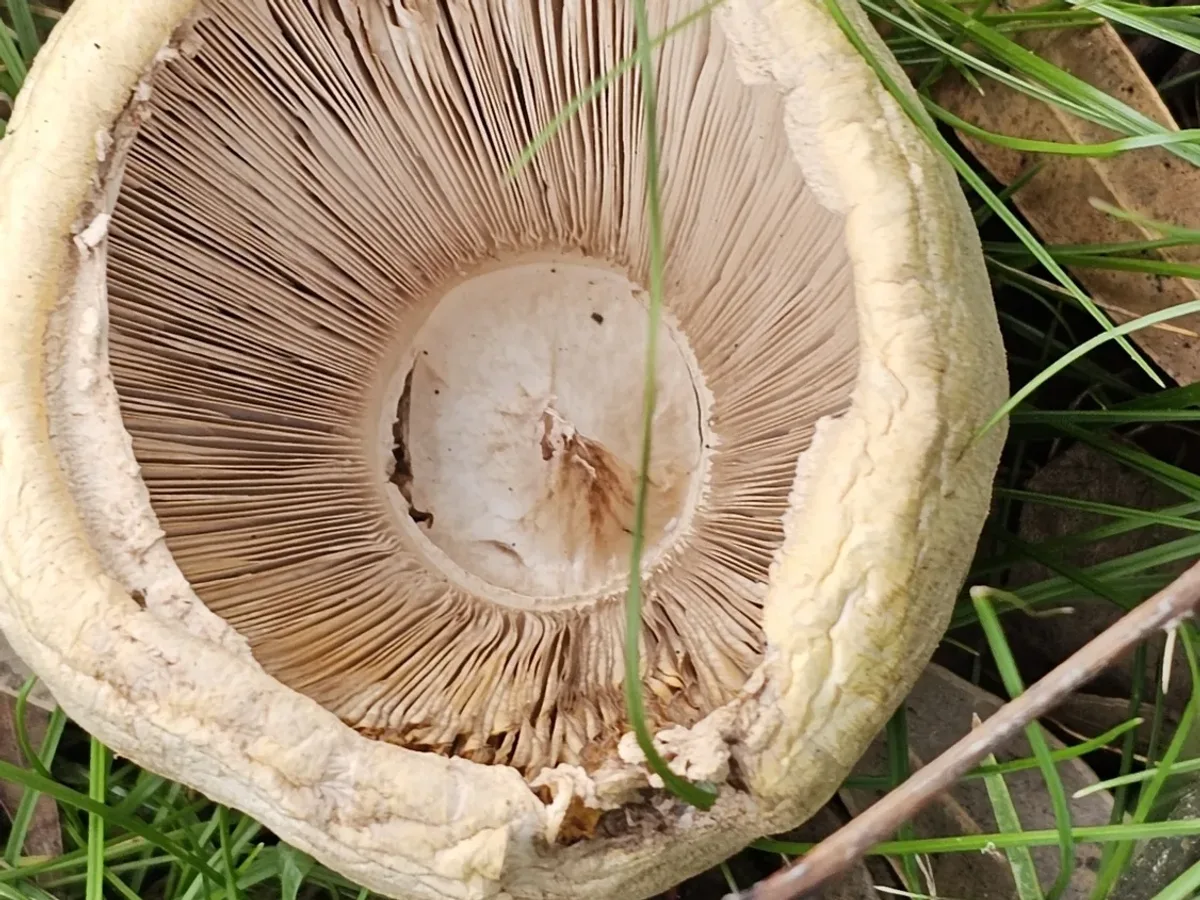 © ianrainbow (CC BY 4.0)
 Chuck Wilson (CC0)
 © dorian (CC BY-SA)
 © dorian (CC BY-SA)
 Chuck Wilson (CC0)
 © Elle Sanchez (CC BY)
 © Elle Sanchez (CC BY)
 © nikibifrost (CC BY 4.0)
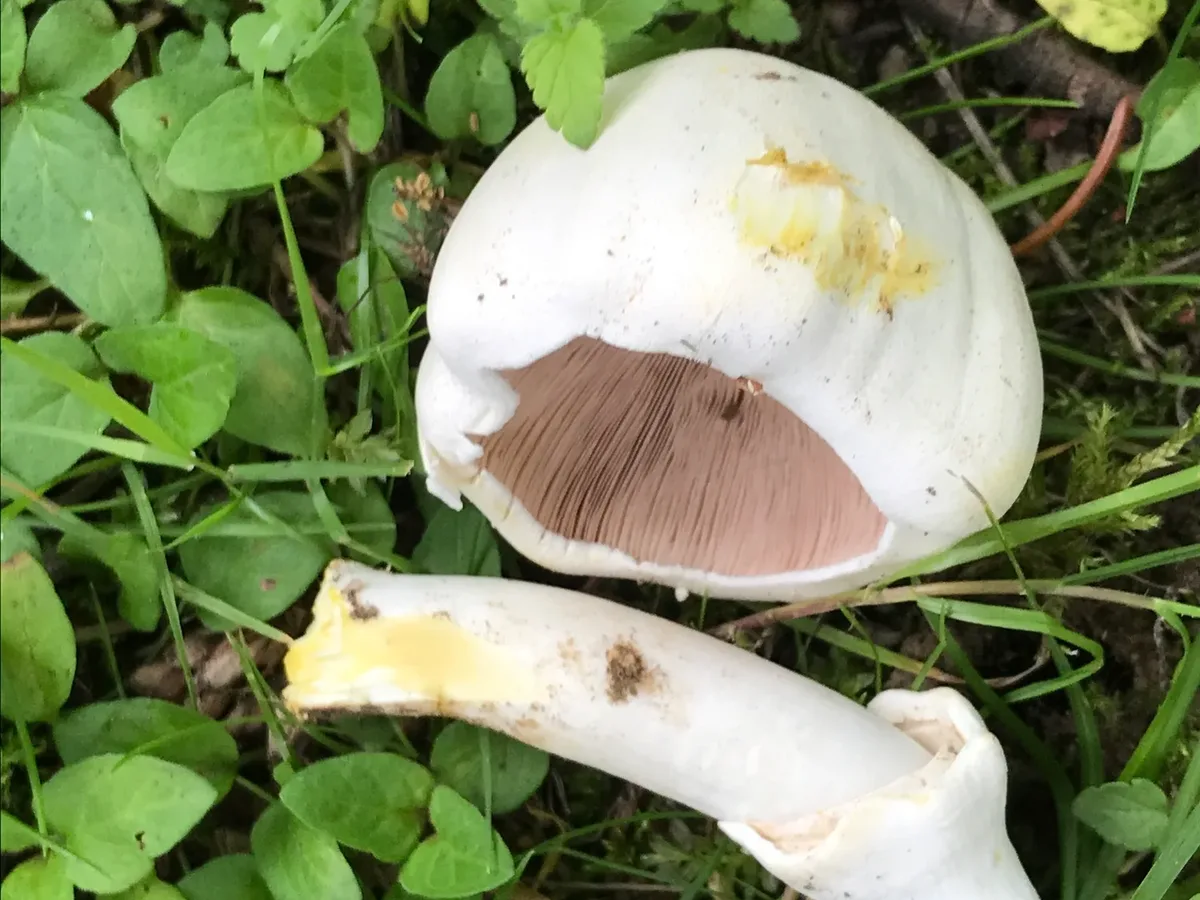 T. Pedro Hafermann (CC0)
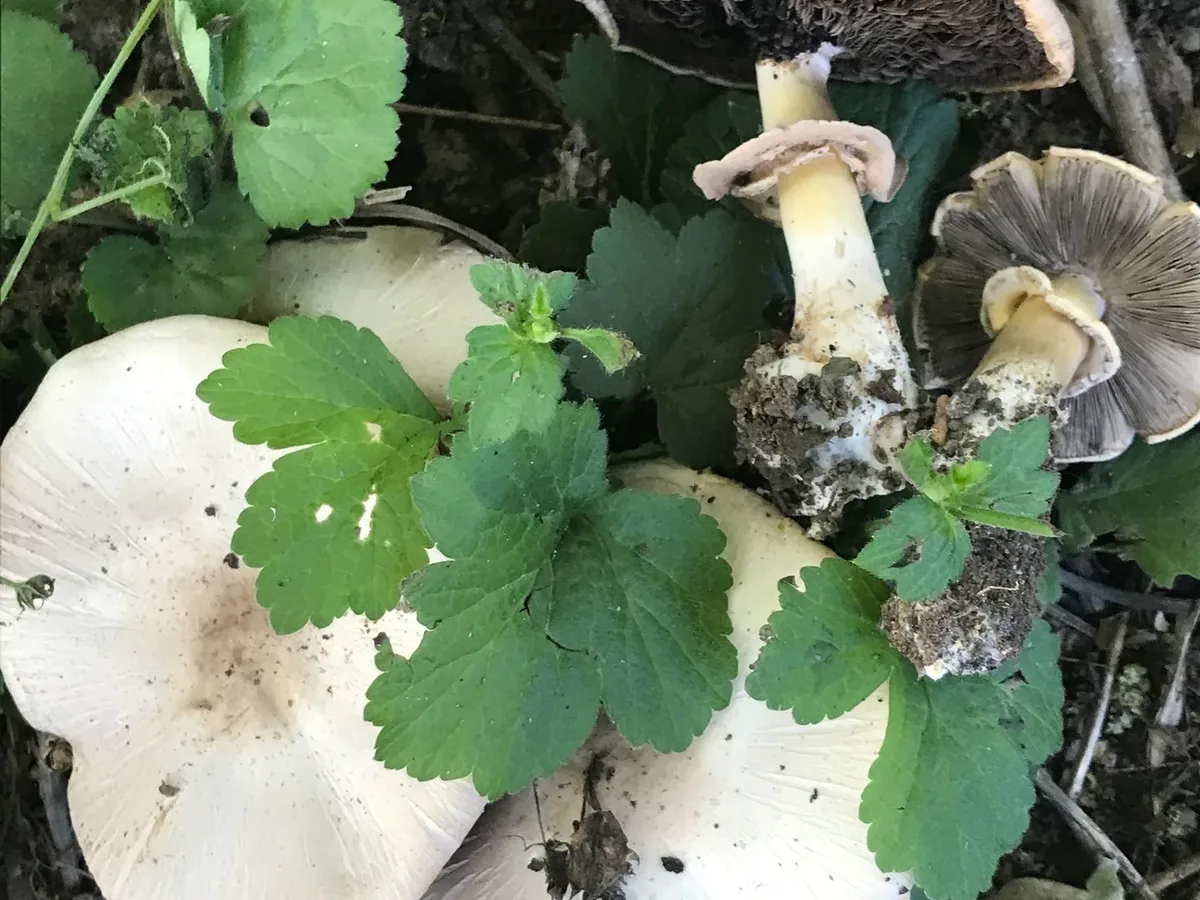 T. Pedro Hafermann (CC0)
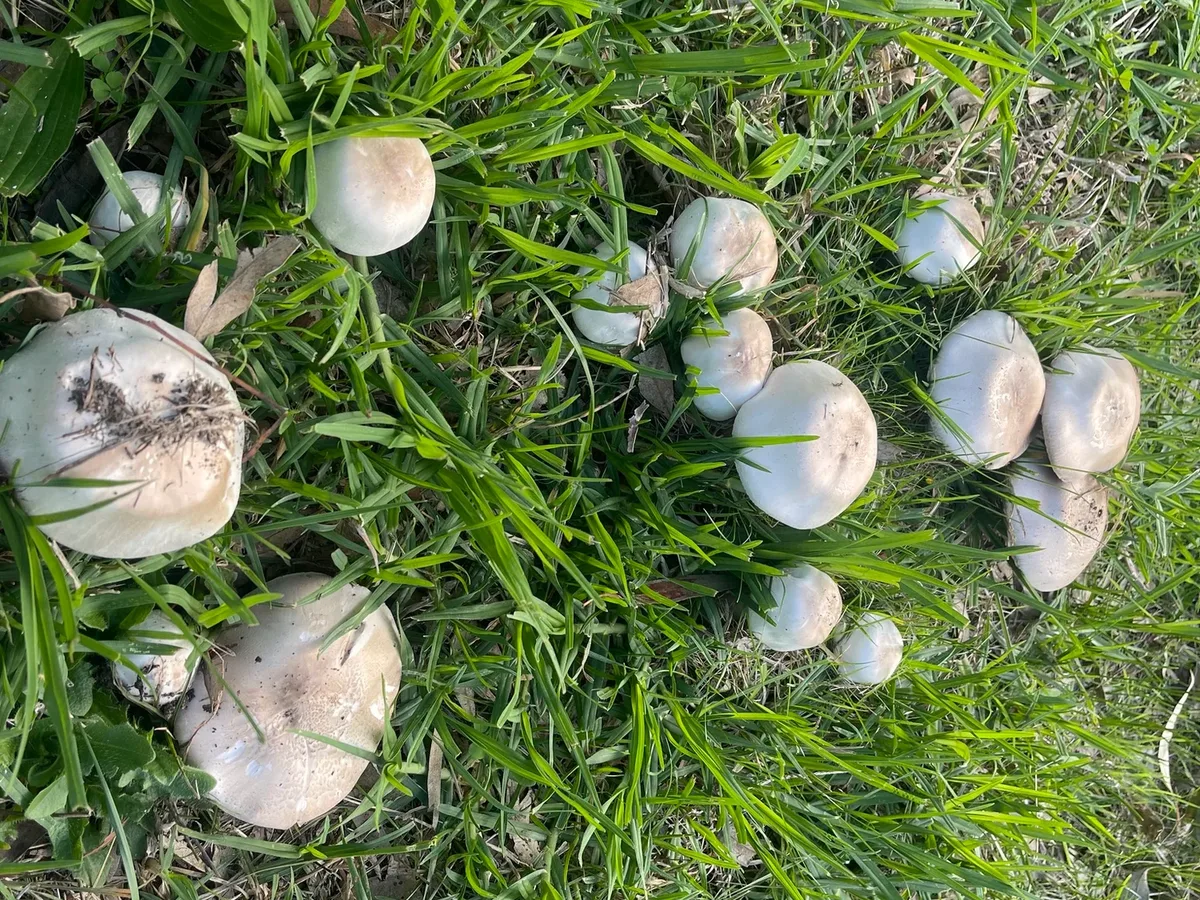 © Dylan Wishart (CC BY 4.0)
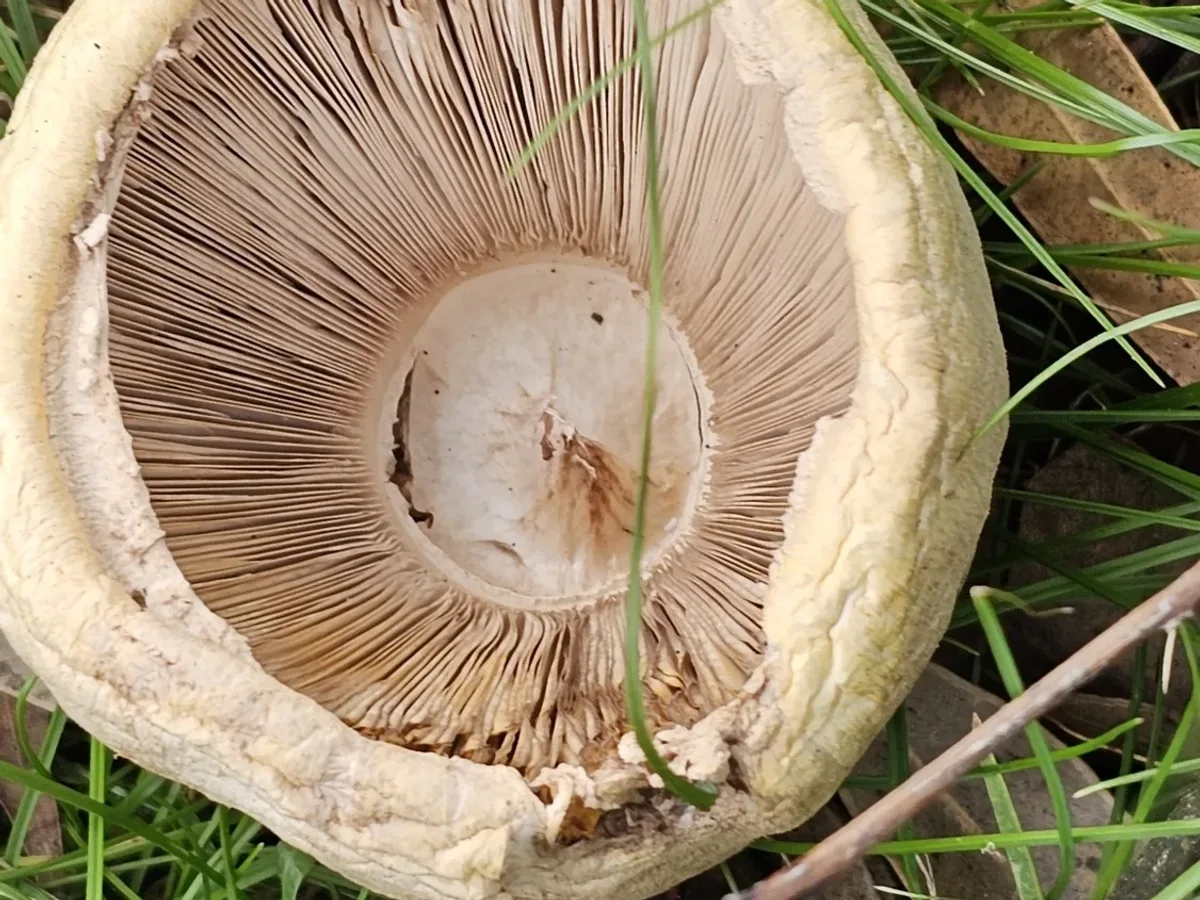 © ianrainbow (CC BY 4.0)
 © nikibifrost (CC BY 4.0)
 T. Pedro Hafermann (CC0)
 © Dylan Wishart (CC BY 4.0)© ianrainbow (CC BY 4.0)Chuck Wilson (CC0)
Edible only with the right preparation - or safe for some people but not others. Learn the caveats first.
How to recognise it
Agaricus xanthodermus is one of the larger white Agaricus species in Australia and New Zealand, with caps that routinely span 50 to 200 mm when fully open.
Cap
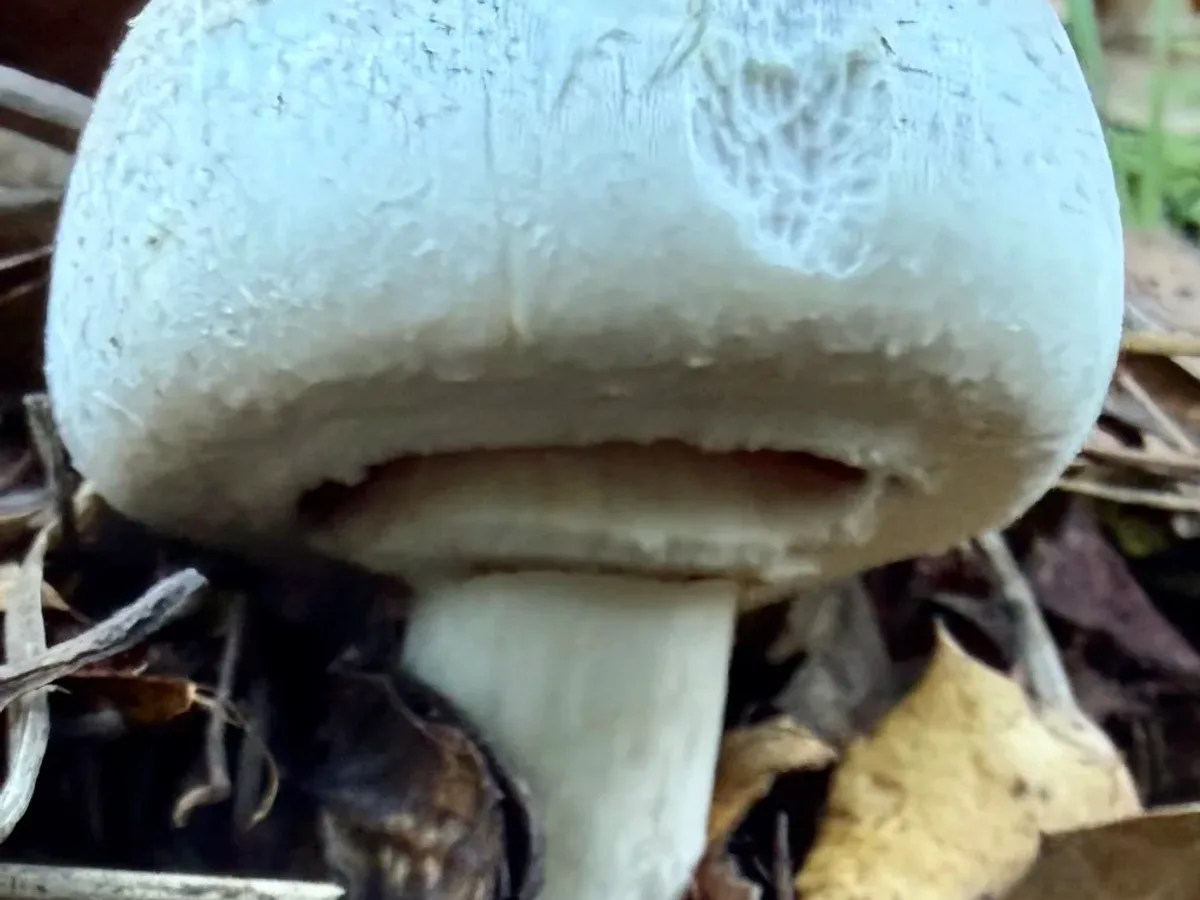
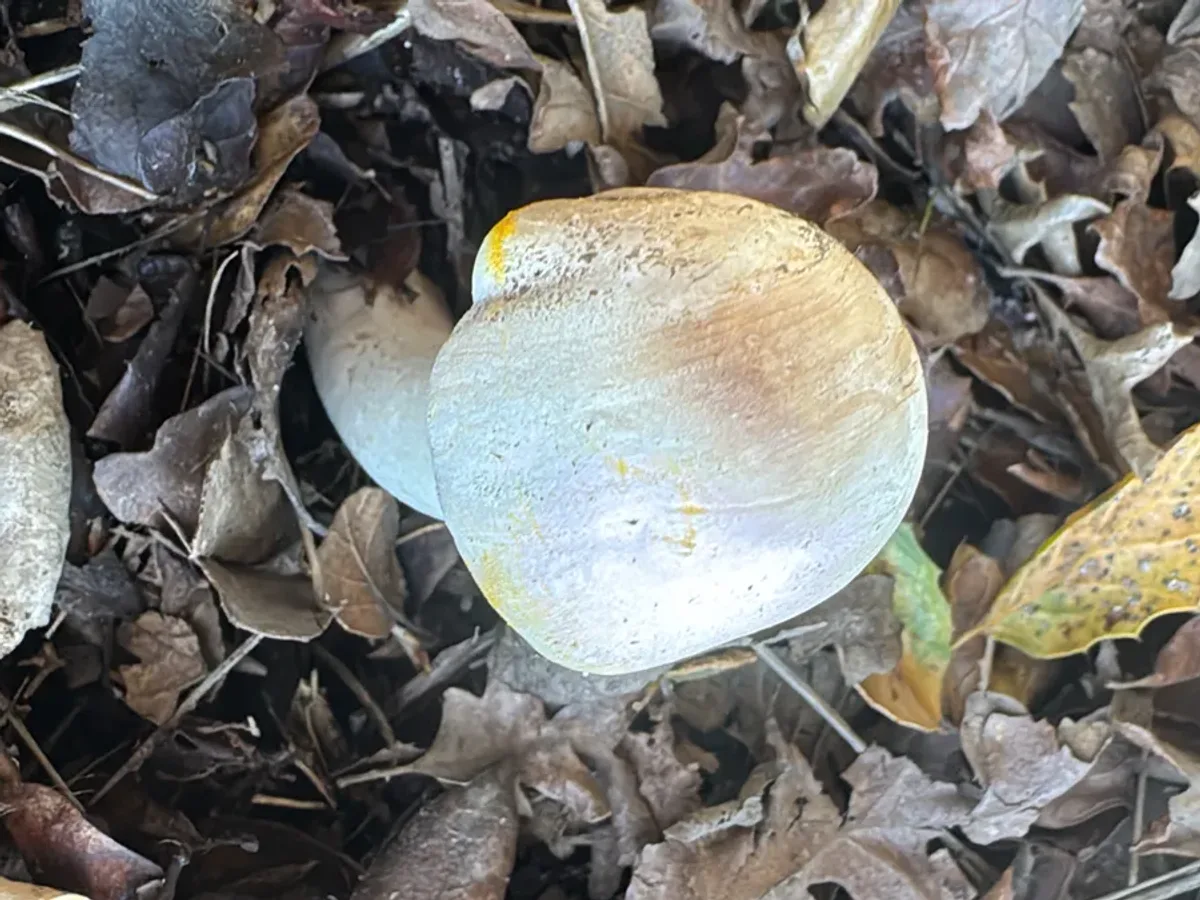
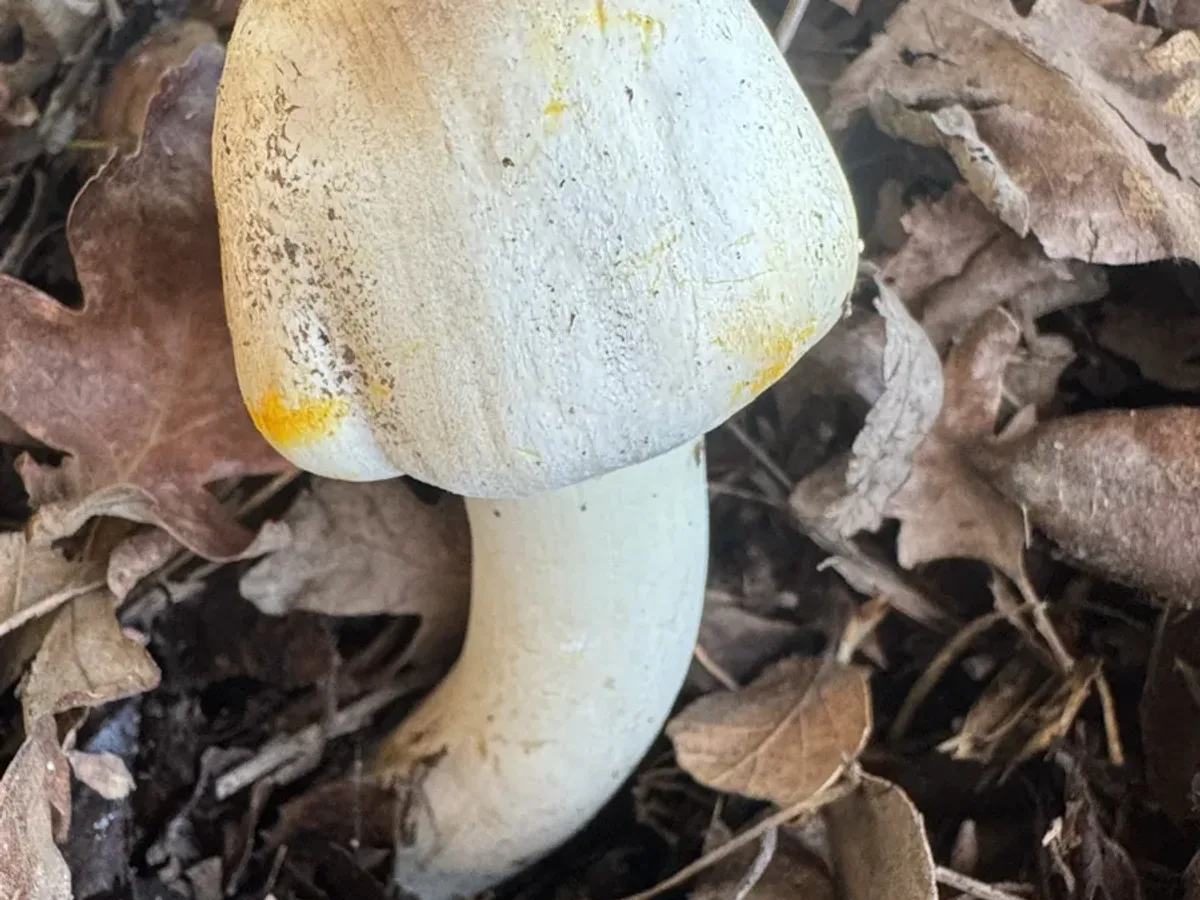
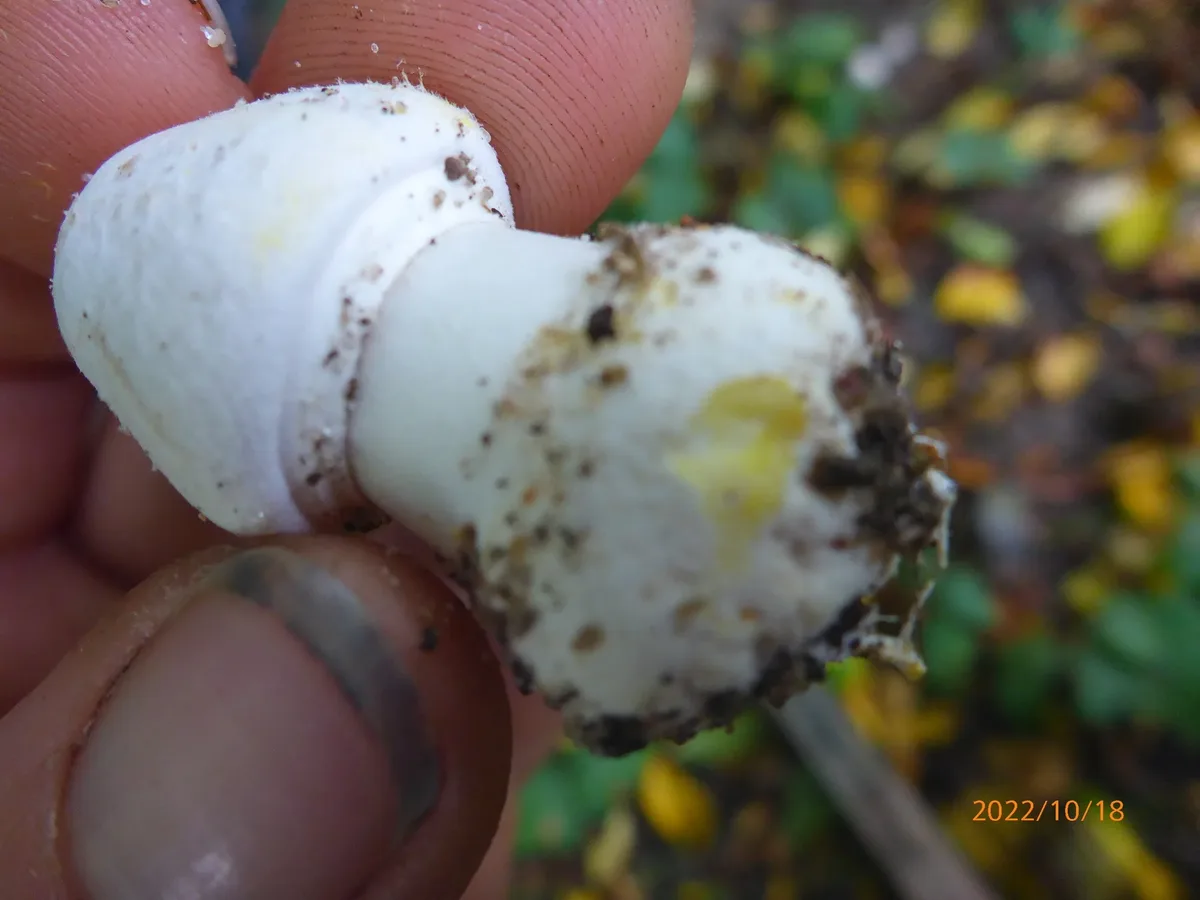
In the button stage, the cap is broadly convex and often conspicuously square-shouldered - the sides drop nearly vertically before rounding into the margin, an angular silhouette unlike the smoothly domed profile of the field mushroom.
As it expands, the cap flattens and the margin may wave slightly.
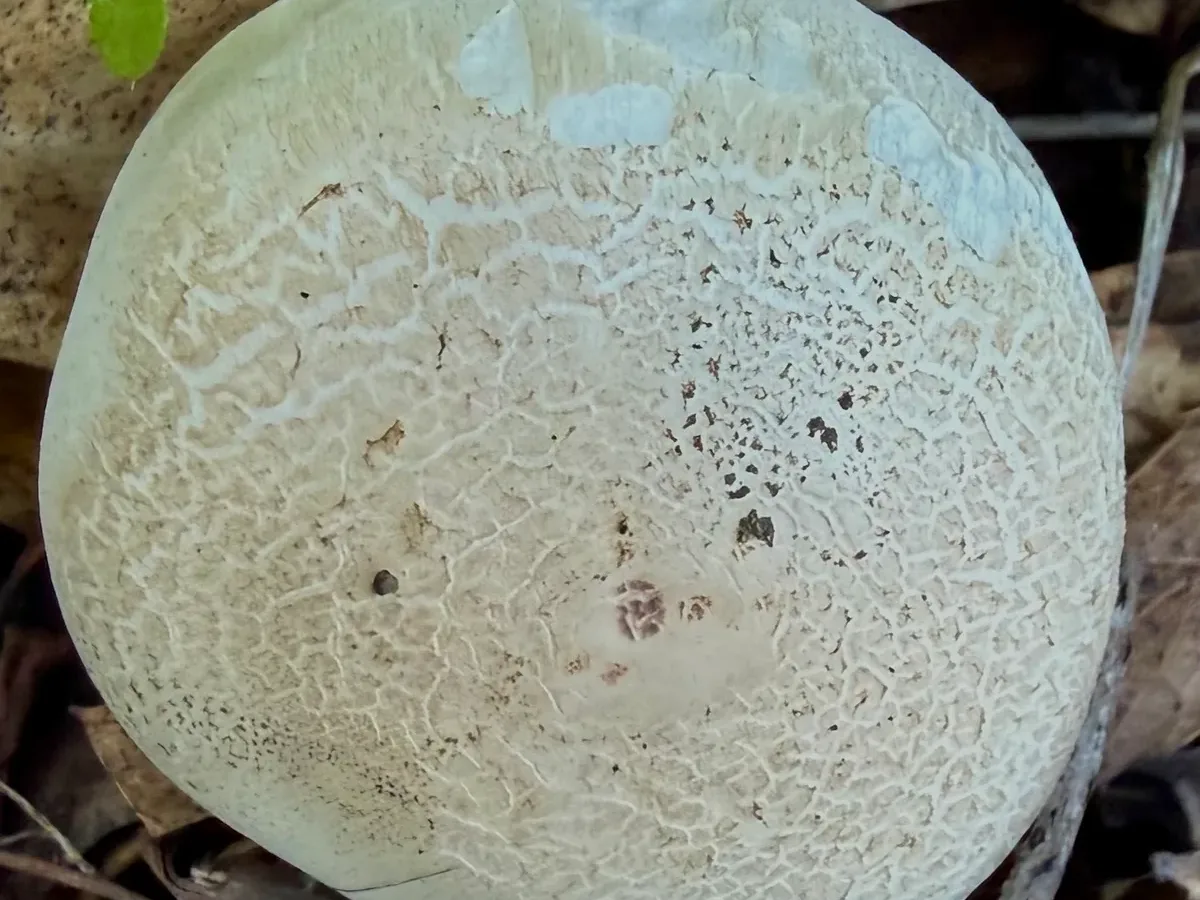
The surface is dry and smooth when young, sometimes breaking into faint fibrous scales toward the center with age, and remains a clean white to pale greyish-white across the whole cap.
Gills
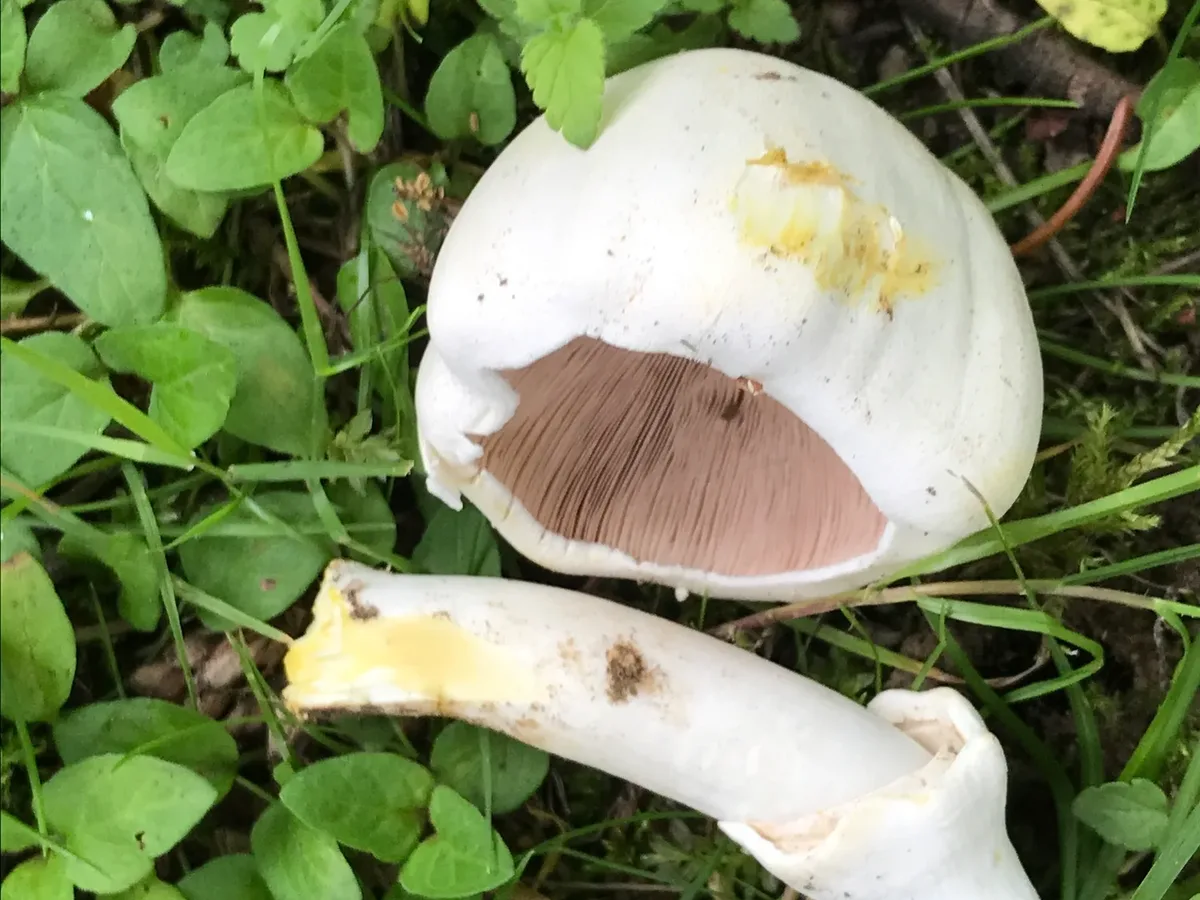
Beneath the cap, the gills are free from the stem and tightly packed. They start white, progress through a pale pink and then a distinctly vivid pink - brighter than the equivalent stage in Agaricus campestris - and finally age to dark purple-brown as the spores mature.
Stem
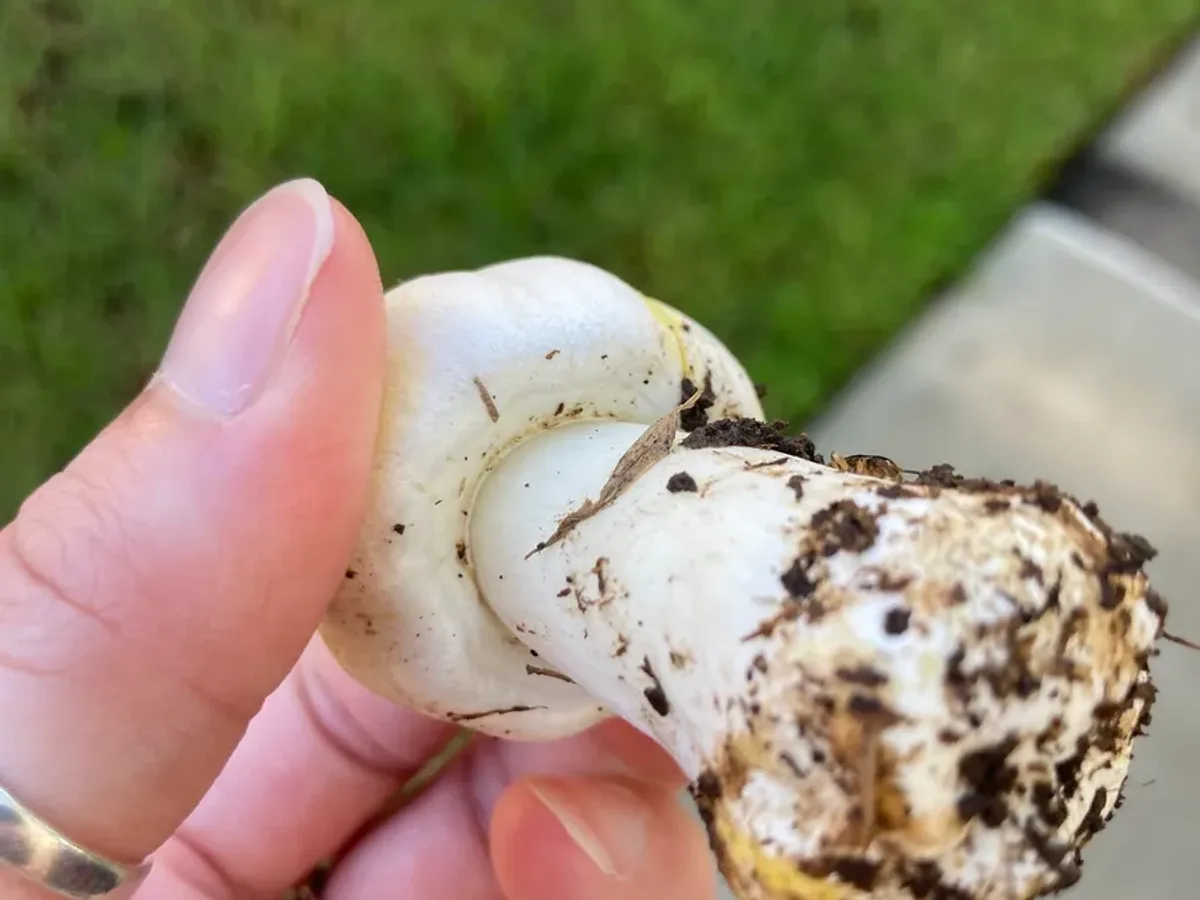
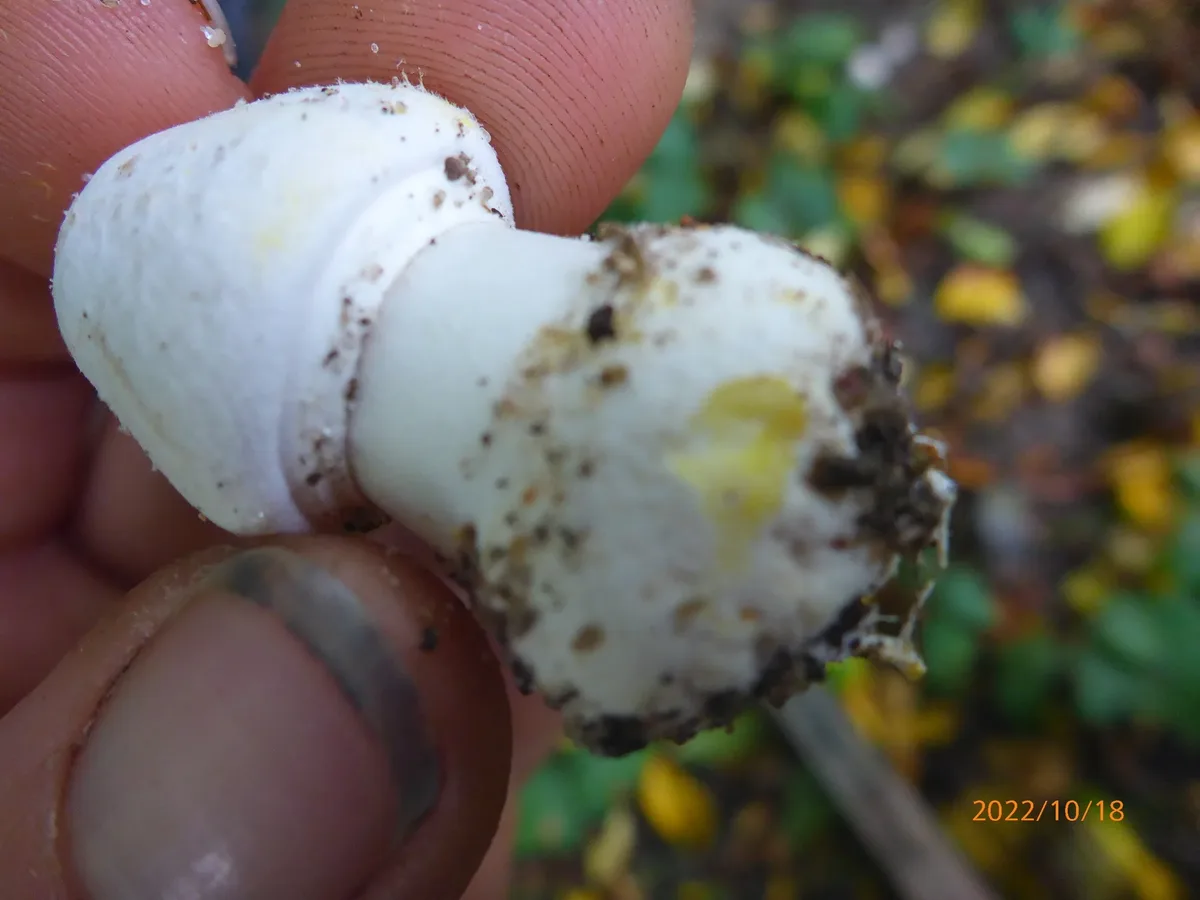
The stem is white, cylindrical, and solid when young, becoming hollow with age; it carries a well-developed, membranous, skirt-like ring in its upper half. The base of the stem often appears to taper or be slightly swollen.
Flesh
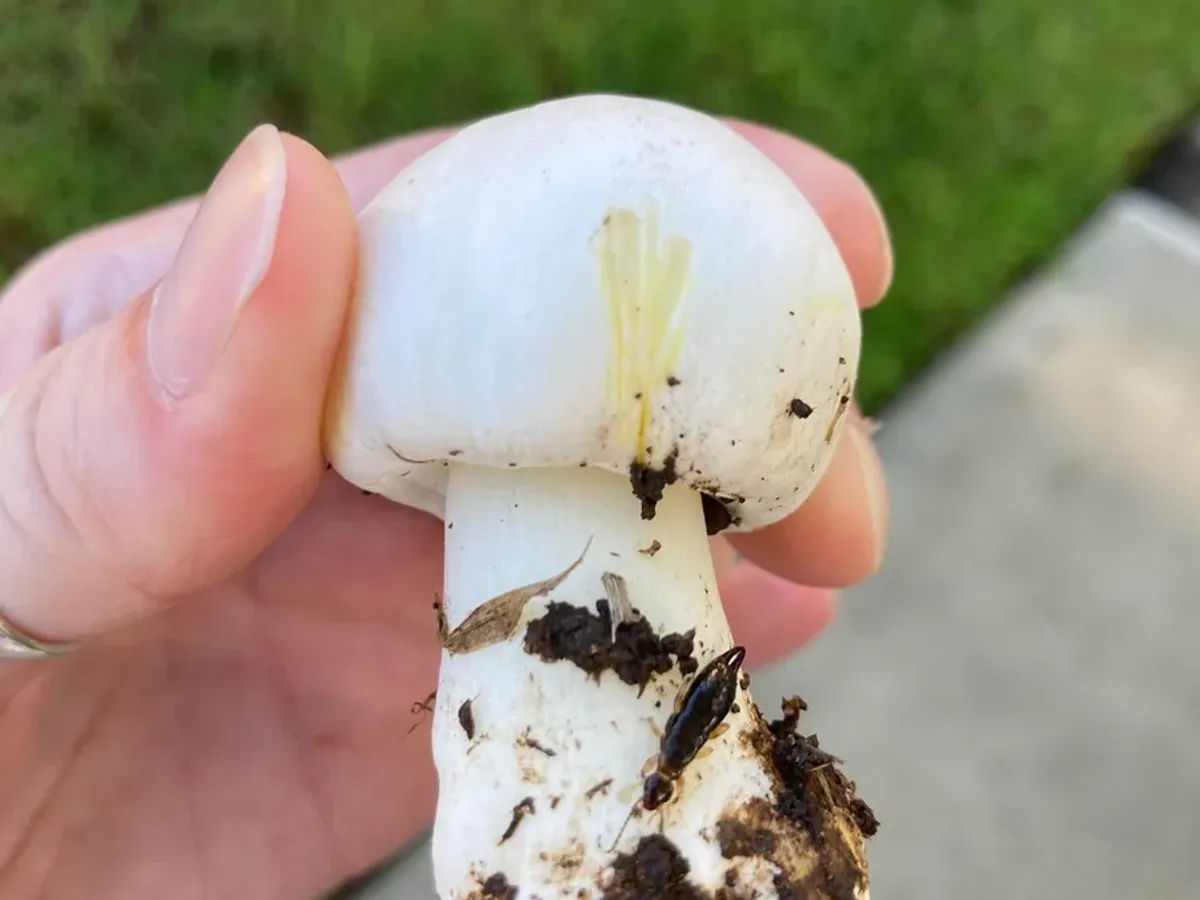
The most important identification character is the instantaneous chrome-yellow color change that appears when the cap surface or, especially, the stem base is scratched, cut, or bruised. This vivid color flashes within seconds and then slowly fades to a dull, dirty brown over several minutes.
Smell
A second unmistakable character is the smell: a sharp, penetrating phenolic odor - inky, faintly chemical, reminiscent of iodine, coal tar, or hospital corridors - that is present even in young, uncut specimens and becomes intensely pronounced when the mushroom is heated.
Why it's dangerous
The yellow stainer is the most commonly ingested poisonous mushroom in Victoria and New South Wales.
The danger is magnified by three factors:
- how closely it resembles edible species in the same genus
- that it grows in exactly the habitats where foragers look for field mushrooms and horse mushrooms
- the variability of individual reactions, which allows some people to consume it without immediate consequence and mistakenly vouch for its safety
Phenol concentrations are higher in the cap skin, in mature specimens, and in wood-chip-associated fruitbodies - meaning that not all encounters with this species produce an equal dose.
The chrome-yellow staining of the cut stem base and the unmistakable phenolic smell are both present in every genuine specimen and together provide a definitive, cost-free field test that should be applied to every white Agaricus before collection.
Toxin
The primary irritants are phenol and its related compounds hydroquinone and catechol, all present in the flesh and concentrated especially in the cap cuticle.
These small aromatic molecules are volatile - they produce the distinctive chemical smell - and are absorbed from the gastrointestinal tract, where they act as direct irritants to the mucosal lining. They are not destroyed by cooking; heat volatilizes and redistributes them but does not neutralize them.
The total phenolic load in any given specimen varies with three factors, which is why toxic doses are inconsistent between encounters:
- the substrate
- the age of the fruitbody
- the part of the fruitbody consumed
The toxin group is classified as a gastrointestinal irritant; no liver damage, kidney failure, or neurological effects are associated with this species.
Symptoms
Onset is rapid: nausea, stomach cramps, vomiting, and diarrhea typically begin 30 minutes to 2 hours after ingestion, distinguishing this poisoning from delayed-onset syndromes such as Amanita phalloides toxicity. Associated symptoms include dizziness and profuse sweating.
The illness is self-limiting in most cases - symptoms resolve within several hours once the irritant is expelled - and deaths have not been reported from A. xanthodermus alone.
However, the experience can be severe, particularly in children, elderly people, or anyone who has consumed a large quantity or a high-phenol specimen.
Medical assessment is advisable for any suspected ingestion, both to confirm the diagnosis and to rule out co-ingestion of a more dangerous species.
Staying safe
Do not eat. This species is responsible for more mushroom poisonings in Victoria and New South Wales than any other single species.
Toxicity is variable: some individuals tolerate small quantities and experience no reaction, while others vomit within thirty minutes of consuming a modest amount. This individual variation does not make the species safe - it makes it unreliable and unpredictable.
Phenol concentrations are highest in the cap skin, in mature specimens, and in mushrooms fruiting from wood-chip mulch rather than open turf; a specimen that appears young and small may still carry a clinically significant phenol load.
Because the yellow staining reaction is the single most reliable differentiating character and is present in every genuine specimen, there is no reason to ever need to taste the mushroom: the cut stem base test is decisive and instantaneous.
Never rely on a companion's past experience of tolerating this species as evidence that it is safe for you.
Where & when it grows
Habitat
Yellow stainer is an introduced saprotrophic species that has naturalised widely across temperate Australia and New Zealand.
It favors disturbed, nutrient-rich soils with high organic matter content and appears most reliably in urban and peri-urban environments:
- lawns
- parks
- school ovals
- nature strips
- roadsides
- compost-enriched garden beds
- wood-chip mulch around ornamental plantings
The deep organic load of composted mulch appears to concentrate the phenolic compounds in the fruitbodies, producing specimens with higher toxin levels than those growing on open turf.
Unlike the native puffballs and native Agaricus species that occupy undisturbed grasslands and woodland edges, A. xanthodermus is essentially a creature of modified, human-maintained ground.
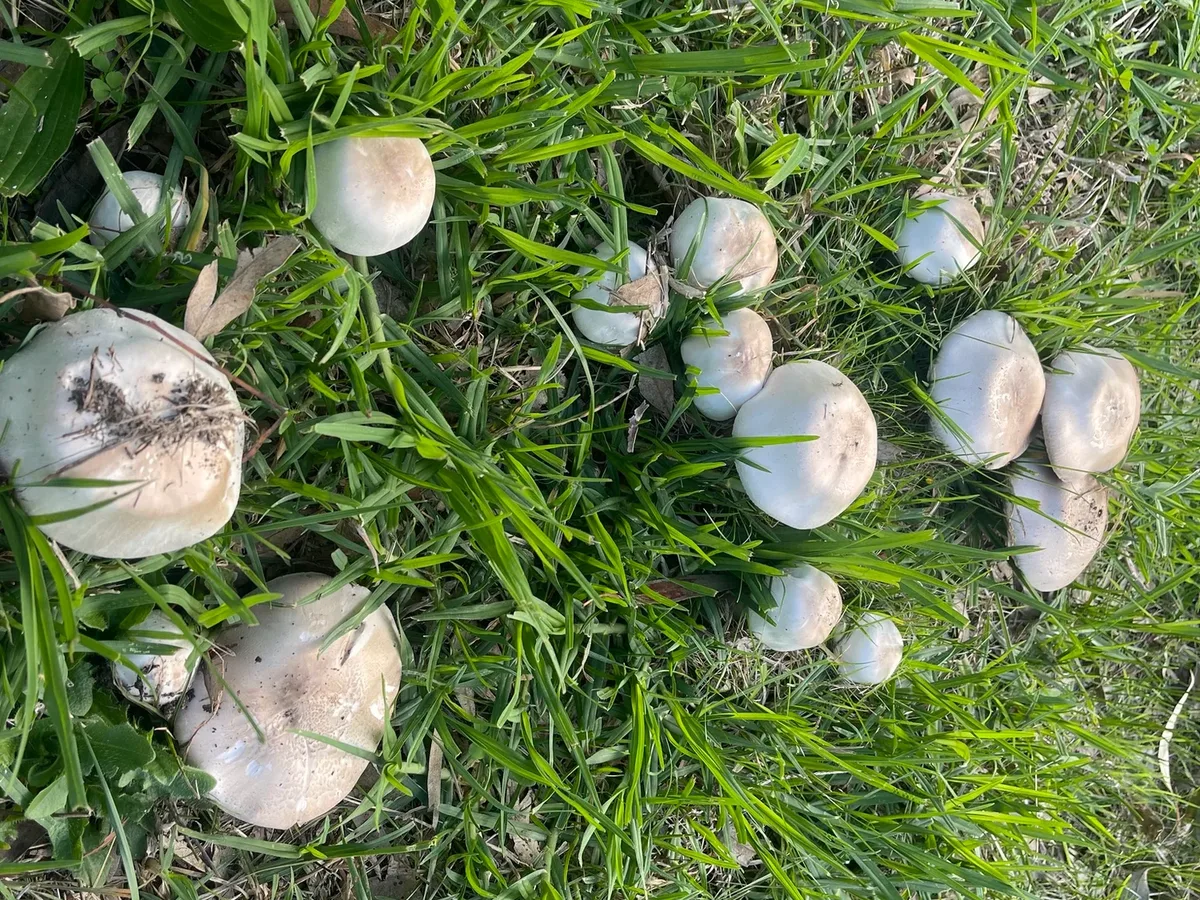
It commonly fruits in clusters, arcs, or partial rings - traces of the radially expanding mycelium beneath - rather than as isolated single specimens, a habit that makes it visually appealing and, to the untrained eye, seemingly abundant and harvestable.
It does not form mycorrhizal associations with any tree, drawing all its nutrition from the breakdown of dead plant material in the soil.
When
Fruiting runs from late spring through autumn, broadly from November to May across most of temperate Australia; in the season notation used here that corresponds to months 6-11 in the Southern Hemisphere calendar.
Peak fruiting is tied to warm-season rainfall events: a flush of 15 mm or more of rain on warm soil (roughly 10-22 °C at depth) can trigger emergence within five to fourteen days.
In practice, fruitbodies push through turf throughout summer after rain events and continue into the cooler, wetter early autumn. In coastal districts of New South Wales and Victoria, populations may fruit in any mild, moist month.
Wood-chip mulch beds often sustain more prolonged and heavier fruiting than open lawn, because the substrate retains moisture and maintains consistent temperatures.
Fruitbodies grow and expand quickly - in warm, humid weather, a pin that pushes through the soil surface can reach full size within 24 to 48 hours - and they collapse or dry out rapidly once the weather dries or temperatures drop.
How it grows
Agaricus xanthodermus is a saprotrophic species: its mycelium threads through dead organic material in soil - decaying grass roots, leaf litter, wood chips, compost - digesting cellulose and lignin and cycling nutrients back into the ecosystem.
There is no mycorrhizal partnership here, no ancient alliance with a tree; the fungus is entirely self-sufficient as a decomposer.
Underground, the mycelium expands outward from a central point as a diffuse, ring-shaped front, exhausting the organic matter at the center and advancing toward fresh substrate at the edge. It is this radial growth pattern that produces the fairy rings and arcs visible at the surface.
When temperature and moisture conditions align after rain, the mycelium knits together into primordia - tiny pins - that swell and push upward through the soil with considerable force.
The fruitbody develops rapidly, its cells inflating with water rather than undergoing extensive new cell division; most of the machinery for building a fruitbody was already assembled in the mycelium.
This strategy allows the mushroom to emerge, release its spores, and collapse within a matter of days, spending the dry or cold months as invisible mycelium rather than as a visible structure.
Fruiting conditions
Saprotrophic grassland/garden mushroom; flushes follow warm-season rain on lawns and disturbed ground.
Look-alikes
Three edible Agaricus species account for most confusion events with yellow stainer.
- Field mushroom (Agaricus campestris) - the most commonly confused: roughly the same size and color, shares the white-to-pink-to-brown gill progression, and grows in similar open grassy habitats. The diagnostic separation is the cut stem base - A. campestris does not stain chrome-yellow - and the smell, which is pleasant and earthy, never phenolic.
- Horse mushroom (Agaricus arvensis) - grows slightly larger and also white, but the cut stem base does not flash chrome-yellow and the smell is distinctly anise-like.
- Cultivated button mushroom (Agaricus bisporus) - encountered at farms, pick-your-own operations, or occasionally naturalised near compost piles; has neither the chrome-yellow staining nor any phenolic smell.
A fourth species that shares the yellow-staining character is Agaricus moelleri (also known as A. placomyces): this is likewise poisonous, likewise phenolic-smelling, and likewise stains chrome-yellow. Foragers familiar with A. xanthodermus will find A. moelleri behaves identically on the standard tests, so both species are excluded by the same protocol.
The critical rule is: the chrome-yellow staining test and the phenol smell are required to be absent together before any white Agaricus from a lawn or park is considered safe.
Similar phenol-staining poisonous Agaricus (also known as A. placomyces); likewise stains yellow and smells phenolic.
Edible. No phenolic smell and no chrome-yellow staining of the cut stem base.
Edible. Has a pleasant smell and no chrome-yellow staining; cut the stem base - the field mushroom does not flash chrome-yellow.
Edible. Smells pleasantly of anise rather than phenol; the cut stem base does not turn an immediate chrome-yellow.
A reference guide - never an edibility guarantee. When in doubt, leave it out.