Inky Mushroom
Agaricus moellerisyn. Agaricus praeclaresquamosus, Agaricus meleagris, Psalliota praeclaresquamosa
 © victor laborde (CC BY)
 © Viktor Strenada (CC BY)
 © Viktor Strenada (CC BY)
 © Saryu Mae 前 朝琉 (CC BY)
 © Saryu Mae 前 朝琉 (CC BY)
 © Julien Lepage (CC BY)
 © victor laborde (CC BY)
 © victor laborde (CC BY)
 © victor laborde (CC BY)© victor laborde (CC BY)© Viktor Strenada (CC BY)
Edible only with the right preparation - or safe for some people but not others. Learn the caveats first.
Never eat a mushroom you are not 100% sure of - check the look-alikes below, and always cook wild mushrooms.
How to recognise it
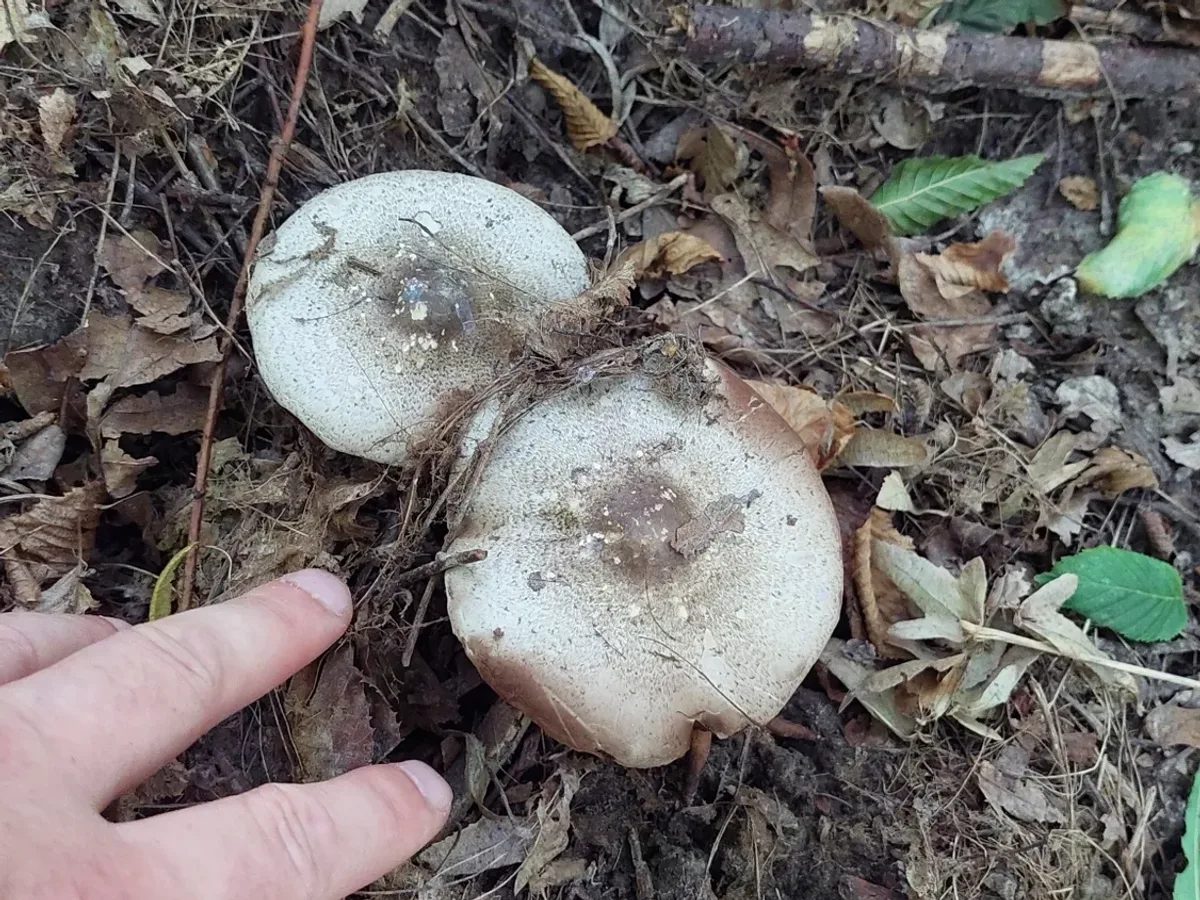
Agaricus moelleri is distinguished from most other white Agaricus species by the dark, fibrous scaling that covers its cap - a character that gives it a distinctly 'mousy' or mottled look even at a distance.
Cap
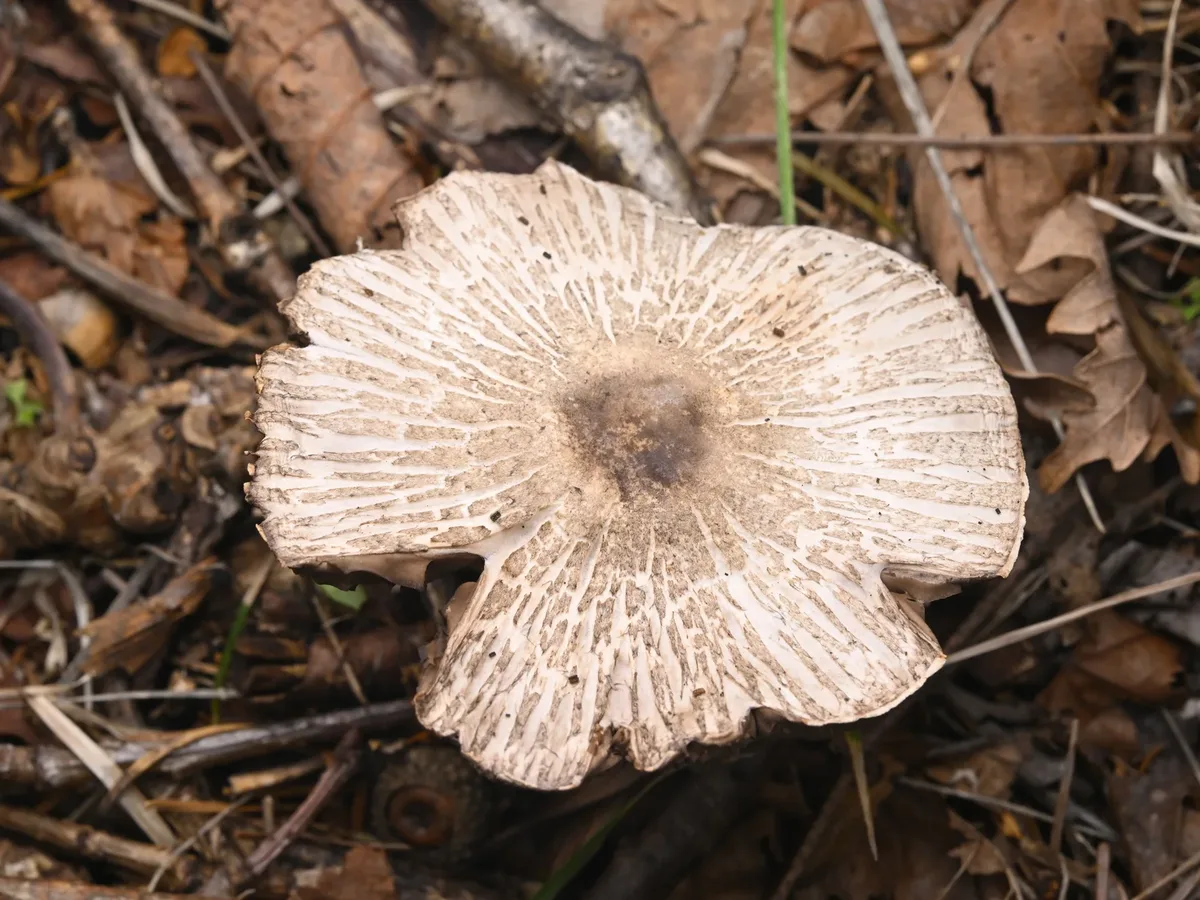
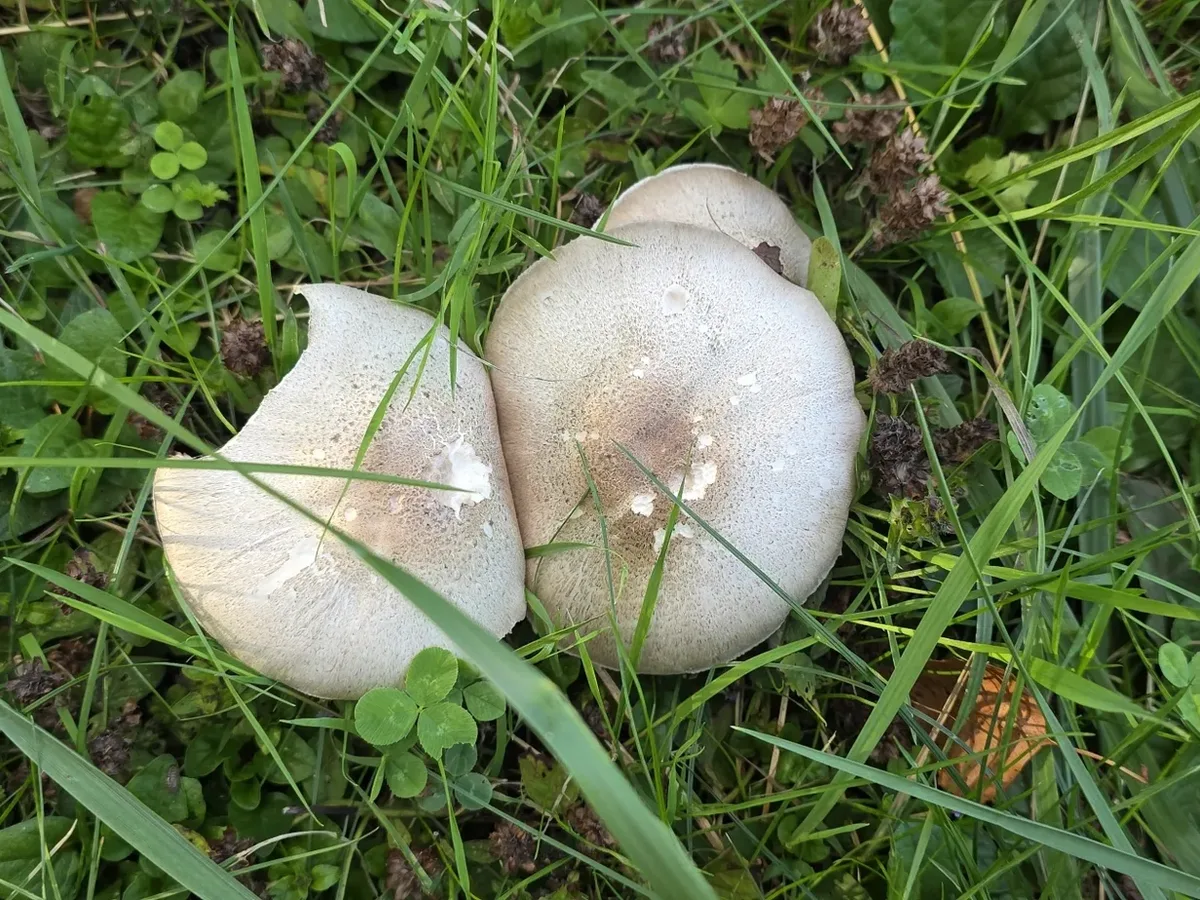
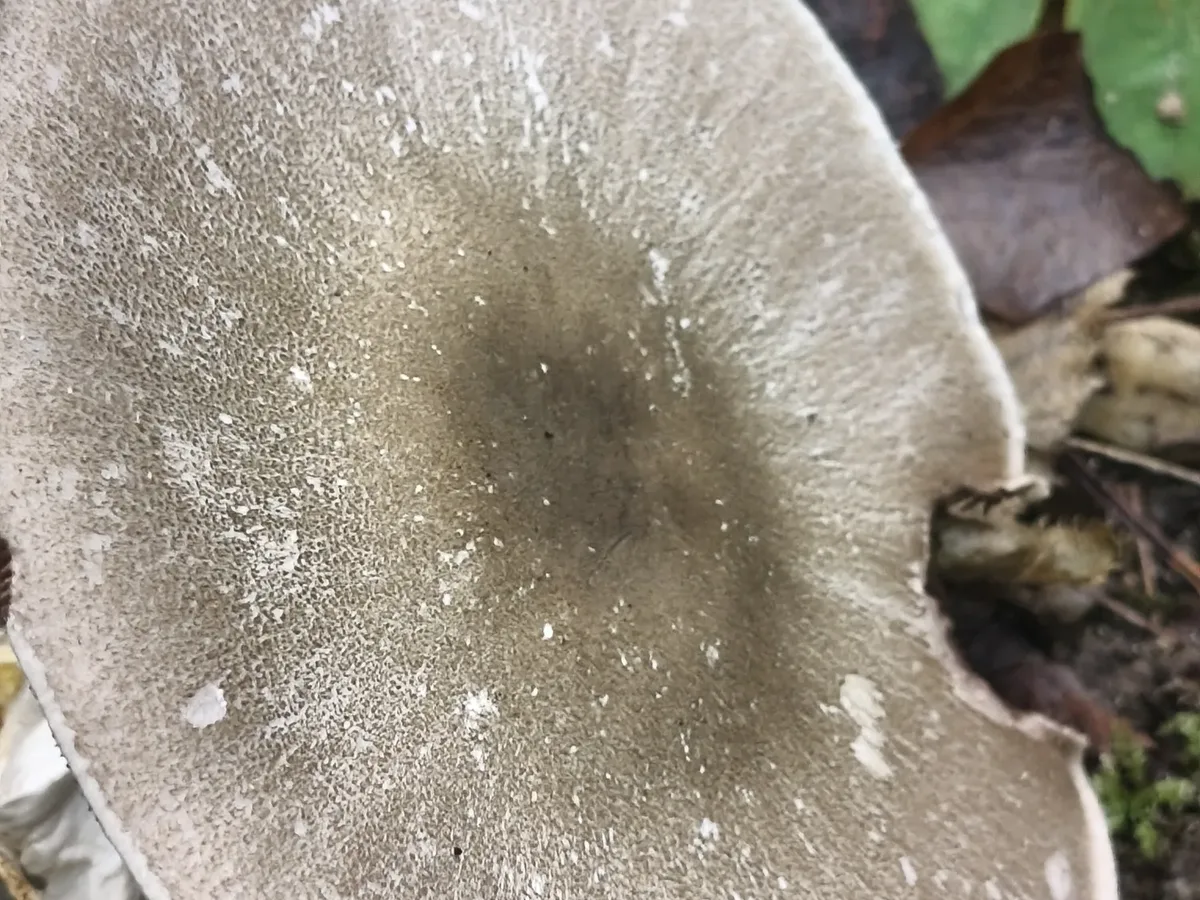
The cap begins broadly domed and flattens with age, reaching 5-12 cm across. Its surface is pale greyish-white or buff but blanketed with concentrically or radially arranged grey-brown to dark sooty scales and fibrils, densest at the flat-topped centre and thinning toward the margin.
This dark scaling means it does not look like a clean white field mushroom at a glance, which is one reason it can be overlooked as 'just a boring scaly mushroom' - yet it is frequently picked by foragers who recognise only that it is an Agaricus.
Gills / Pores
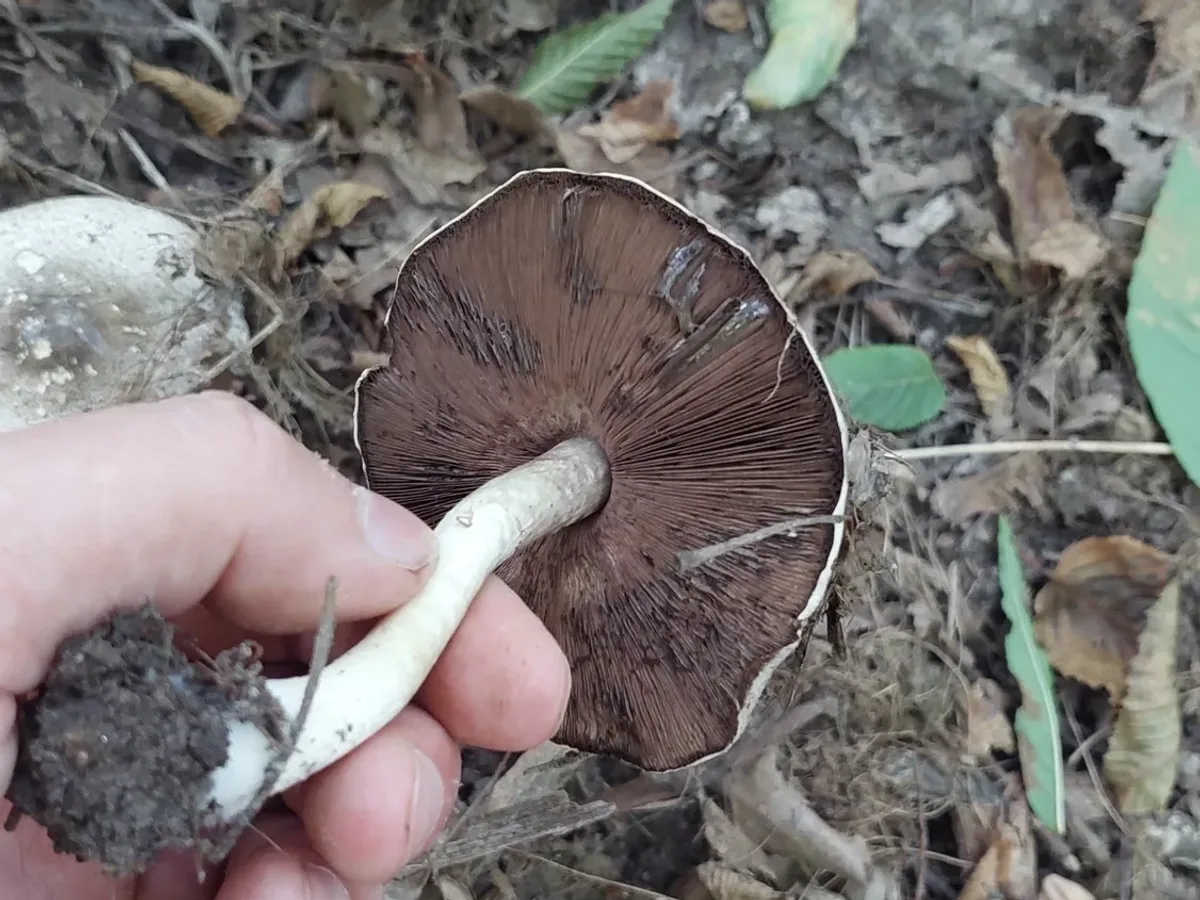
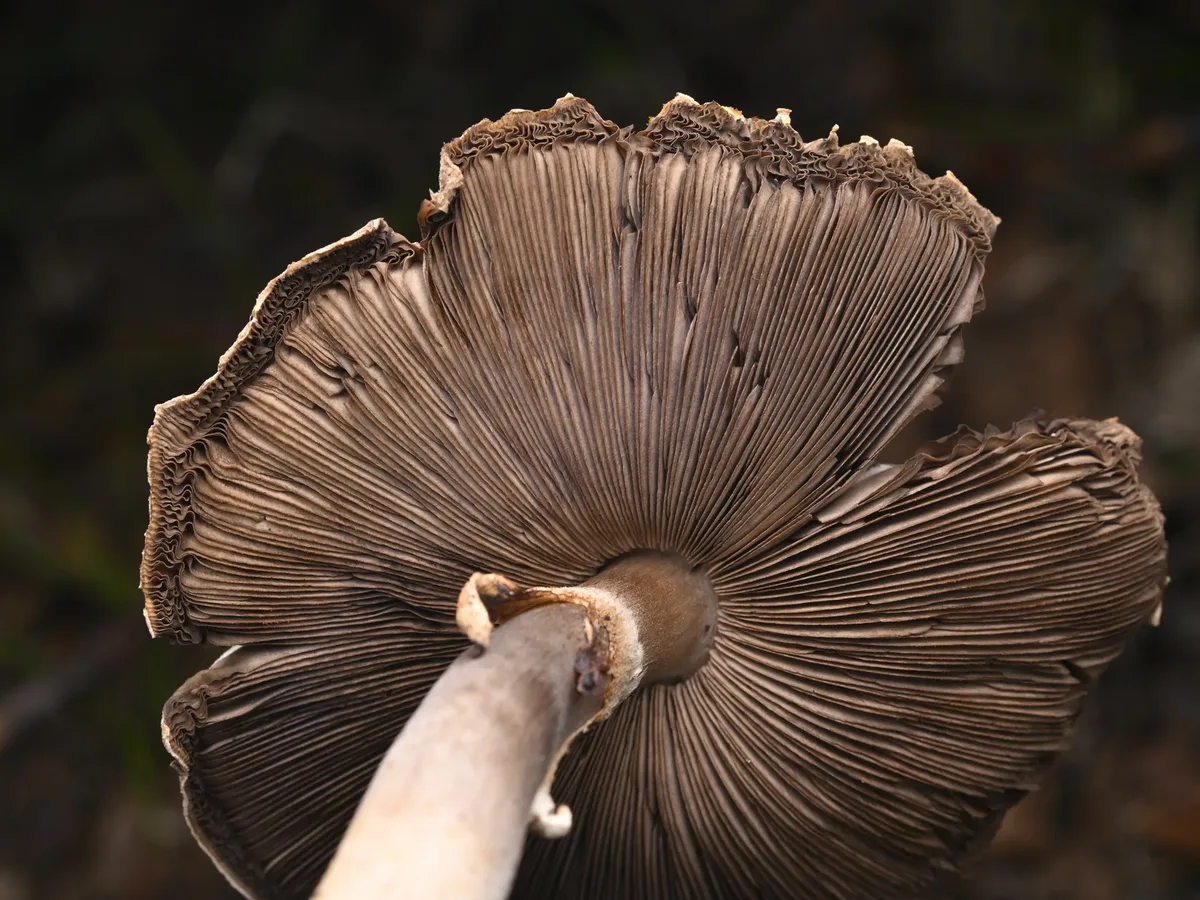
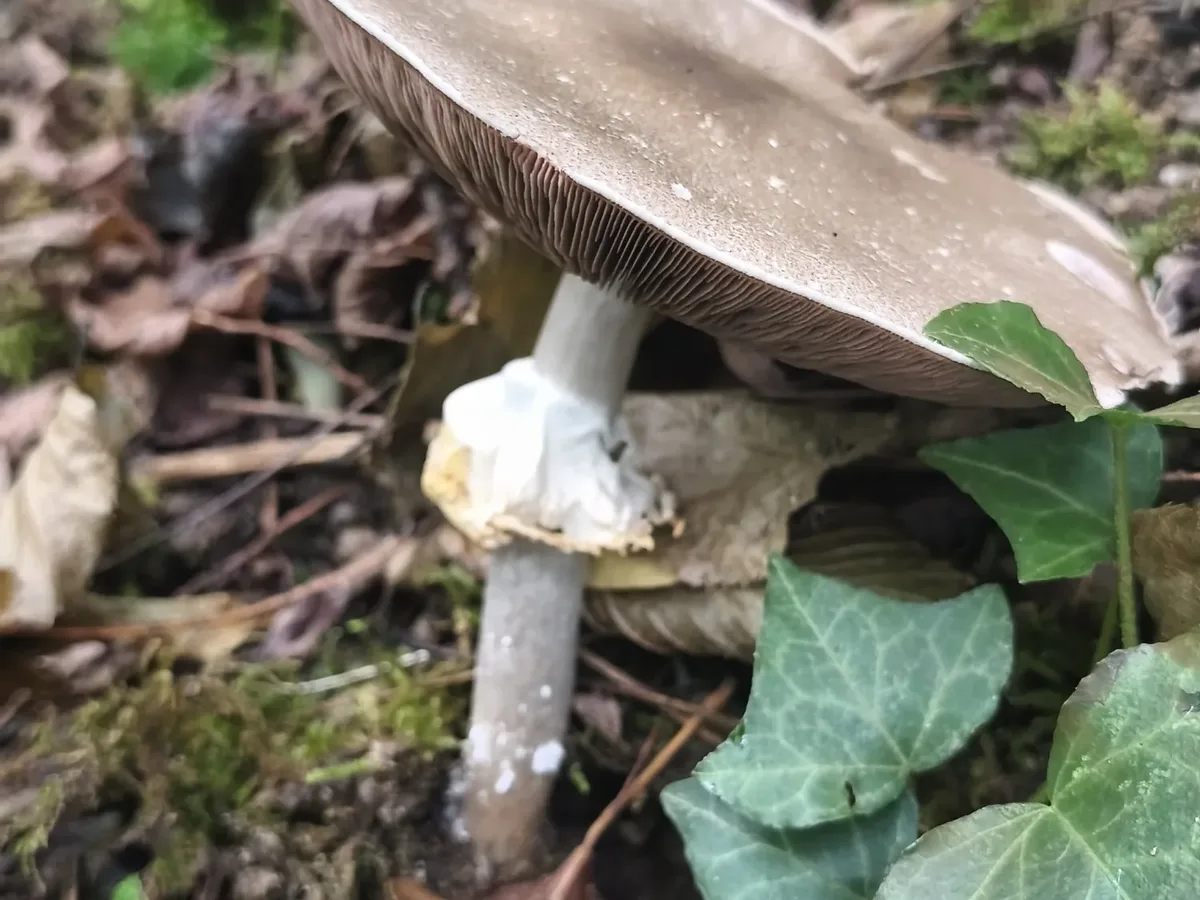
The gills follow the normal Agaricus progression: pink in young specimens, deepening to brown and chocolate-brown as spores mature.
Stem
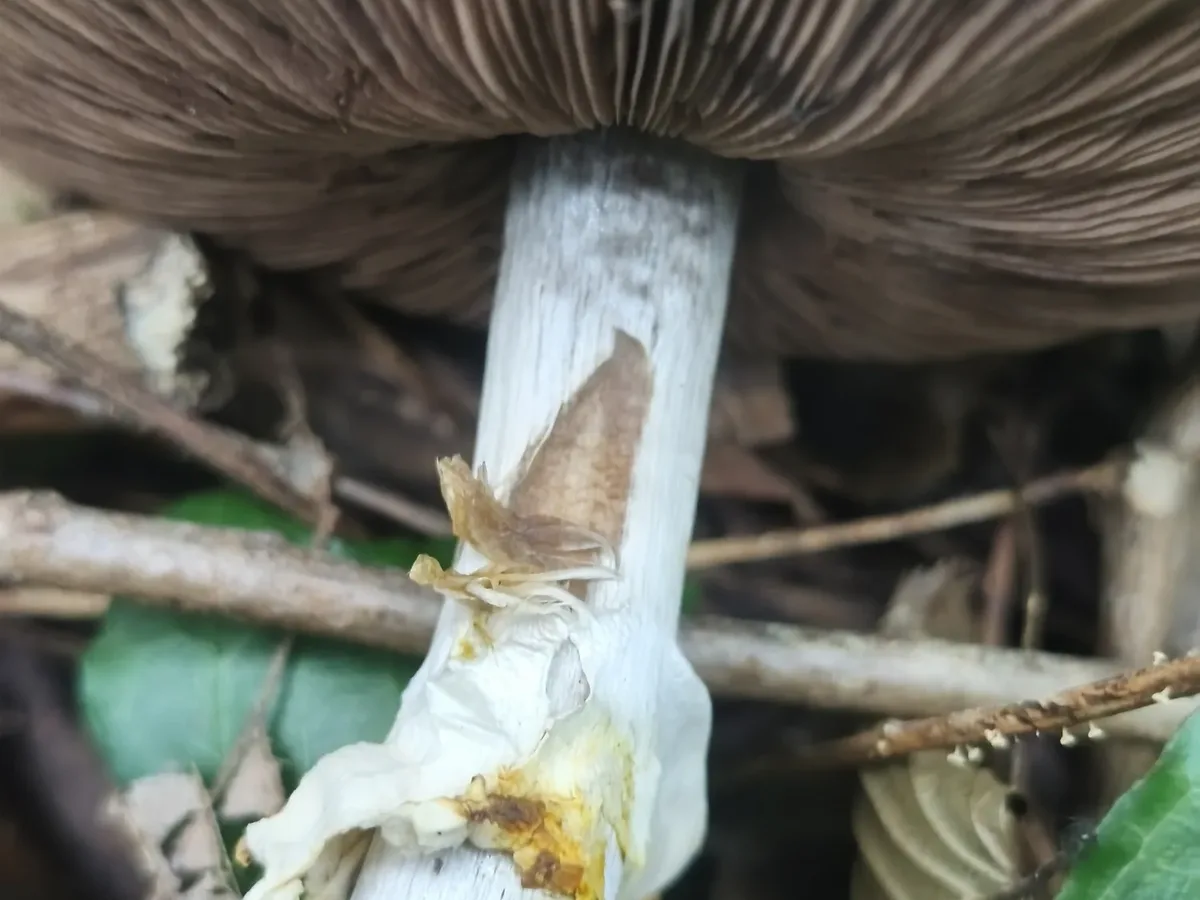
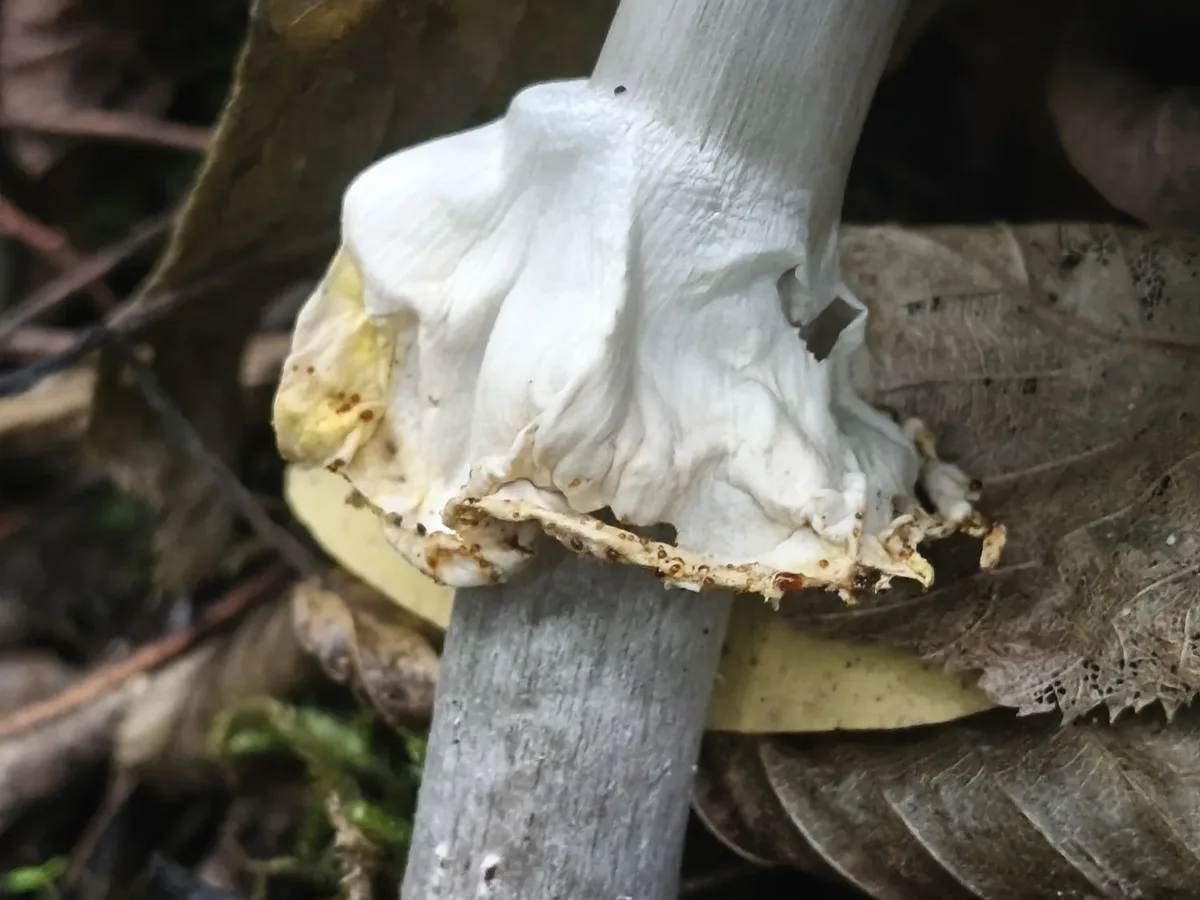
The stem is white, cylindrical, and carries a single, firm, skirt-like ring.
Smell & taste
The two decisive diagnostic features - present in every genuine specimen - are the staining reaction and the smell.
Cut the cap margin or, especially, the stem base and watch the exposed flesh for 15-30 seconds: it will flush a vivid chrome-yellow within seconds, a reaction driven by the phenolic compounds in the tissue.
Simultaneously, raw specimens emit a clearly phenolic smell - inky, chemical, reminiscent of coal tar or hospital disinfectant - that intensifies dramatically if the mushroom is heated.
These two characters together make misidentification with edible Agaricus species extremely unlikely once a forager knows what to look and smell for.
Why it's dangerous
The direct toxicity of Agaricus moelleri, while unpleasant, is not life-threatening in most cases.
The more serious danger in Australia and New Zealand is the risk of confusion: it fruits in exactly the same urban gardens and parks where the deadly Amanita phalloides (Death Cap) also grows near introduced oak, birch, and pine trees.
A forager who picks a basket of 'mixed Agaricus' from a suburban park and does not perform the cut-and-smell test may inadvertently include a Death Cap button among otherwise non-lethal species.
Because A. phalloides poisoning is delayed - victims feel well for the first 6-24 hours before entering acute liver failure - any identification error in this habitat is potentially fatal.
This context makes the cut-and-smell test for A. moelleri not merely a matter of avoiding stomach upset, but a critical habit that protects against a far deadlier co-resident of the same environment.
Toxin
The toxic principle is a suite of phenolic compounds - principally phenol, p-cresol (4-methylphenol), and related catechols - concentrated in the flesh and especially in the cap cuticle.
These volatile aromatic molecules are directly irritating to the gastrointestinal mucosa and are responsible for both the characteristic chemical smell and the toxicity.
They are not destroyed by heat; cooking volatilizes and redistributes them, and the smell intensifies markedly when the mushroom is fried or boiled.
The chrome-yellow staining reaction seen when the flesh is cut is caused by the oxidation of these phenolic compounds on exposure to air and enzymes in the tissue.
Total phenol content varies with:
- fruitbody age
- habitat substrate (higher in wood-chip fruiting)
- the part consumed (highest in the cap skin)
Symptoms
Onset is typically rapid: nausea, abdominal cramping, vomiting, and diarrhoea usually begin 30 minutes to 2 hours after ingestion.
Profuse sweating and dizziness may accompany gastrointestinal symptoms.
The illness is self-limiting in most healthy adults - symptoms resolve within several hours once the irritant is expelled - and no deaths attributable solely to A. moelleri have been recorded.
However, the experience can be severe, particularly in children, elderly individuals, or anyone who has consumed a large quantity or a high-phenol specimen from wood-chip substrate.
Seek medical assessment for any suspected ingestion, both to confirm the diagnosis and to rule out the far more dangerous possibility of co-ingested Amanita phalloides, whose symptoms are delayed 6-24 hours and represent a life-threatening emergency.
Staying safe
Do not eat. This species causes gastrointestinal poisoning - nausea, vomiting, stomach cramps, and diarrhoea - beginning within 30 minutes to 2 hours of ingestion.
Individual reactions vary: some people tolerate modest amounts without obvious symptoms, which creates a false impression of safety, but this variability reflects differences in individual sensitivity and dose, not any true safety margin.
The chrome-yellow staining of the cut stem base and the phenolic smell are both present in every genuine specimen and together constitute a definitive field test that costs nothing and takes thirty seconds.
Wood-chip-associated fruitbodies tend to carry higher phenolic loads than those from open turf.
Phenolic compounds are not destroyed by cooking; they are volatilized and their gut-irritant effect may be concentrated rather than reduced.
Beyond the direct toxicity, there is a critically important risk of confusion with deadly Amanita species at the white button stage: any button-stage white mushroom that cannot be positively identified to species - including full base inspection to rule out a volva - must be discarded.
The death cap (Amanita phalloides) causes fatal liver failure with a delayed onset of 6-24 hours and has killed people in Australia; it can fruit near the same ornamental trees as A. moelleri in suburban gardens.
Where & when it grows
Habitat
In Australia and New Zealand this is fundamentally an urban and suburban species.
It was introduced from Europe and has naturalised wherever its preferred conditions exist:
- maintained lawns in parks and gardens
- road verges
- playing fields
- wood-chip mulch under ornamental plantings
- garden beds enriched with compost
It shows a particularly strong association with exotic ornamental trees - conifers, ornamental pines, and introduced broadleaves - though it does not form mycorrhizal partnerships with them; it exploits the organic matter that accumulates in their root zones and in the amended soils of managed gardens.
In Victoria and New South Wales it is frequently found fruiting in suburban lawns and inner-city parks from late summer into winter.
This urban ecology means it appears exactly where inexperienced foragers are most likely to be looking for field mushrooms to pick.
When
In Australia and New Zealand, Agaricus moelleri follows the cool-moist-season fruiting pattern characteristic of most Agaricus species in the Southern Hemisphere.
The main fruiting period runs from autumn through early winter, broadly March to July, peaking in April to June when soils are moist from autumn rains but still retain residual summer warmth.
Individual flushes follow rainfall events by roughly five to fourteen days.
In its native European range the timing shifts to summer and autumn (July-November), peaking in August-October.
Fruitbodies develop quickly under warm, moist conditions and deteriorate rapidly once the weather dries or turns cold.
How it grows
Like all Agaricus species in urban habitats, Agaricus moelleri is saprotrophic - it feeds on dead organic matter in soil, decomposing grass roots, leaf litter, wood chips, and compost, rather than forming partnerships with tree roots.
The mycelium spreads diffusely through the soil and may persist for years in a suitable site, fruiting repeatedly in roughly the same location.
When sufficient moisture follows a period of adequate soil warmth, the mycelium knits together into primordia that push upward through the substrate.
The fruitbody inflates quickly and is short-lived; the whole visible mushroom may emerge, shed spores, and collapse within a week.
In wood-chip mulch the substrate both retains moisture and tends to concentrate phenolic compounds in the fruitbody, producing specimens with higher phenol loads than those fruiting from open turf.
Fruiting conditions
Saprotrophic grassland and urban-garden species; fruiting follows warm-season rainfall on organic-rich soils. In Australia and New Zealand peaks in autumn (April-June in the Southern Hemisphere). Wood-chip mulch beds sustain heavier, more prolonged fruiting than open turf.
Look-alikes
Several edible Agaricus species share its urban and suburban habitat and cause confusion:
- The field mushroom (Agaricus campestris) grows in open pasture but appears in lawns; it lacks both the chrome-yellow staining and the phenolic smell, has a pleasant earthy smell, and its cap surface is smooth to only faintly scaly without dark fibrils.
- The horse mushroom (Agaricus arvensis) is larger, with a smooth white cap, a pleasant aniseed smell, and a distinctive cogwheel-patterned double ring on the underside; its flesh may yellow faintly and slowly, but never the instant vivid flash of A. moelleri.
- The cultivated button mushroom (Agaricus bisporus) has no staining or phenolic smell.
- Agaricus xanthodermus (yellow stainer) is the most similar poisonous species - it also stains chrome-yellow and smells phenolic - but its cap is smooth and plain white rather than dark-scaled.
Both A. moelleri and A. xanthodermus are excluded by the same cut-and-smell protocol.
Most critically, pure-white buttons of Agaricus moelleri can superficially resemble deadly Amanita species at the very youngest stage. Amanita phalloides (Death Cap) and Amanita virosa (Destroying Angel) have gills that REMAIN WHITE at all stages, a white spore print, and a cup-like volva (sac) at the stem base - characters never present in any Agaricus.
Always dig up white buttons fully and check for a volva.
DEADLY. As a white or pale button, can be confused with a young A. moelleri before the dark scaling develops. Gills REMAIN PERMANENTLY WHITE at all stages - never pink or brown. Has a cup-like volva (sac) at the stem base, easily buried; always dig up the entire base to check. White spore print. A single ring, not a double one. No chrome-yellow staining and no phenolic smell - but do not rely on smell alone in a button; always check for a volva. The Death Cap has killed foragers in Australia and must be excluded from any collection made in suburban parks and gardens.
DEADLY. Entirely white including gills, which stay pure white at every growth stage. Has a prominent membranous volva (sac) at the stem base. Single ring only. No chrome-yellow staining. Any all-white button from a garden or park must have the full base dug up and inspected for a volva before any other assessment.
Edible. Smooth, white to pale brown cap; no chrome-yellow staining; no phenolic smell. Unlikely to be confused once the cut test is applied.
Edible. Has a smooth, white cap without dark fibrous scales; no chrome-yellow staining of the cut flesh; pleasant earthy smell (not phenolic). Prefers open, grazed pasture rather than urban gardens.
Edible. Smooth, white cap; a large double ring with a cogwheel underside pattern; pleasant aniseed smell. The flesh may yelllow faintly and slowly in some specimens, but never the instant vivid chrome-yellow of A. moelleri. No dark cap scaling.
Poisonous; causes similar gastrointestinal illness. The most similar poisonous species. Distinguished from A. moelleri by its smooth, clean white cap without the dark fibrous scales. Both species stain chrome-yellow when cut and smell strongly phenolic - the same cut-and-smell protocol excludes both.
A reference guide - never an edibility guarantee. When in doubt, leave it out.